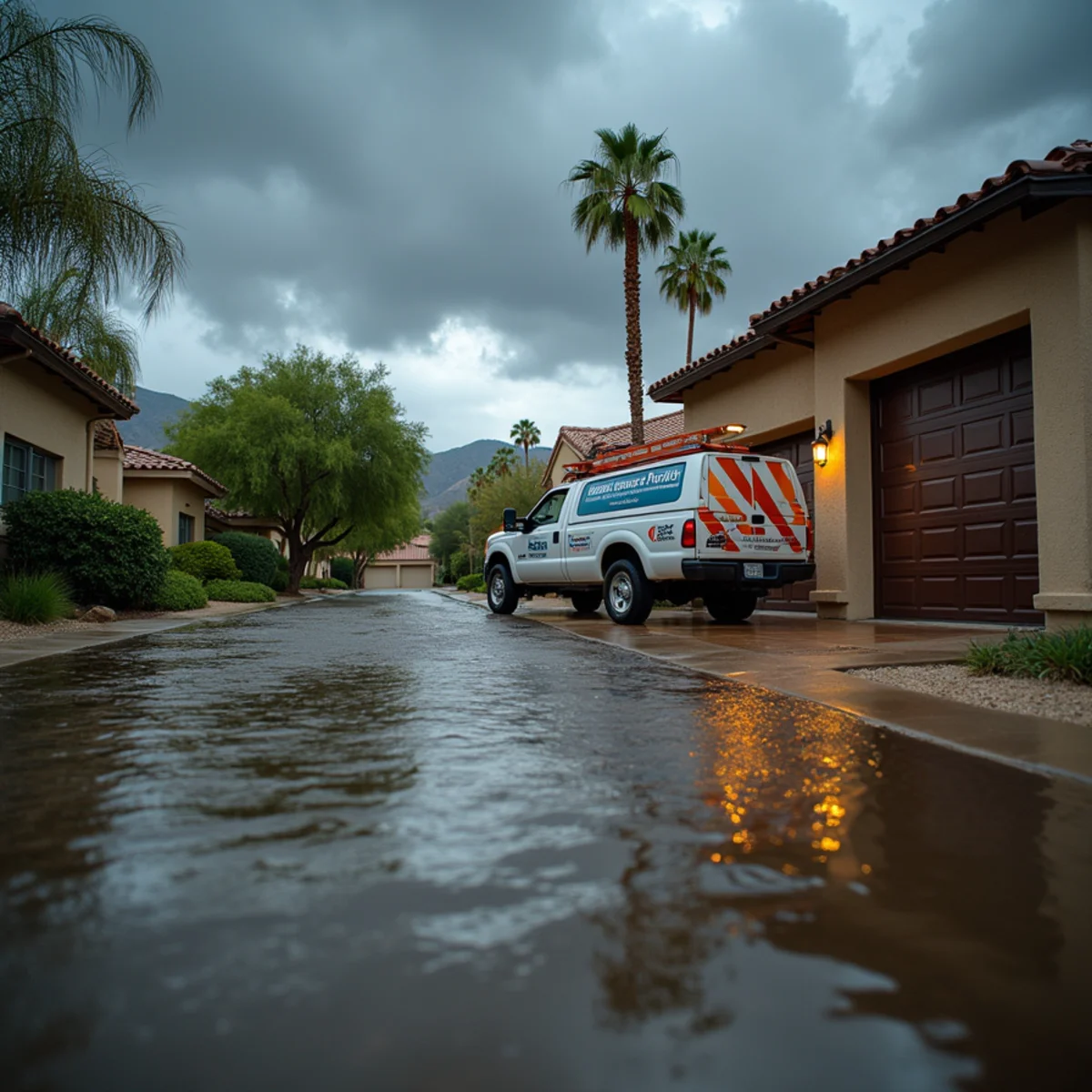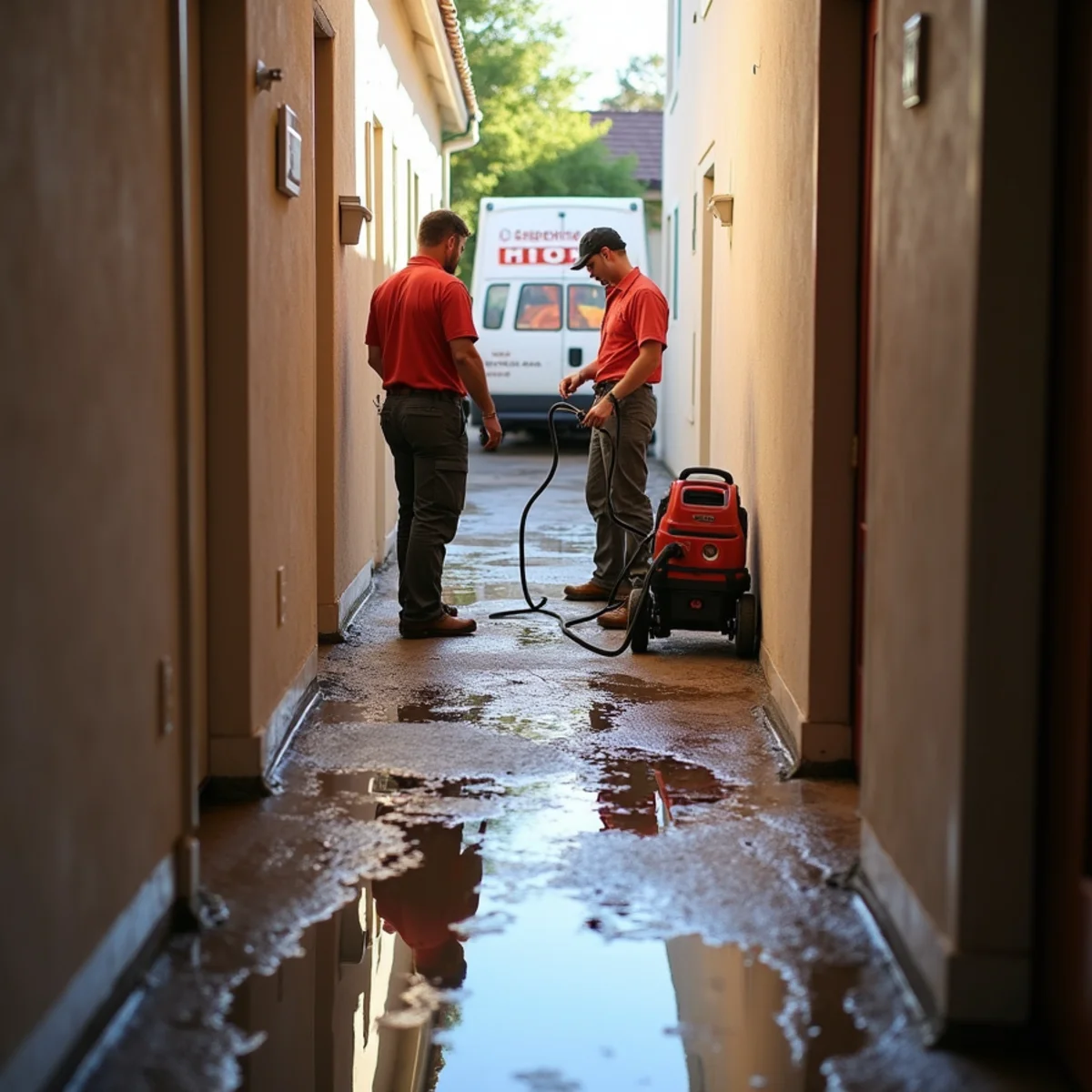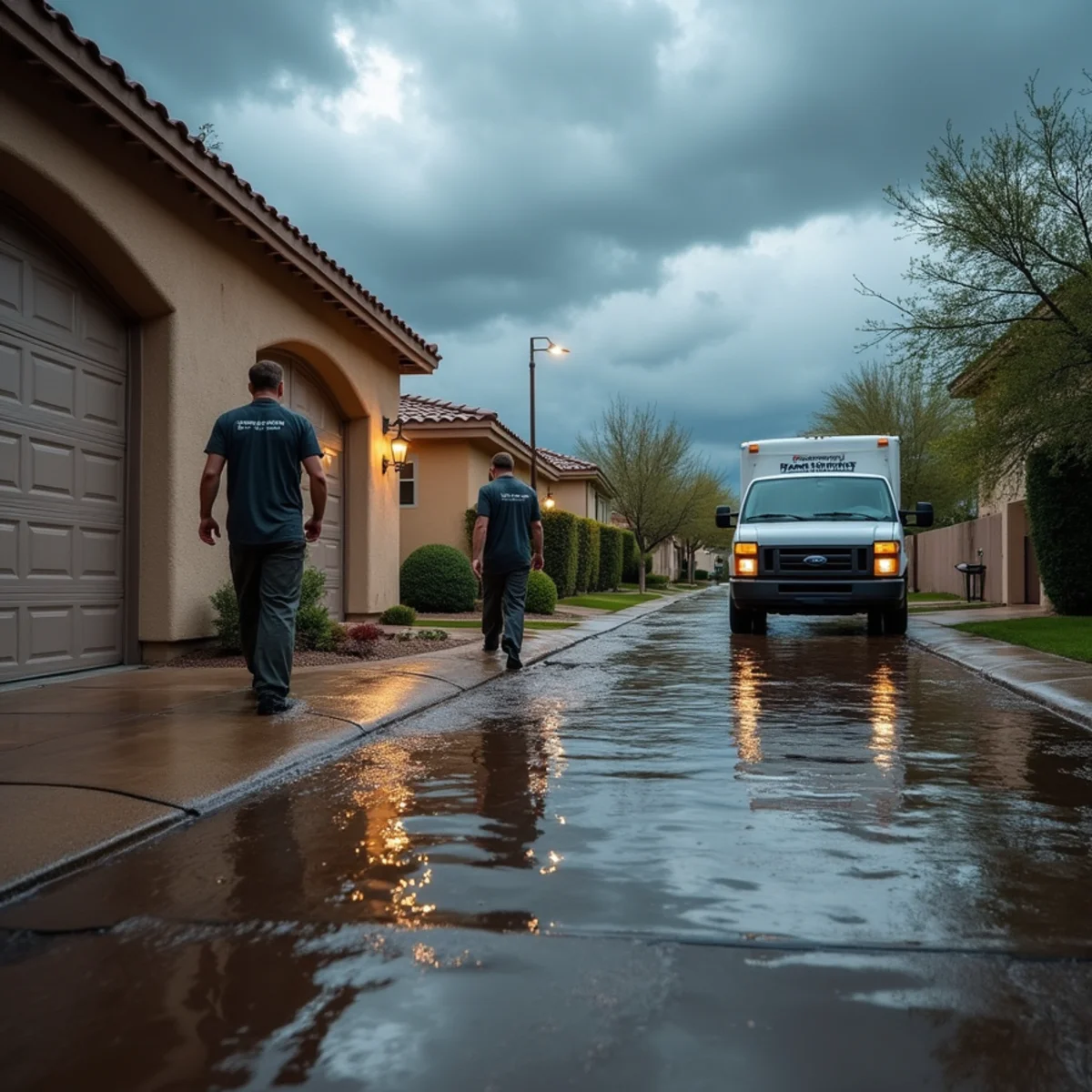
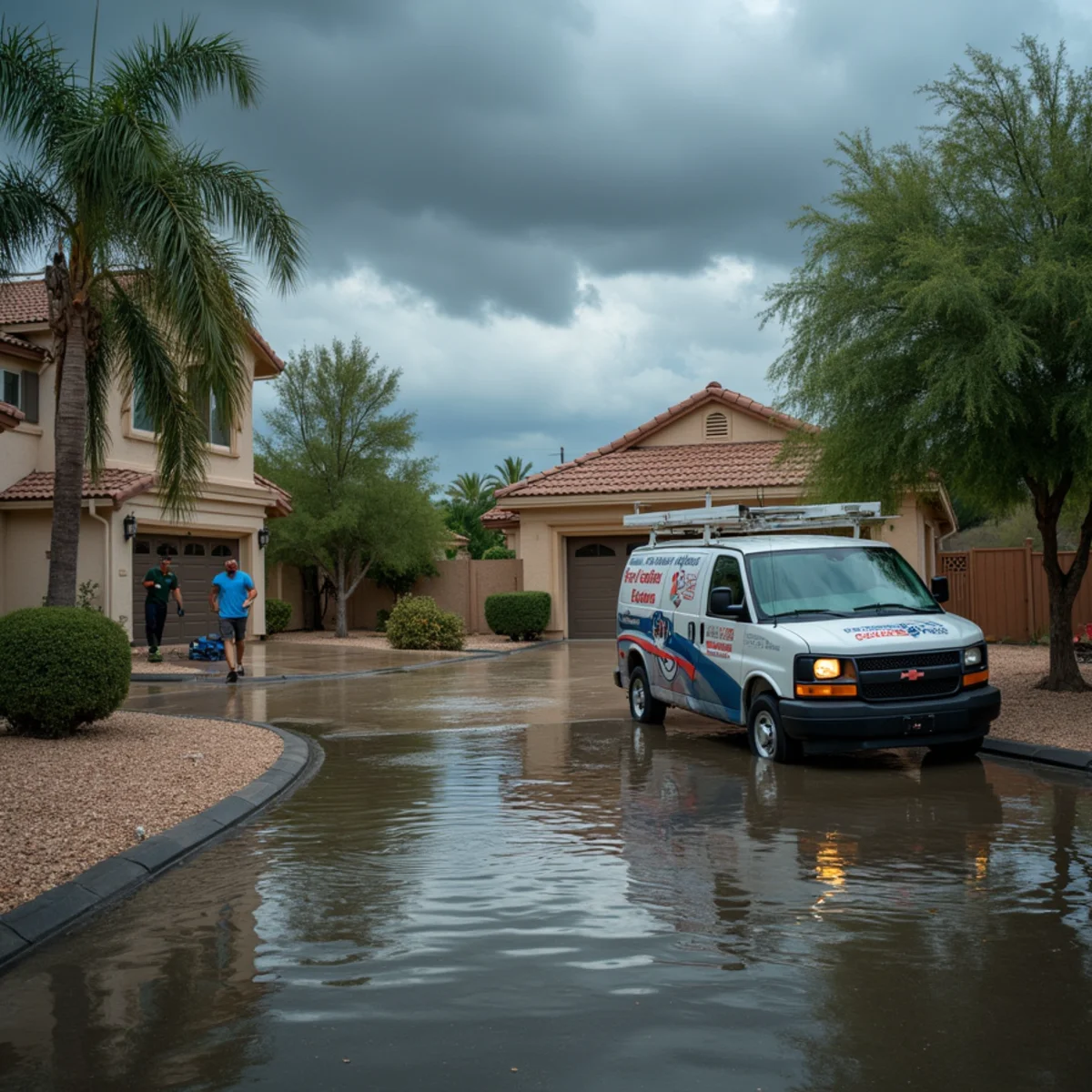
A water heater fails in the back of a Mill Avenue restaurant on a Friday night. By the time the closing manager notices, water has crossed the kitchen, seeped under the walk-in, and is spreading toward the dining room. The health inspector's clock, the insurance clock, and the mold clock all start at once — and every hour the doors stay shut is revenue you never get back.
For a retail shop or restaurant, structural damage is only part of the loss. The bigger number is often business interruption: lost sales, spoiled inventory, staff you still pay, and a lease that does not pause because your floor is wet. Minimizing downtime is not a nicety here. It is the whole strategy.
Here is how Tempe businesses get dry and get open again — in that order — without gutting a store that only needed drying. The goal is not just repair. It is the shortest honest path back to trading.
Why downtime costs more than the drywall
The repair invoice is the visible number. The downtime losses are the ones that quietly dwarf it, and they keep running the whole time your doors are dark. Owners budget for the drywall and forget the rest — which is exactly backwards.
- Lost daily revenue for every day the doors stay closed
- Perishable inventory and prepped food that cannot wait out a slow dry-out
- Payroll for staff you keep on while you are not open
- Rent and fixed costs that accrue regardless of whether you are trading
- Customers who form a new habit at the shop down the block
- Marketing spend to win back the foot traffic you lost while closed
The first hour: people, stock, and evidence
Move fast, but move in order. The first hour sets up everything that follows, from your dry-out timeline to your claim. Panic makes people skip the photos and power through standing water — slow down for sixty seconds and do it right.
- Get customers and staff out of standing water and away from any outlet or panel the water has reached
- Shut off the water at the source or the building main
- Move perishable and high-value inventory to a dry area or to refrigeration that still works
- Photograph and video everything before you move it — the water, the source, the damaged stock
- Call a commercial water damage restoration crew that can scale to a storefront, not just a bathroom
- Log the time of discovery and shut-off for your business-interruption claim
How pros dry a store without a two-week closure
The difference between a savable week and a lost month is method. Truck-mounted extraction pulls the standing water in hours, not days. Then the real work begins: drying the water you cannot see — under the fixtures, in the wall cavities, behind the millwork and the kick plates. Surface-dry is not dry. The water that ruins a reopening is the water you cannot see, and only a moisture meter can tell you it is gone.
- Containment barriers that isolate the wet zone so the rest of the store stays open
- After-hours and overnight drying so equipment runs while you are closed anyway
- Moisture mapping to find hidden water before it becomes mold behind your fixtures
- Documented drying logs that prove to your adjuster the structure is dry
- Coordination with your build-out contractor so repairs start the hour drying finishes
Protect inventory, equipment, and your reopening
The structure is replaceable on a schedule. Your inventory and specialty equipment often are not. Triage them early, before they become a second loss. In a restaurant the walk-in and the prep line are the business; in a shop it is the stock on the floor. Save those first.
- Separate salvageable stock from total losses and photograph both for the claim
- Get commercial refrigeration, POS systems, and electronics assessed before you power them back up
- Watch for Category 2 or 3 water — a sewage backup or a floor-drain overflow makes food-contact surfaces a health issue, not just a wet one
- Keep every receipt and vendor invoice; business-interruption coverage often reimburses more than owners expect
Your reopening checklist
Do not reopen on a hunch. Reopen on a moisture reading. Rushing the doors open with wet structure behind the walls is how you end up closed a second time for mold.
- Confirm the structure reads dry with a meter, not by touch
- Verify there is no hidden mold behind fixtures or under flooring
- Restore power to equipment only after an electrician clears water-affected circuits
- Deep-clean and sanitize all food-contact and customer surfaces
- Pass any required health re-inspection before you serve
- Keep the full documentation packet for your insurer and your records
The plan beats the panic
The businesses that reopen fastest are the ones that planned before the loss. Know your shut-off, keep a restoration crew's number by the register, and understand your coverage before you need it. If you run a shop or restaurant along Downtown Mill Avenue or anywhere in our Tempe service area, we handle both the emergency and the paperwork — fast water damage restoration with the documentation your claim needs. Every day open is a day earning. Let's keep your doors that way.
Frequently Asked Questions
Extraction happens in hours. Structural drying typically runs three to five days, depending on how much water soaked in, the materials involved, and the humidity. We verify it with moisture meters rather than guessing, so you reopen on data, not on a hunch.
Often, yes. A crew can build containment barriers to isolate the wet zone and dry it after hours while you keep the rest of the space trading. Ask about zoning the work up front — staying partly open is usually far cheaper than a full closure.
Many commercial policies include business-interruption coverage for lost income and extra expense during a covered loss. Read that section of your policy now, and document your downtime and losses from the first minute so the claim reflects the true cost.
Then the water category matters. A clean supply-line leak is different from a floor-drain or sewage backup, which contaminates food-contact surfaces. Those areas need proper sanitizing and often a health re-inspection before you serve again — not just drying.
Need Help With This in Person?
Our local crew handles it 24/7. Explore the related services and areas below, or just call (866) 688-0301.