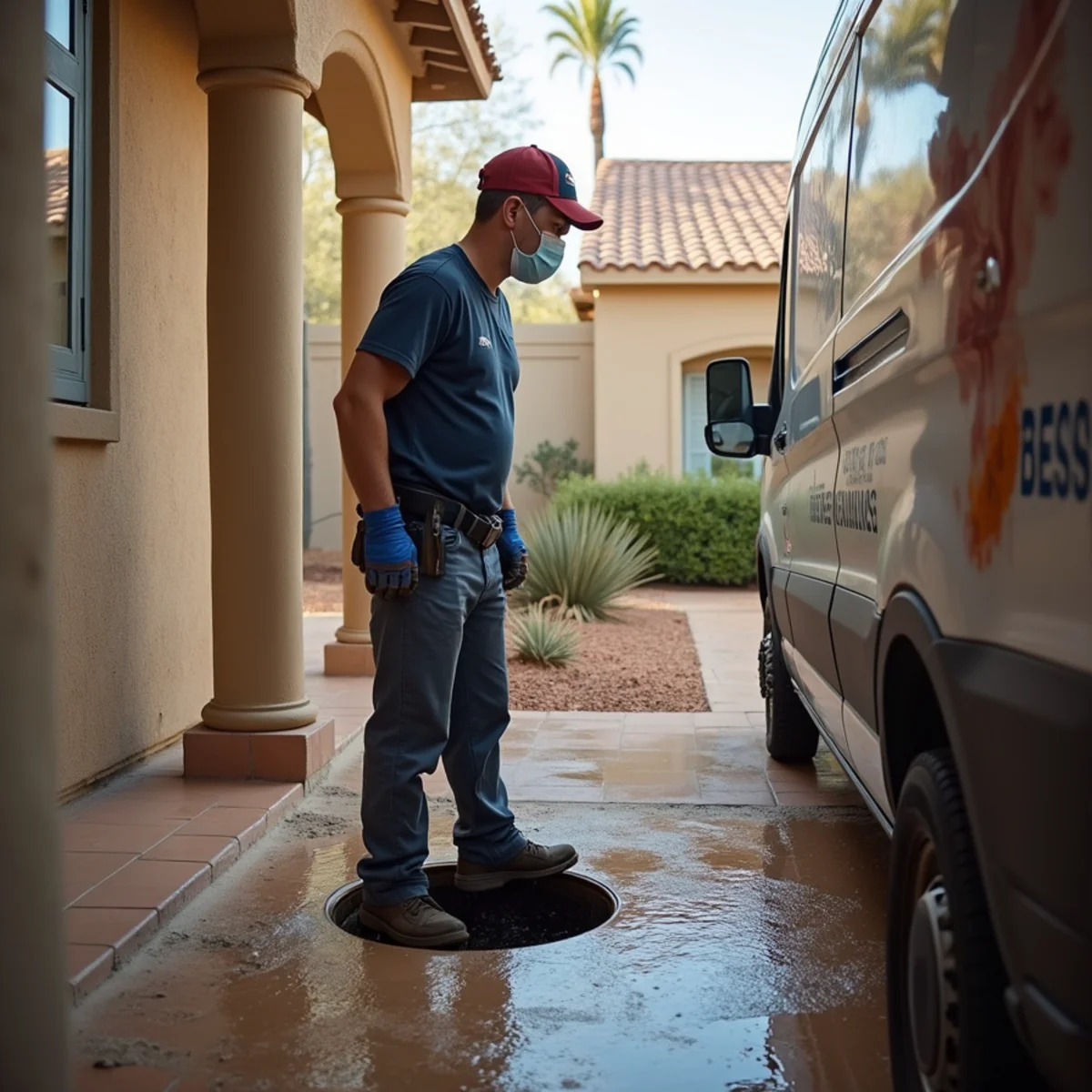
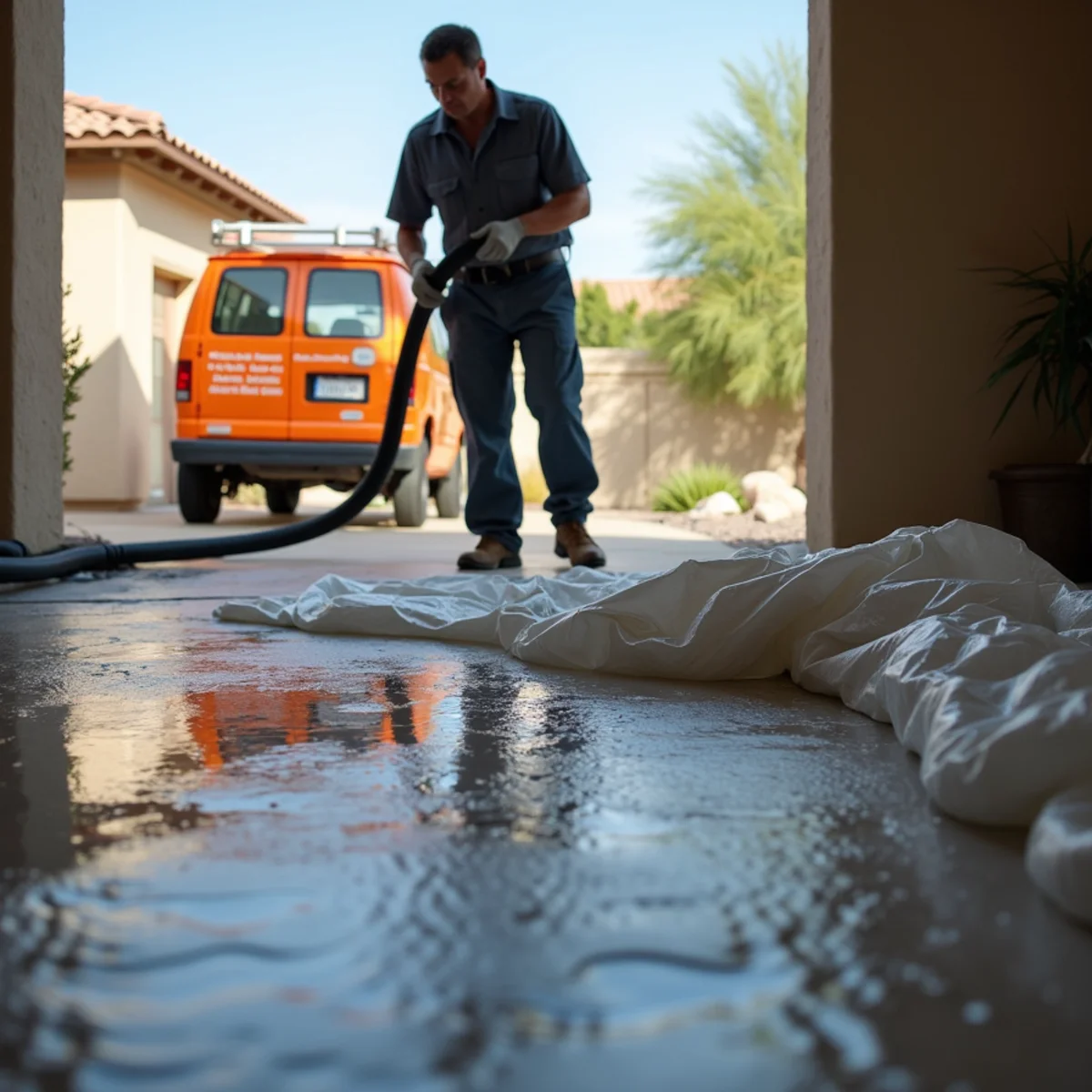
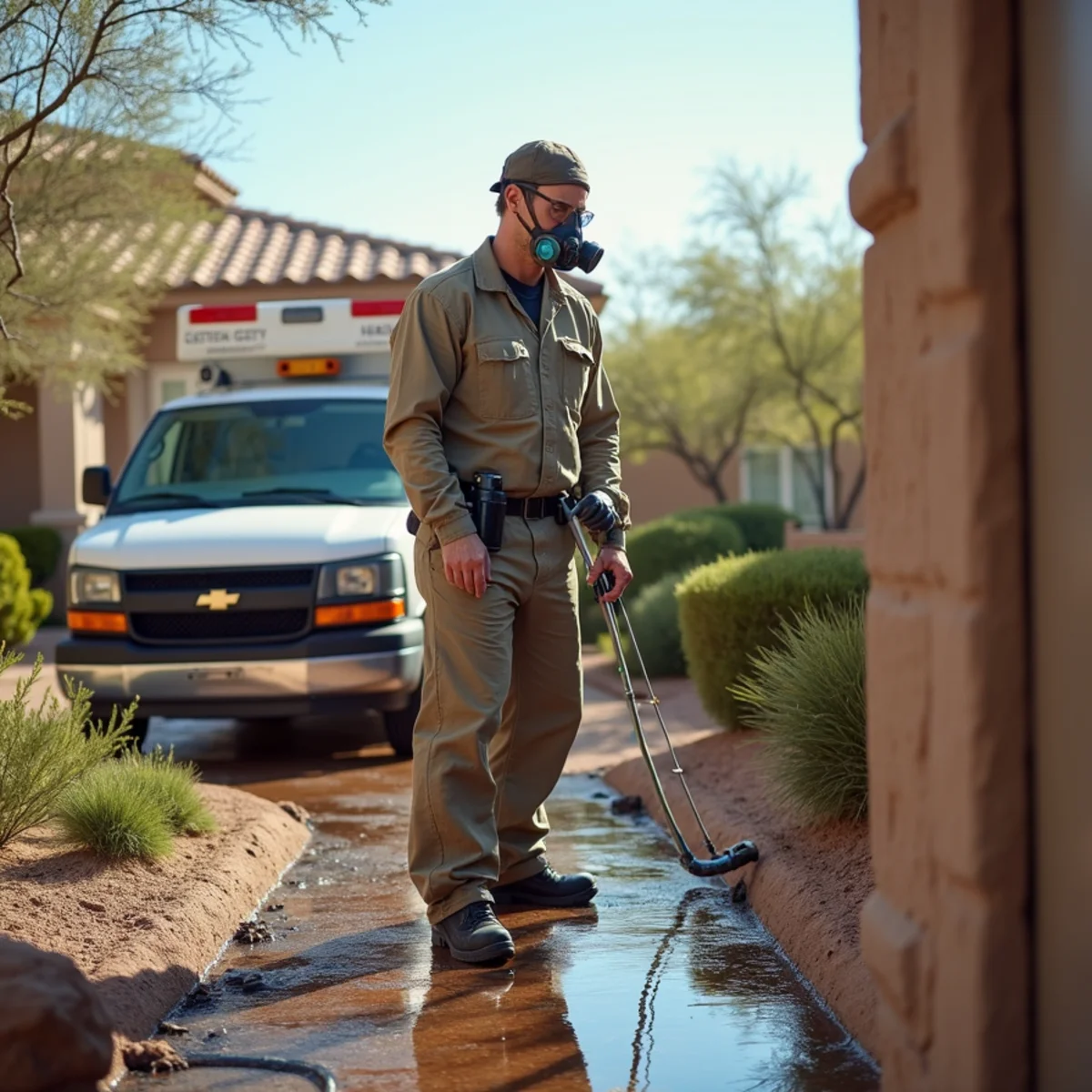
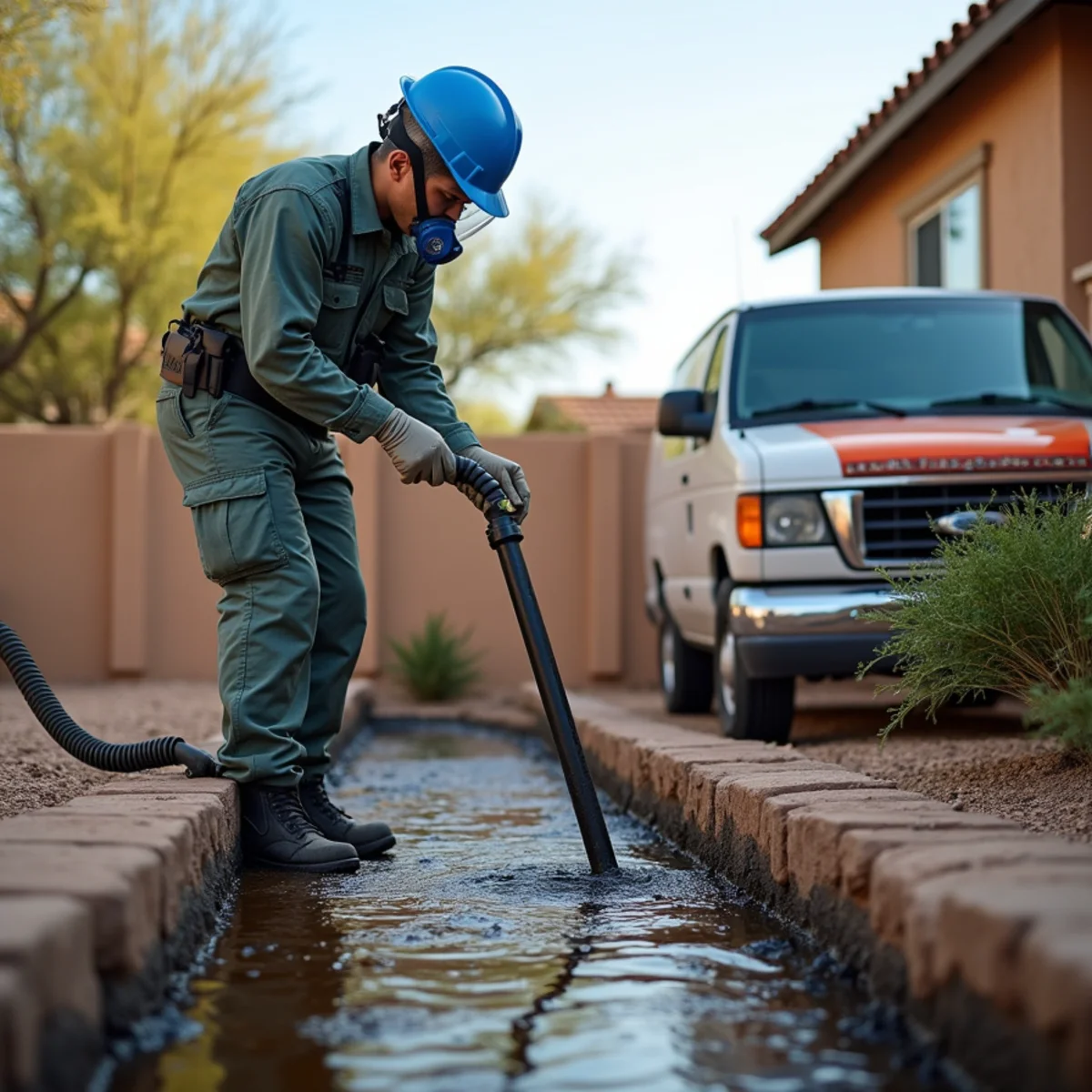
A sewage backup is the one water emergency where the first priority is not the house — it is the people in it. What is coming up through that toilet, tub, or floor drain is Category 3 black water: raw sewage carrying bacteria, viruses, and parasites that can make your household seriously ill through contact or the air near it.
So before anything else: get everyone out of the affected area, keep kids and pets well away, do not walk through it, shut off any fixture still running, and do not run water anywhere else in the house that drains toward the backup. Then call us. This is not a bucket-and-bleach job, and every hour it sits, the contamination spreads further into porous materials that then cannot be saved.
We answer (866) 688-0301 24/7 and treat a sewage backup as the emergency it is. Our crews arrive in full protective equipment, contain the area, extract the black water, and sanitize with hospital-grade disinfectant. See our full sewage cleanup process for how we bring a contaminated space back to safe, and how we fold in mold remediation when the moisture has already started growth.
Why Tempe's older neighborhoods back up
The most common cause we see is root intrusion. In Tempe's established, tree-lined neighborhoods near ASU and the historic districts, thirsty roots find the joints in aging clay and cast-iron sewer laterals, grow inside the pipe, and catch everything that flows past until the line clogs and backs up. Grease and flushed debris finish the job. Older homes on big lots with mature landscaping are the classic candidates, and a backup there is a plumbing-age problem, not a fluke.
Monsoon storms overwhelm the mains
During the **June 15 to September 30** monsoon, a hard microburst can dump more water than the sewer and stormwater systems can carry at once. When the mains surcharge, that water has to go somewhere, and in low-lying homes it comes up through the lowest drains as a backup. If a sewage backup hits your home during or right after a storm, do not assume it is minor — storm-driven backups still carry Category 3 contamination and need the same containment and sanitizing as any other.