The visible mess is gone. The water was pumped out, the floor was wiped down, and on the surface the backup looks handled. But days later the smell is still there — that sour, unmistakable sewage odor that hits you when you walk in and will not air out no matter how many windows you open. That lingering smell is not a nuisance. It is a warning that the contamination is still in your home.
Sewage is Category 3 black water — the most hazardous category there is — and a smell that persists after cleanup almost always means the sanitization was incomplete. Here is what that odor is really telling you, and how professional sanitization actually eliminates it instead of covering it up.
Why the smell means danger, not just unpleasantness
Odor is information. The gases you smell after a sewage backup — hydrogen sulfide and others produced by decomposing waste and bacteria — are byproducts of the same biological contamination that makes sewage a health hazard. If you can still smell it, the source is still present: bacteria, pathogens, and organic residue somewhere in the materials or the air. Your nose is detecting what a surface wipe-down left behind.
What a lingering smell is really telling you
A persistent odor after cleanup points to one of a few failures, and all of them are about porous materials and hidden moisture:
- Contaminated porous materials — carpet, pad, drywall, insulation — that were cleaned on the surface but never removed, still holding sewage deep inside.
- Water that wicked into wall cavities, subfloor, or under cabinets and was never dried or disinfected.
- Residue in the affected area that was mopped but not treated with a proper antimicrobial.
- Contamination that reached the HVAC system and is now recirculating the smell through the house.
How professional sanitization actually works
Proper sewage remediation is a defined sequence, and every step exists to remove contamination rather than move it around:
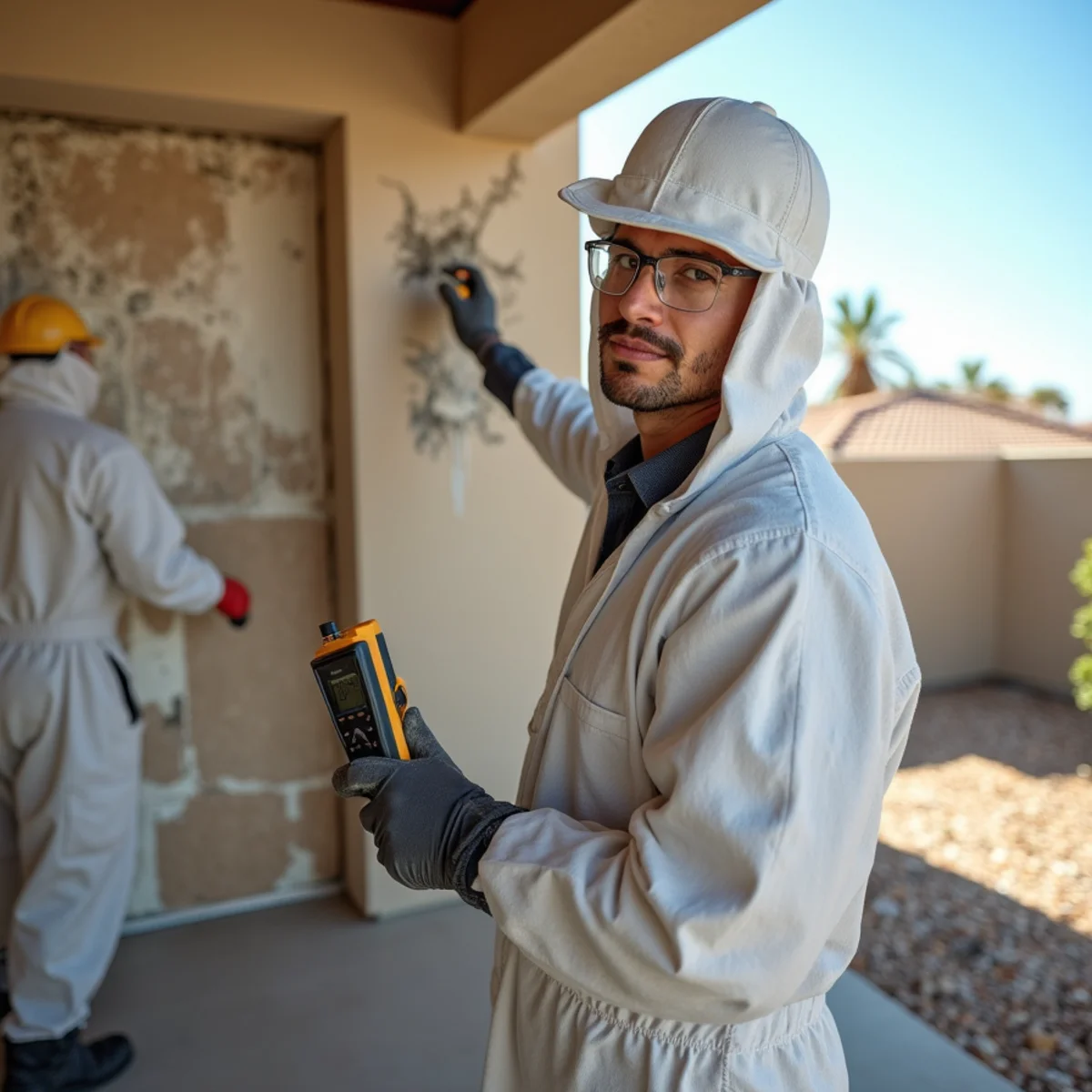
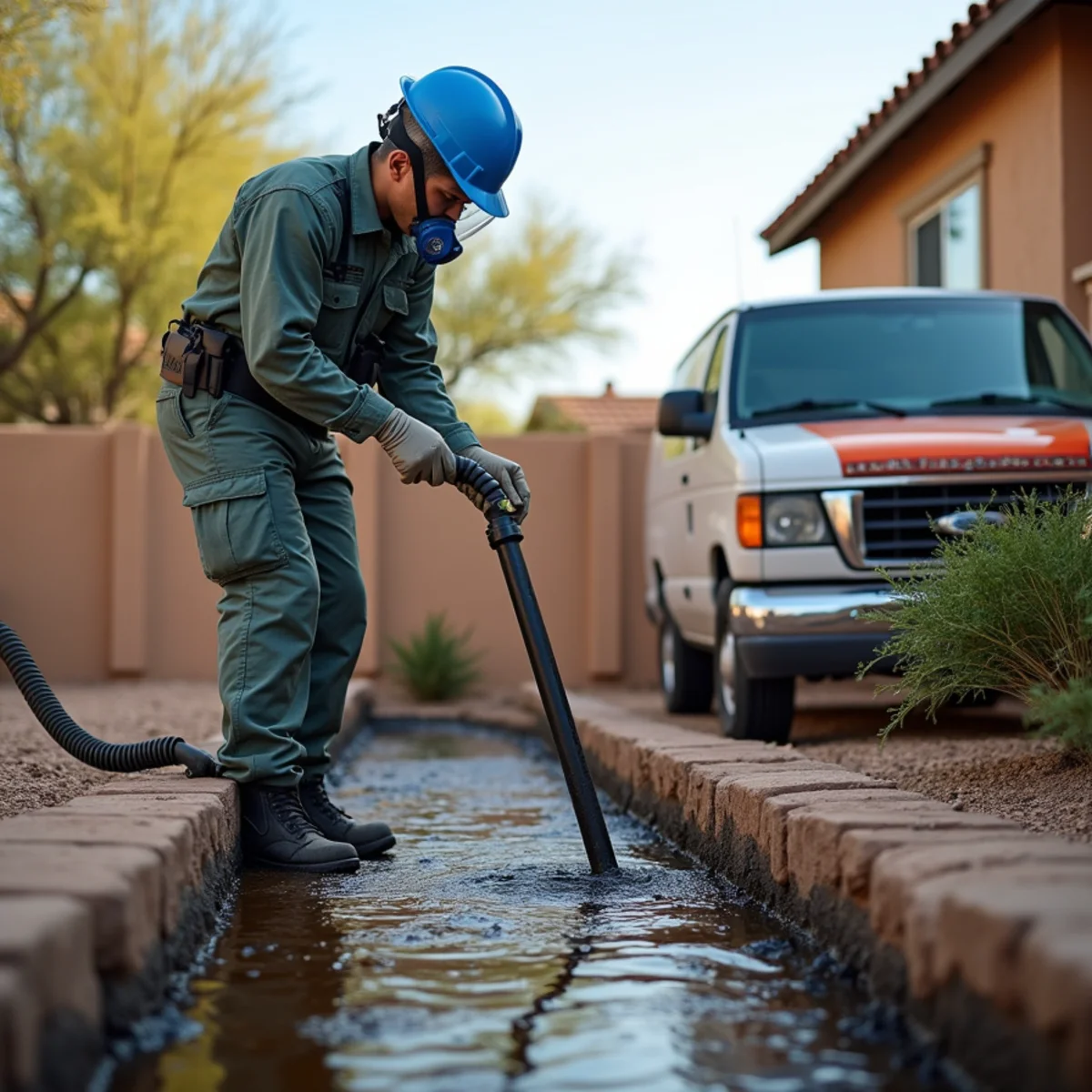
- Contain and protect. We isolate the affected area and work in personal protective equipment, because Category 3 water is a biohazard, not a spill.
- Extract and remove. All sewage water is extracted, and porous materials that absorbed it — carpet, pad, saturated drywall, insulation — are removed and discarded. Contaminated porous material cannot be reliably sanitized in place.
- Clean and disinfect. Hard, salvageable surfaces are cleaned, then treated with EPA-registered antimicrobial and disinfectant products to kill remaining bacteria and pathogens.
- Dry the structure. Framing, subfloor, and cavities are dried with commercial equipment, because moisture left behind sustains both odor and mold.
- Deodorize at the source. Air scrubbers with HEPA and activated-carbon filtration, and hydroxyl or ozone treatment in unoccupied spaces, remove airborne contaminants and odor molecules — after the source is gone, not instead of removing it.
- Verify. We confirm surfaces are dry to standard and the area is clean before any rebuilding begins.
What cannot be saved
This is the part homeowners resist, and it is not negotiable. Porous materials that soaked up Category 3 water are discarded — carpet and pad, saturated drywall, wet insulation, and particleboard cabinet bases. Trying to save them is exactly what leaves the smell and the hazard behind. Hard, non-porous surfaces — tile, sealed concrete, metal, solid wood — can usually be cleaned, disinfected, and kept.
Odor removal versus odor masking
The distinction that matters: masking adds a competing scent; removal takes away the molecules causing the smell. Real deodorization only works once the contaminated materials are gone and the structure is dry and disinfected. At that point air scrubbers and hydroxyl generators finish the job on any residual airborne odor. Do it in the wrong order and the smell comes back every time, because you are perfuming an active source.
A returning sewage smell also raises the mold question, since the same trapped moisture that holds odor feeds mold within 24 to 48 hours in Tempe's climate — which is why our sewage work runs hand in hand with professional mold remediation when needed. For the health precautions and first steps during a backup, see our guide to sewage backup health risks and steps in Tempe. We handle sewage sanitization across Tempe, including Evergreen, and we answer the phone 24/7 at (866) 688-0301.
Frequently Asked Questions
A lingering sewage odor almost always means contamination was left behind — porous materials cleaned on the surface but not removed, moisture that wicked into cavities and was never dried, or residue that was mopped but not disinfected. The smell is the biological source announcing it is still there.
No — that only masks it temporarily while the hazard remains. The odor comes from bacteria and organic residue in the materials and air. It goes away for good only when the contaminated porous materials are removed, the structure is disinfected and dried, and the air is scrubbed at the source.
It can be. The gases you smell are byproducts of the same bacterial contamination that makes sewage a Category 3 biohazard, and they can indicate ongoing exposure. Persistent sewage odor warrants professional assessment, especially if anyone in the home has respiratory issues.
Porous materials that absorbed the contaminated water: carpet and padding, saturated drywall, wet insulation, and particleboard cabinet bases. Hard, non-porous surfaces like tile, sealed concrete, and metal can usually be cleaned, disinfected, and kept. The porous-versus-nonporous line drives what stays and what goes.
Need Help With This in Person?
Our local crew handles it 24/7. Explore the related services and areas below, or just call (866) 688-0301.