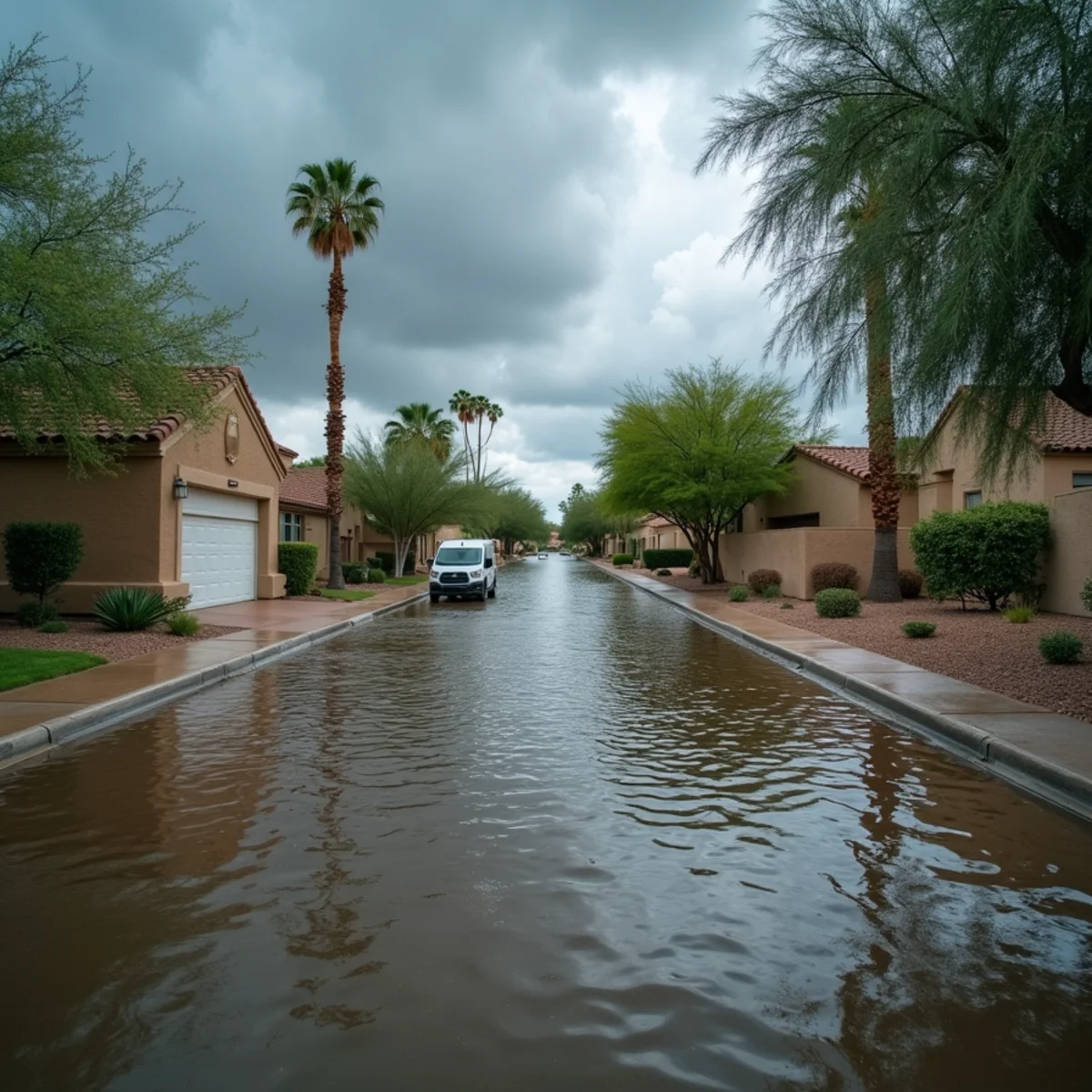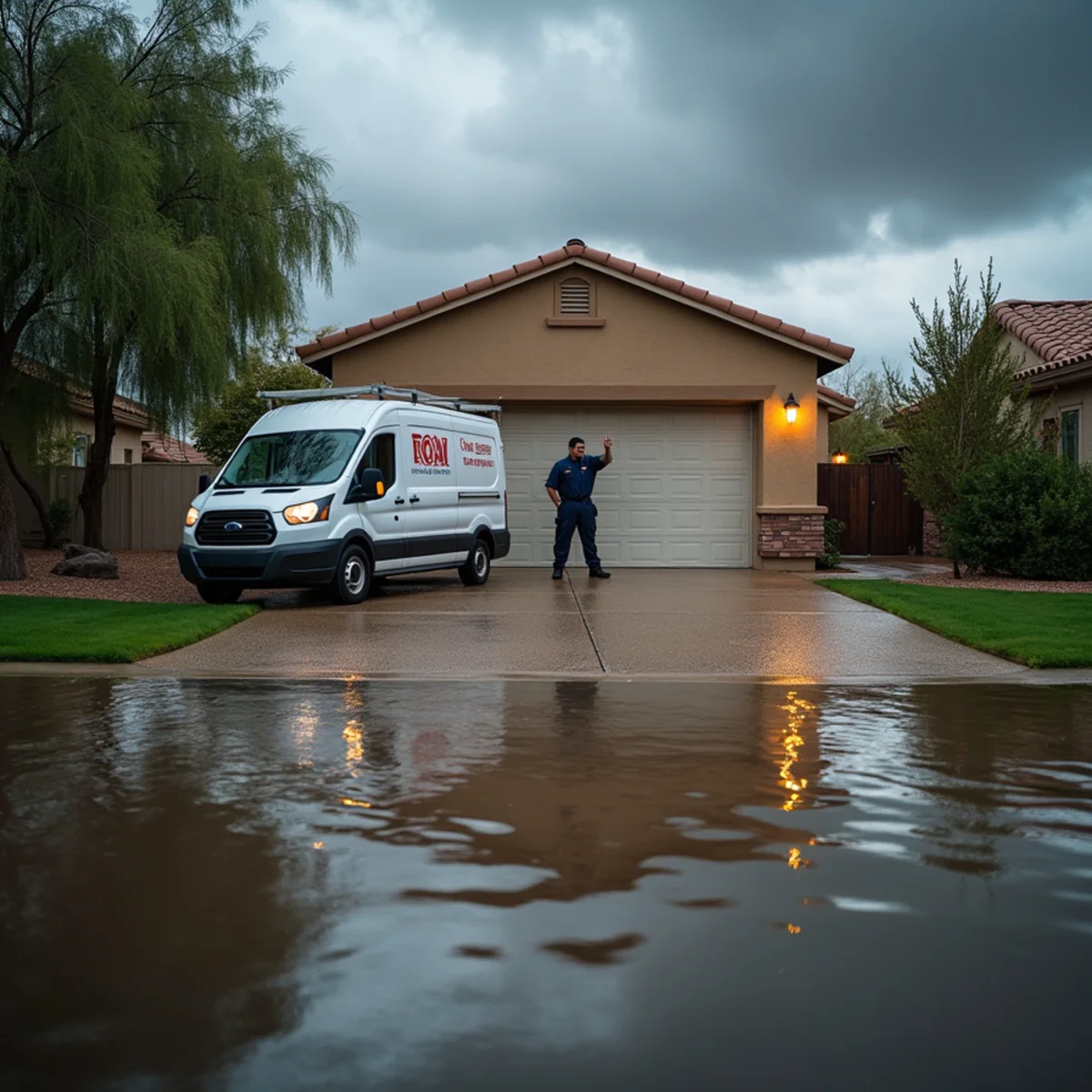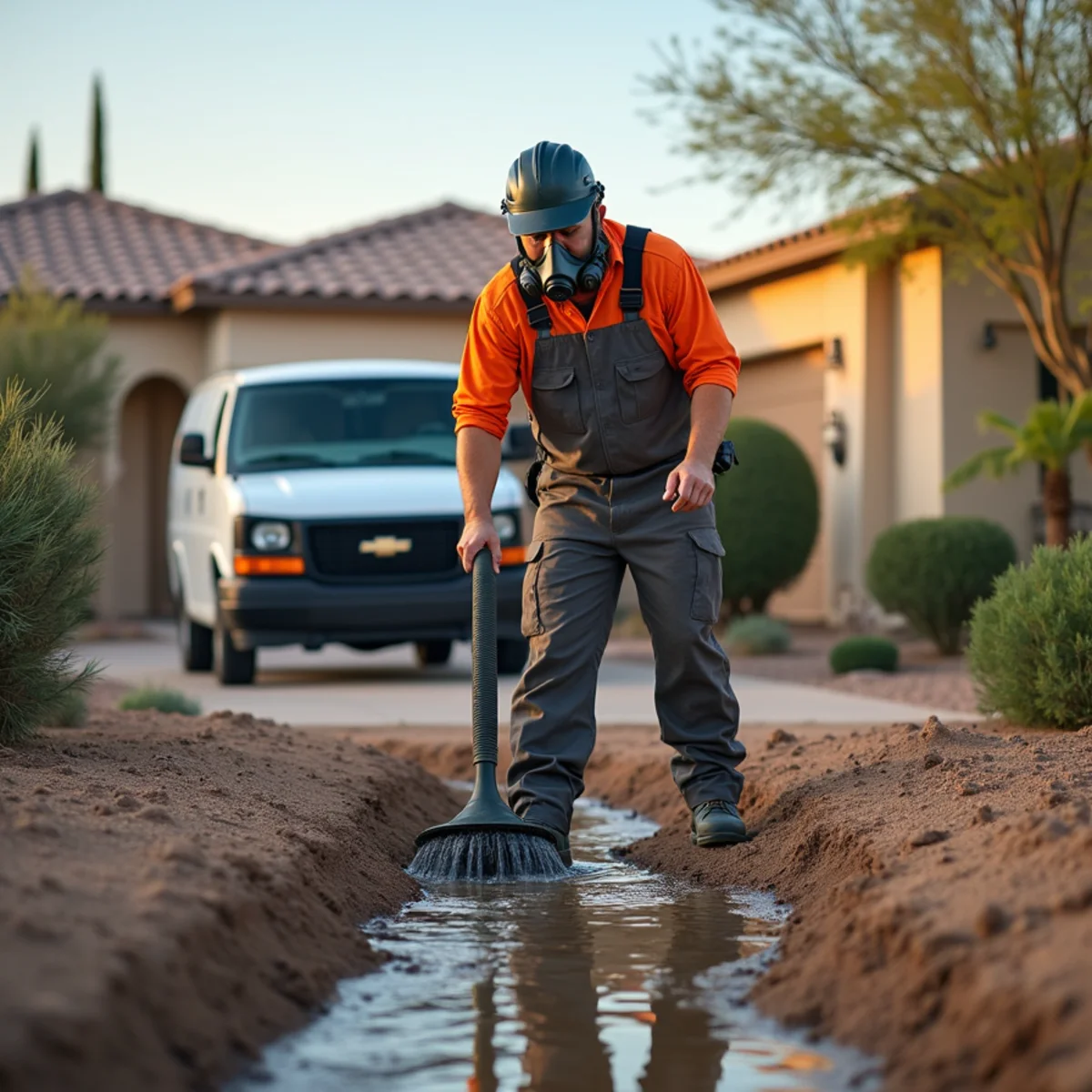
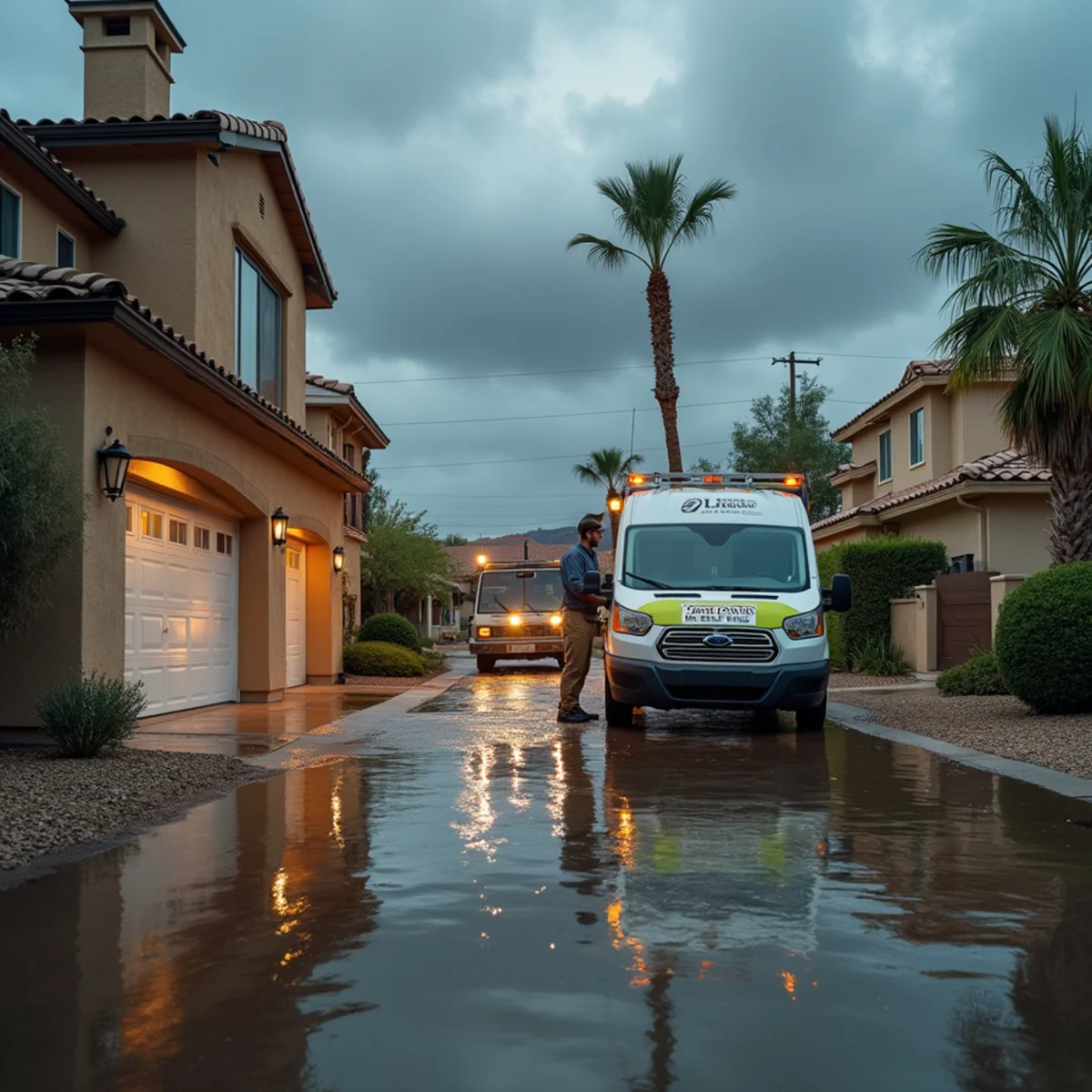
A water loss in a Paradise Valley home is not a small claim. When the flooring is wide-plank hardwood, the cabinetry is custom, and the great room runs on imported stone, a burst line can turn into a six-figure claim overnight. And on a claim that size, the gap between what you are owed and what you collect comes down to one thing: documentation.
Adjusters are not villains, but they work from evidence. If you cannot prove what was there and what it was worth, the settlement drifts toward the low end. Here is how to document a high-value water loss so the claim reflects the home you actually own.
Why high-value losses need more proof, not less
A tract-home carpet claim is straightforward — carpet is carpet. A Paradise Valley loss is not, because the finishes are the whole point. Quarter-sawn hardwood, hand-troweled plaster, a wine room, integrated audio, designer lighting — none of it gets valued correctly unless you prove it existed and what grade it was. Under-documentation is the single most common reason a large claim settles short.
Photograph and video everything, immediately
Before you move a thing or start cleanup, build the record. Memories and estimates do not carry a claim; a timestamped visual log does.
- Wide video of every affected room, narrating what the camera is seeing as you walk.
- Close-ups of the water source and the path the water traveled.
- Detail shots of high-grade finishes — flooring species and width, stone, millwork, trim profiles.
- Serial numbers and labels on damaged appliances, electronics, and systems.
- The water line against walls and cabinetry, which tells the adjuster how deep the loss went.
Inventory the contents that matter
In a high-value home the contents claim can rival the structure. Art, rugs, furniture, a wardrobe, electronics — each ruined item is a line on your claim, but only if you list it. Build a room-by-room inventory: what it is, what it cost or is worth, and its condition. Receipts, appraisals, and prior photos of the room in better days all strengthen it. Do not discard damaged items until the adjuster has seen them or you have documented them thoroughly and been told disposal is fine.
- Furniture and rugs — note maker and material where you can.
- Electronics and systems — model and serial numbers.
- Art and decor — appraisals or purchase records if you have them.
- Wardrobe and specialty items — quantities and estimated values.
Working with the adjuster
The adjuster is your counterpart, not your enemy, and a professional relationship pays. A few habits keep a large claim on track:
- Give them the organized documentation up front — it speeds the process and signals you are serious.
- Keep every receipt for emergency work and temporary repairs.
- Get the professional drying and moisture logs; adjusters trust documented readings over assurances.
- Do not accept the first number reflexively on a complex loss — make sure it accounts for the real finishes.
- Consider a public adjuster for very large or disputed claims; on a six-figure loss the fee can pay for itself.
Emergency mitigation is covered — act on it
One rule works in your favor: policies not only allow emergency mitigation, they usually require it. You have a duty to prevent further damage, and the cost of that emergency work is typically covered even while the full claim is still being negotiated. So calling a restoration crew immediately does not jeopardize your claim — it strengthens it, because you limited the loss.
Additional living expenses on a large loss
When a big home is torn up for drying and reconstruction, you may not be able to live in it. Most policies include additional living expenses, or ALE, which covers the reasonable cost of staying elsewhere while repairs are underway. On a Paradise Valley loss that can mean weeks in temporary housing, so keep every receipt and confirm your ALE limit early rather than assuming it is unlimited.
Specialty contents need specialty proof
Art, wine collections, custom furniture, and high-end electronics do not settle on a standard depreciation table. If you own them, get them documented properly — appraisals for art and jewelry, inventories for a wine room, purchase records for AV systems. Standard policies also cap certain categories, so if your collection is significant, check whether you need scheduled coverage before a loss ever happens, not after the water is already on the floor.
The restoration side of a big claim
On a high-value loss the drying has to be done right, because saving original finishes is worth far more than replacing them. Careful structural drying — pulling moisture out of hardwood, plaster, and stone slowly enough to save them — is often the difference between restoration and a gut job. Our water damage restoration crews document every reading so your file has the proof the adjuster needs, and we serve luxury homes throughout Paradise Valley.
If you are facing a large water loss, document first, mitigate immediately, and keep everything. For a sense of what the work itself runs, see our breakdown of water damage restoration cost, and call (866) 688-0301 any hour — the sooner we are on site, the more of your home we save.
Frequently Asked Questions
Before cleanup, take timestamped wide video and close-up photos of every room, the water source, and high-grade finishes. Build a room-by-room contents inventory with values, and keep all receipts. Thorough documentation is what a large claim depends on.
No. Policies usually require you to prevent further damage, and emergency mitigation is typically covered. Document thoroughly, then get the water out — waiting lets the loss grow and mold start within 24 to 48 hours.
On a very large or disputed claim, a public adjuster can be worth the fee, since they represent you rather than the insurer. For a straightforward loss it is usually unnecessary. Consider one when the finishes and contents are high-value and the numbers are far apart.
Generally yes. Your policy's duty-to-mitigate provision means reasonable emergency work to limit the damage is typically covered, even while the full claim is still being settled. Keep the receipts.
Need Help With This in Person?
Our local crew handles it 24/7. Explore the related services and areas below, or just call (866) 688-0301.