The water is off, the panic is fading, and a new worry takes its place: what is this going to cost? You call one company and the number sounds suspiciously low. You call another and it sounds frightening. Neither tells you much, because water damage restoration is not a single price. It is a range that moves with how much water, what kind, and how far it traveled into your home.
We have written itemized estimates on a lot of Tempe kitchens, hallways, and master closets. Here is how the pricing actually works, what pushes it up, and how to read a bill so you are not paying for work your home never needed.
What Tempe homeowners typically pay
Restoration pros sort water into three categories, and the category sets the floor for your price. Clean water from a supply line is the cheapest to handle. Gray water from an appliance costs more. Black water and sewage cost the most, because the crew has to treat the whole area as a health hazard and haul contaminated materials away.
What actually drives the price
Two Category 1 losses on the same street can be a thousand dollars apart. The variables that move your number the most:
- Water category — clean, gray, or black. This is the single biggest lever.
- Square footage affected, and how many rooms the water reached.
- How long it sat before extraction started. Hours matter.
- What got wet — tile and concrete dry cheaply; carpet pad, drywall, cabinets, and hardwood do not.
- Whether water hid inside wall cavities, under flooring, or in the subfloor.
- How many days of drying equipment your home needs to reach a dry standard.
- Any mold, and any reconstruction after the drying is done.
How an itemized estimate is built
A real estimate is a list, not a lump sum. When we scope a water damage restoration job, the line items usually break down like this:
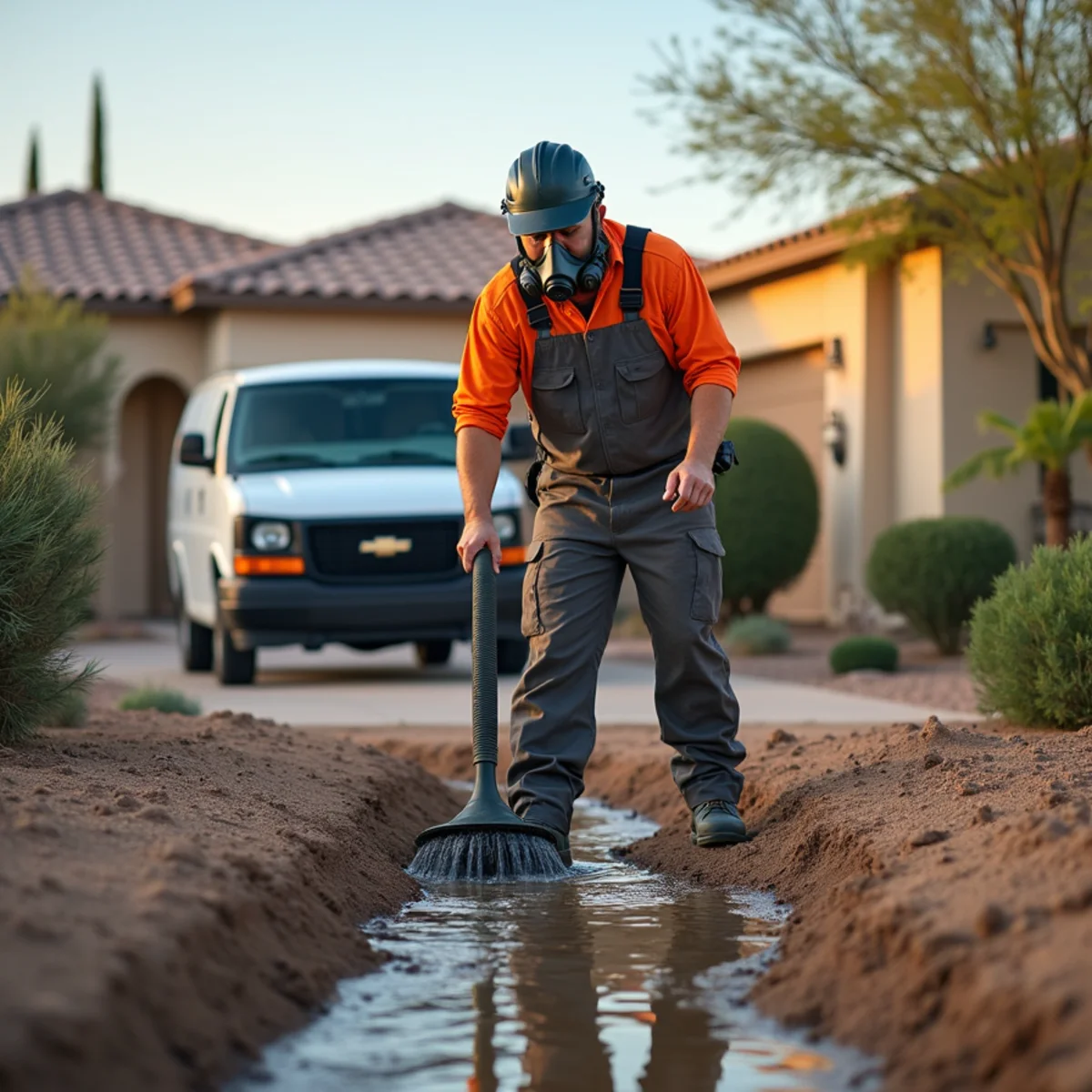
- Emergency water extraction — removing standing water with truck-mounted or portable units.
- Drying equipment — air movers and dehumidifiers, priced per unit per day.
- Antimicrobial treatment — to stop bacteria and mold on affected materials.
- Moisture monitoring — daily readings until the structure hits a dry standard, documented.
- Controlled demolition — removing unsalvageable drywall, pad, or cabinetry.
- Disposal — hauling and dumping contaminated materials, higher for Category 3.
- Reconstruction — drywall, paint, flooring, and trim to put the home back.
The heavy water removal is its own line for a reason. Fast, complete water extraction is what keeps a Category 1 loss from creeping into your subfloor and turning into a much bigger reconstruction bill.
Costs people forget to budget for
The extraction and drying are the obvious costs. A few others catch homeowners by surprise, and all of them belong in your planning from day one.
- Reconstruction — drying saves the structure, but replacing drywall, paint, baseboards, and flooring is a separate phase with its own price, and it is often the larger half of the total.
- Contents and pack-out — moving, storing, and cleaning furniture and belongings while the home dries adds up, especially when a whole room has to be cleared out.
- Your deductible — even on a covered claim you pay this first, so a small loss can cost less out of pocket than your deductible entirely.
- Equipment days — the longer the structure takes to dry, the more air movers and dehumidifiers you rent, which is why a proper drying plan is not padding, it is the plan.
Ask any company to separate mitigation from reconstruction on the estimate so you can see both numbers side by side. A bid that quietly folds them together, or leaves reconstruction off entirely, is how a bill balloons after the work has already started.
How to avoid being overcharged
Most Tempe restoration companies are honest. A few are not, and the padding usually hides in vague quotes and skipped documentation. Protect yourself:
- Insist on an itemized written estimate, not a single flat number.
- Be wary of any firm that quotes a hard price before anyone inspects the moisture.
- Ask how many drying days they expect and how they will prove the home is dry.
- Ask whether reconstruction is included or quoted separately, so the final bill is no surprise.
- Ask for daily moisture readings — real numbers, not a technician's word.
- Ask if they bill your insurer directly, which cuts your out-of-pocket paperwork.
Does insurance change what you pay?
Often, yes. If the cause was sudden and accidental — a burst supply line, an overflowing appliance — a standard homeowners policy usually covers the resulting water damage, and you pay your deductible instead of the full bill. Gradual damage from a leak you left for months is typically excluded. If the loss traces to a slab leak, the coverage split has its own rules, which we cover in our guide on whether insurance covers a slab leak in Arizona.
Why the cheapest quote can cost the most
The tempting move is to take the lowest bid and hope for the best. The problem is drying time. A crew that pulls its equipment a day or two early to save on rental costs leaves moisture behind in your walls and subfloor. In Tempe's heat, mold can begin within 24 to 48 hours of materials staying wet, so that saved day turns into a mold remediation job weeks later. Cheap-and-fast is how a $3,000 loss becomes an $8,000 one.
Get the itemized estimate. Ask the drying-time questions. If you want a straight, no-pressure walk-through of what your specific loss should cost, our crew covers the whole city — see our Tempe service area, and call (866) 688-0301 any hour.
Frequently Asked Questions
It depends on the water category and how far it spread. Category 1 clean-water losses typically run about $1,500 to $5,000, Category 2 gray water about $3,000 to $8,000, and Category 3 sewage higher. The Phoenix-area average is near $4,623. These are typical ranges, not quotes.
Usually because they scoped the job differently — one may include reconstruction and full drying while another quoted extraction only. Always compare itemized estimates, not flat numbers, and make sure drying time and reconstruction are spelled out.
If the cause was sudden and accidental, like a burst pipe or overflowing appliance, a standard homeowners policy usually covers the resulting water damage minus your deductible. Gradual damage from a long-ignored leak is typically excluded.
We can give you a category-based range on the call, but an accurate estimate needs an inspection. The real cost depends on how far the water traveled and what it soaked, which we cannot see over the phone.
Need Help With This in Person?
Our local crew handles it 24/7. Explore the related services and areas below, or just call (866) 688-0301.