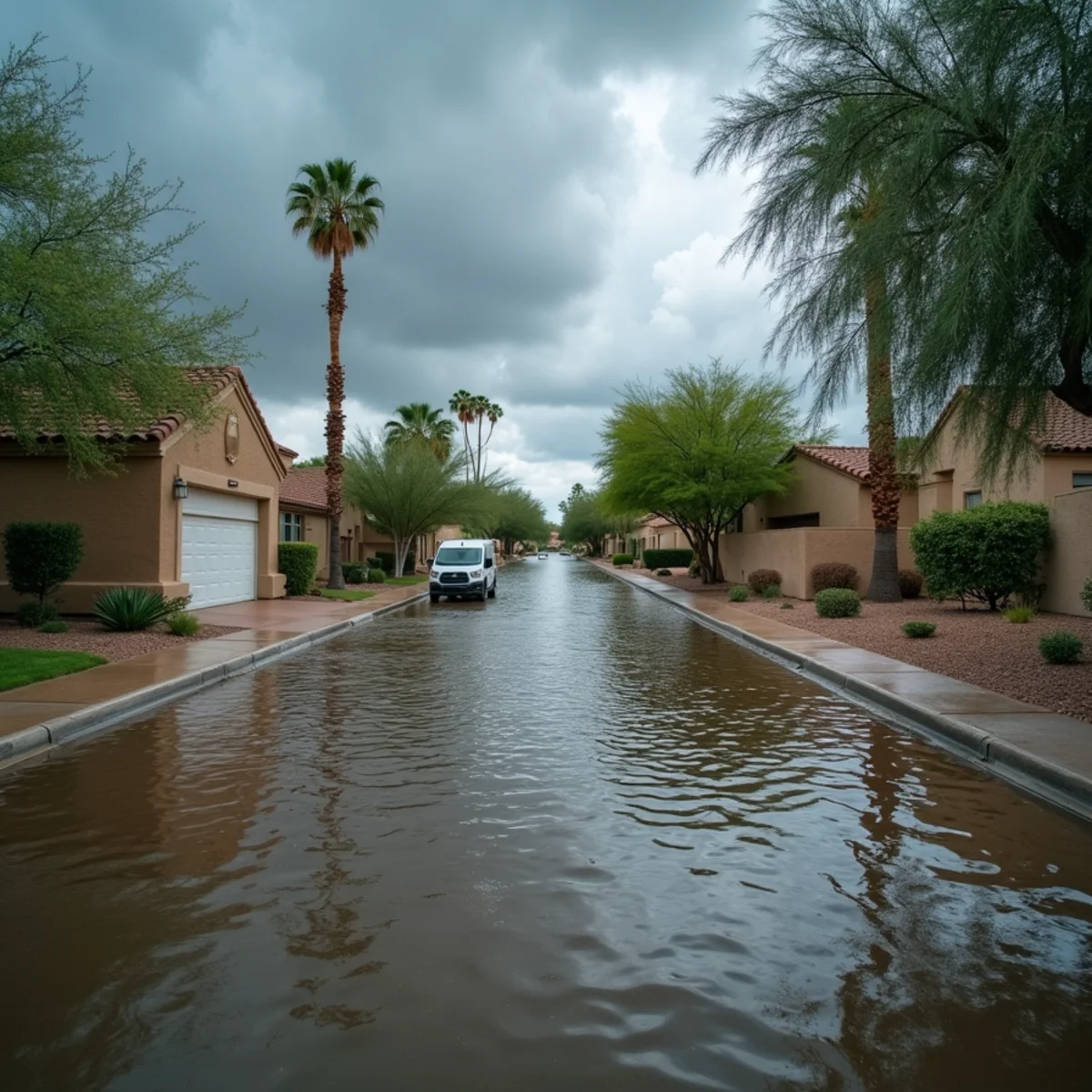
You got the news no Tempe homeowner wants: a slab leak. A pipe under your concrete foundation is leaking, and the water has already worked its way up into your flooring and baseboards. The next question is the expensive one — will insurance cover it?
The honest answer is a split. Your policy will probably help with part of this and not the other part, and knowing which is which changes how you file and what you photograph before anyone swings a jackhammer.
The critical split: the leak vs. the damage
Homeowners insurance is built to cover sudden, accidental damage — not maintenance, and not the failed part itself. With a slab leak, that principle draws a hard line down the middle of your loss.
Read that split again, because it surprises people. Many Arizona policies will pay to break through your slab to reach the leak, and to dry and rebuild what the water ruined, while leaving you to pay the plumber who actually fixes the pipe. The access work can cost more than the repair.
Why the pipe itself is excluded
Insurance treats a worn-out pipe as maintenance. Homes in the older parts of Tempe often run in-slab copper or galvanized lines that corrode from the inside over decades. When one finally fails, the insurer sees an aging component, not a covered peril — so the fix comes out of pocket. What they do cover is the water that escaped and the destruction it caused on its way up.
Sudden vs. gradual — the words that decide your claim
Every slab leak claim turns on one question: was this sudden or gradual? A pipe that lets go and floods your hallway is sudden and accidental. A slow weep that stained your floor over a year, that you smelled and saw and did nothing about, is gradual — and gradual is the classic exclusion. This is why speed matters. The moment you suspect a slab leak, act, because delay does not just grow the damage, it can hand the insurer a reason to deny.
- Warm or wet spots on the floor, especially in a slab-on-grade home.
- A water bill that jumped for no reason.
- The sound of running water when everything is off.
- Cracked flooring or a musty smell near an interior wall.
Those symptoms mean it is time to move. Our neighbors over in Optimist Park and the surrounding older Tempe blocks see this often, because the housing stock is exactly the vintage where in-slab lines start to give out. For spotting one early, see our guide to the signs of a slab leak in a 1960s Tempe ranch.
Documentation is what gets a slab leak claim paid
Because the coverage is a split, your documentation has to prove two things: that the event was sudden, and exactly what water damage resulted. Before any demolition:
- Photograph and video the wet flooring, baseboards, and walls from wide and close angles.
- Save the plumber's leak-detection report — it establishes the cause and timing.
- Keep receipts for the emergency work and the plumbing repair.
- Log the date you discovered it and when you called for help.
- Do not throw out ruined materials until they are documented for the adjuster.
Where restoration fits in
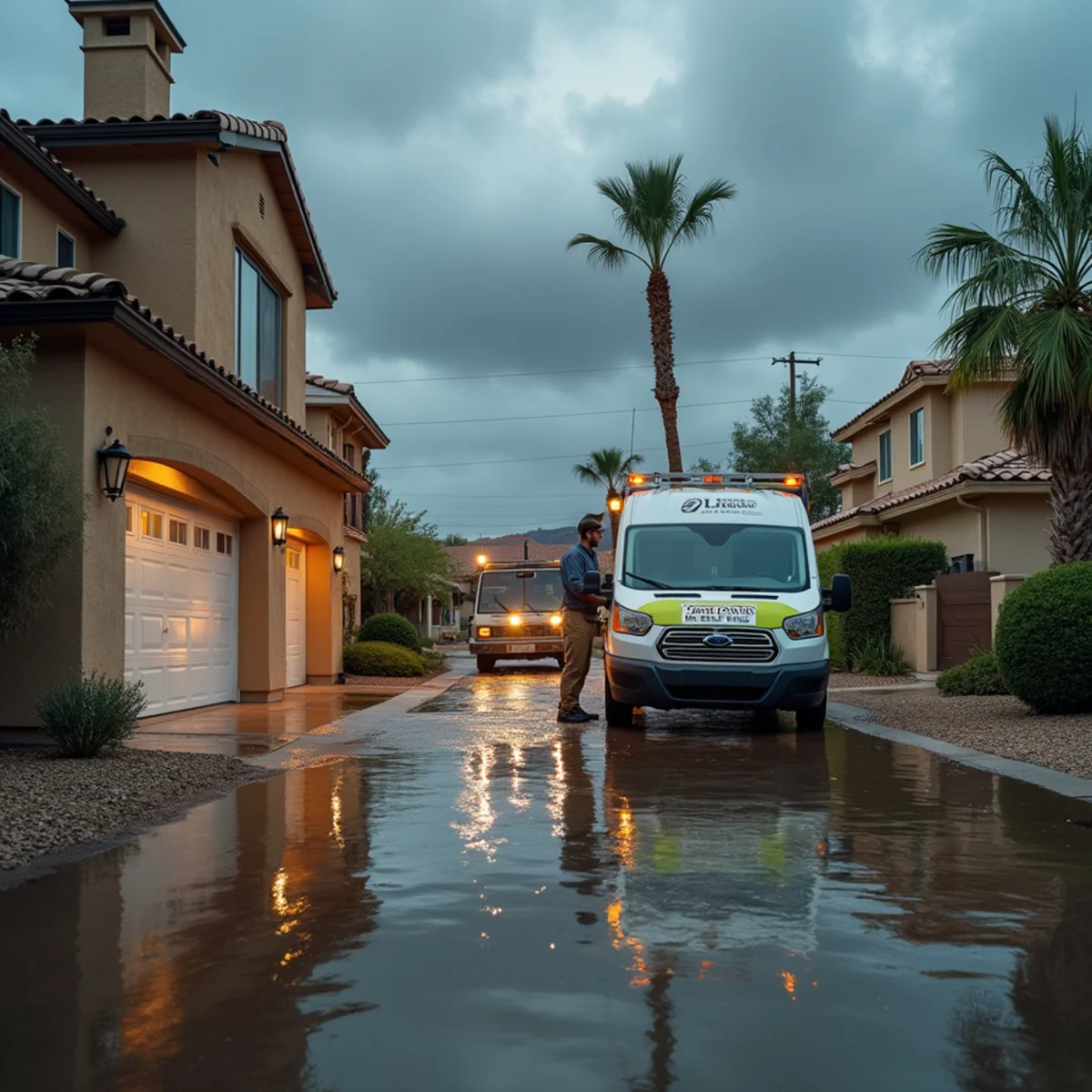
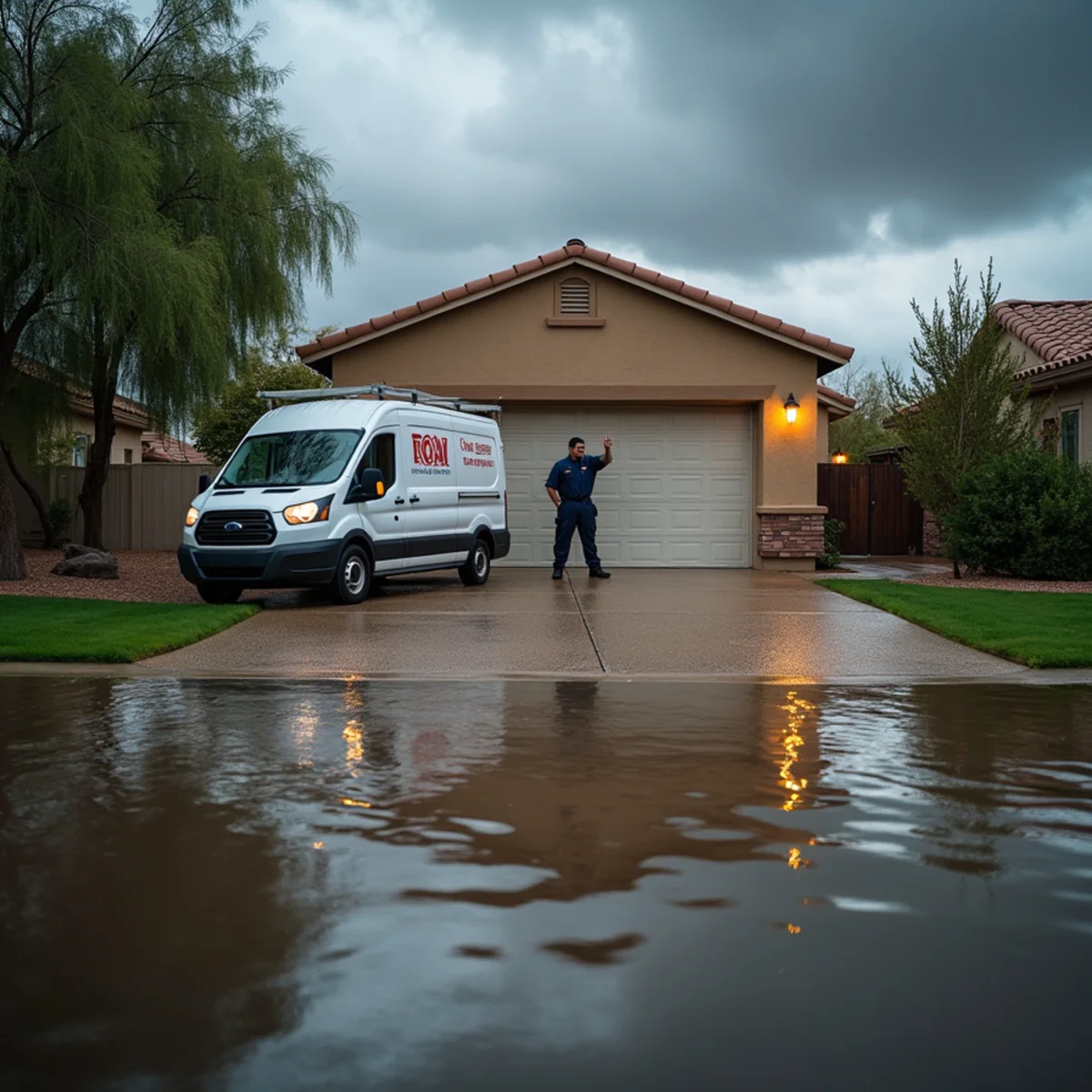
A slab leak is really two jobs. A plumber fixes or reroutes the pipe — the part you usually pay for. Then a restoration crew handles the covered part: extracting the water, drying the slab and wall cavities, and rebuilding. We work the second half every week, and we coordinate the paperwork so your water damage restoration claim and the plumber's invoice line up cleanly for the adjuster.
How a slab leak claim usually unfolds
Knowing the order keeps the paperwork clean. Most covered slab leak claims move through the same five steps:
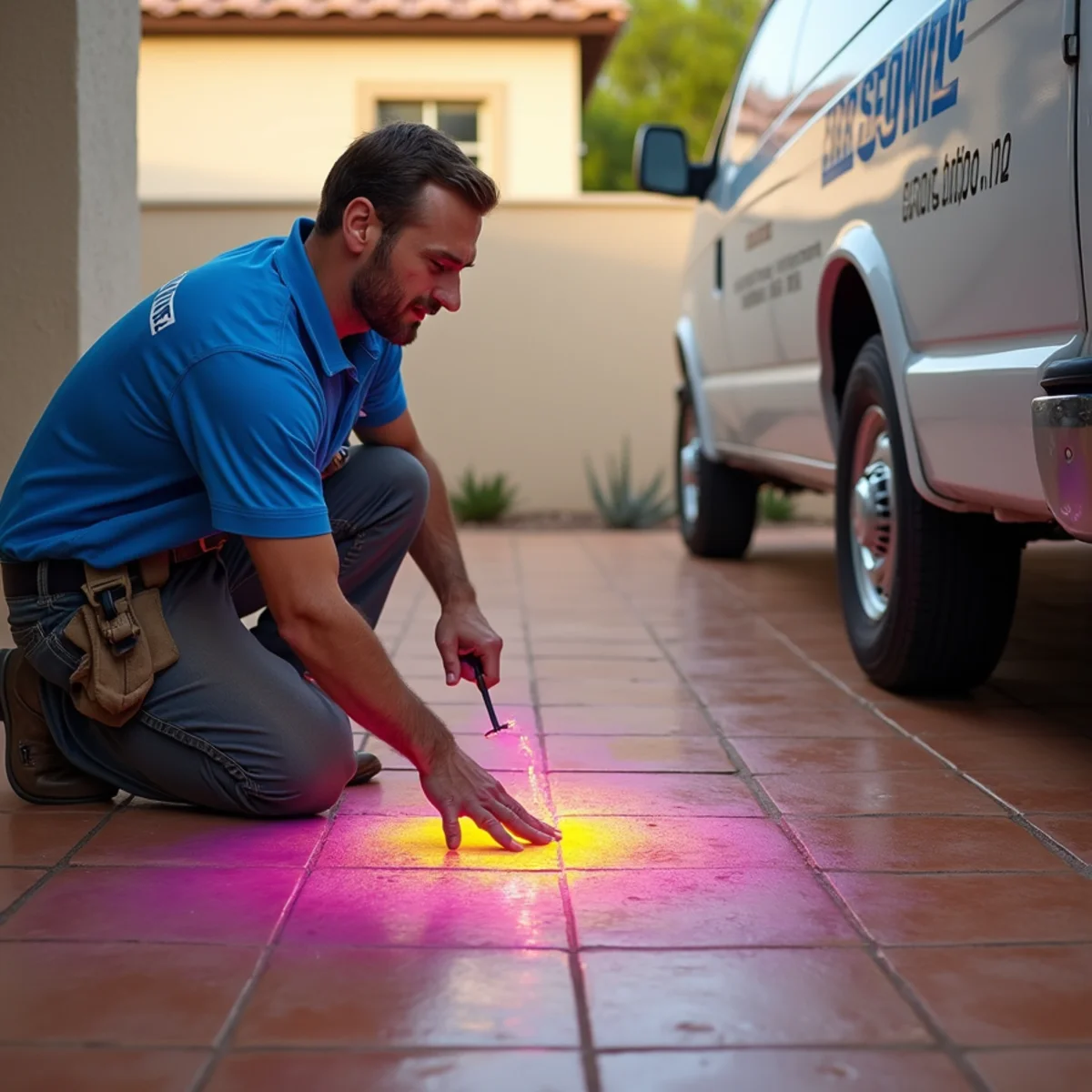
- Detection — a plumber confirms the leak is under the slab and pinpoints it, and that report becomes your proof of cause.
- Mitigation — a restoration crew stops the spread, extracts the water, and starts drying, all documented for the adjuster.
- Claim — you file with the water damage, the leak report, and your photos, framing the loss as sudden and accidental.
- Repair — the plumber fixes or reroutes the pipe, the part you typically pay out of pocket.
- Rebuild — the covered reconstruction puts flooring, drywall, and baseboards back.
One more judgment call: whether to file at all. If the water damage is minor and close to your deductible, paying out of pocket can cost less than a claim and a possible premium bump. When the damage is significant, the covered portion usually far outweighs the deductible, and filing is the clear move.
What to do first
If you think you have a slab leak, shut off the water, call a plumber for leak detection, and start the drying fast. If you want the water damage handled right and documented for your claim, our Tempe crew answers the phone at any hour at (866) 688-0301. Do not wait for the floor to buckle — sudden becomes gradual the longer it sits, and that is the difference between a paid claim and a denied one.
Frequently Asked Questions
It usually covers the resulting water damage and often the cost to access the pipe through the slab, but not the plumbing repair itself or the slab repair. The failed pipe is treated as maintenance and excluded.
The leak is the failed pipe — your responsibility to fix. The damage is what the escaped water ruined, like flooring, drywall, and baseboards, which a standard policy typically covers if the leak was sudden.
Most often because the insurer decides the damage was gradual — a slow leak you knew about and left. Sudden, accidental leaks are covered; long-term seepage is the classic exclusion. Fast action and good documentation protect you.
Photos and video of the water damage, the plumber's leak-detection report, receipts, the date you discovered it, and daily moisture readings from the drying crew. Keep ruined materials until the adjuster has seen them.
Need Help With This in Person?
Our local crew handles it 24/7. Explore the related services and areas below, or just call (866) 688-0301.