Tempe Town Lake is one of the most photographed spots in the East Valley, a sheet of blue water in the middle of the desert. Most people never think about what is holding it there. In 2010, a lot of them found out. One of the rubber bladder dams that pen the lake at its west end burst, and the water it was holding rushed down into the normally dry Salt River channel below.
No one wants to imagine the lake letting go. But the 2010 failure is a useful, if uncomfortable, reminder. If your home sits in the Salt River corridor, you live near a waterway that is dry most of the year and very much not dry the rest of the time. Understanding that risk is the difference between being surprised and being ready.
The day the bladder let go
The dam that shapes Tempe Town Lake was not a wall of concrete. For years it used inflatable rubber bladders, essentially giant reinforced tubes filled with water and air, to hold back the lake. Arizona sun is punishing on rubber. In the summer of 2010, a west-end bladder that had spent years baking in the heat gave way and deflated. The lake drained into the riverbed in a hurry, and the dramatic images made the news across the country.
The failure did not flood neighborhoods, and the bladders were later replaced with a steel gate system. But it proved a point that is easy to forget in a desert city. Large volumes of water are stored, moved, and released around us all the time, and the infrastructure that controls them is not immune to age, heat, and failure.
The rebuilt system is monitored and maintained, and the lake is a well-run amenity. That is not really the point for a homeowner. The point is that the water is there, held back by engineering, and engineering has failure modes. Nobody in the corridor needs to lose sleep over the dam. They do need to understand that they live in a low spot next to a channel built to move water, and plan around that fact rather than ignore it.
Why the Salt River bed matters even when it looks dry
The Salt River runs right through the Valley, and for most of the year the stretch through Tempe is a wide, sandy, empty channel. That emptiness is deceptive. The bed exists to carry water, and it does, whenever conditions line up.
- Upstream dam releases from the Salt River Project system send real flow down the channel
- Heavy monsoon and winter storms can fill the bed quickly
- A structure failure, like the 2010 bladder burst, can put water into the channel with little warning
- Homes and yards nearest the corridor sit lowest, so they feel any high water first
Who lives in the flood corridor
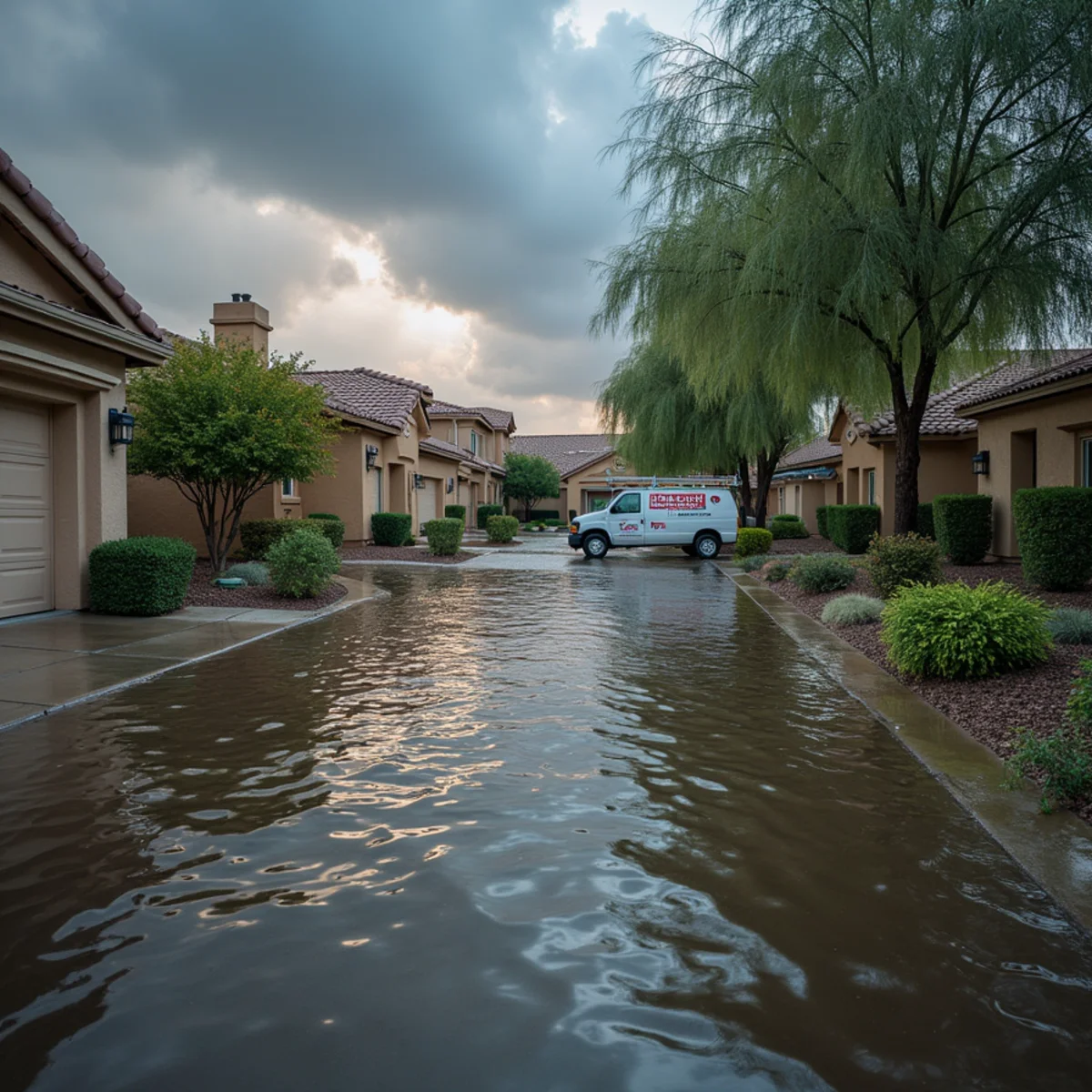
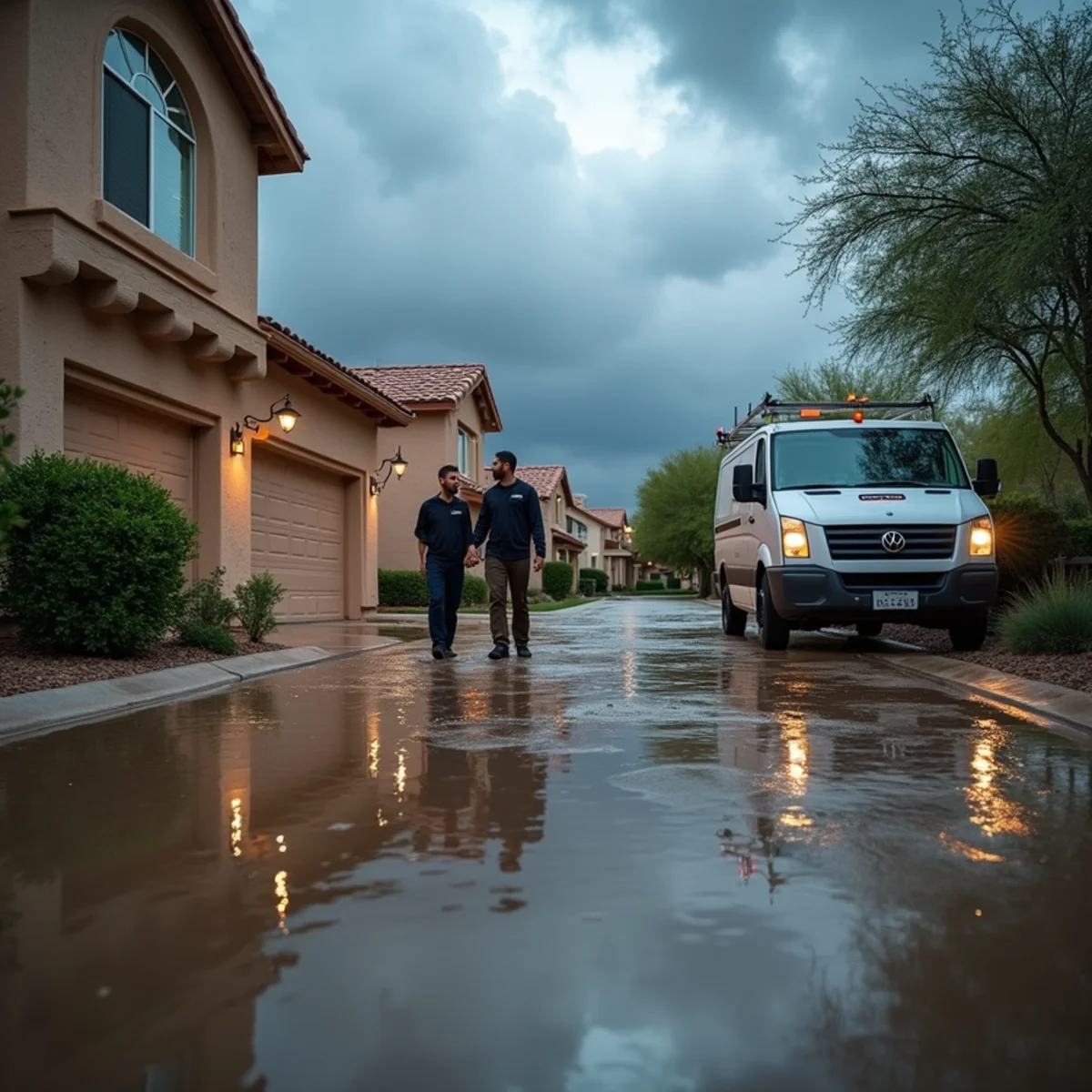
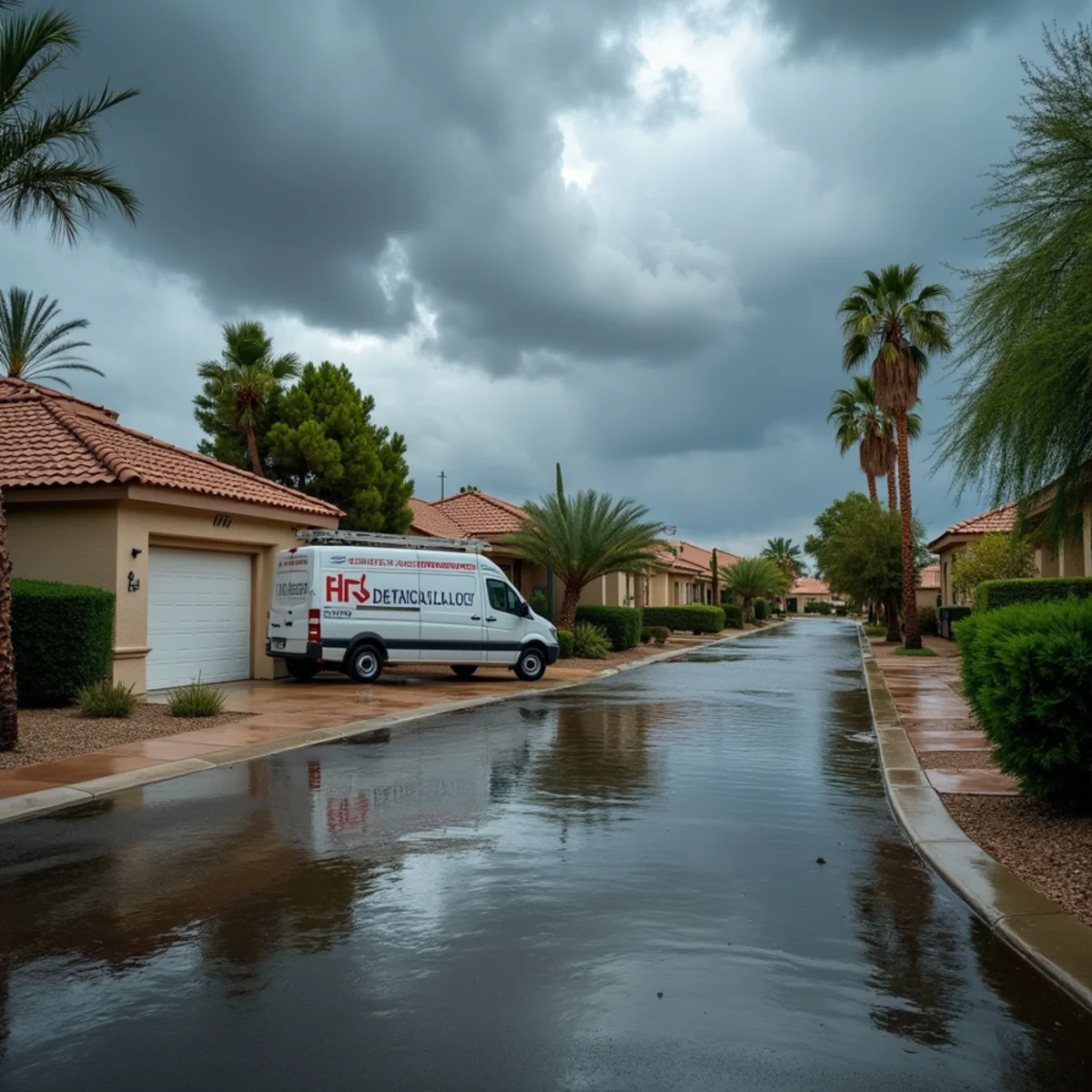
The neighborhoods closest to the river, including the Papago Park and Riverside area, enjoy the parks, the paths, and the water views. They also sit on the lowest ground in this part of Tempe. When the river carries water and the ground table rises, low-lying homes are the ones that see seepage through slabs, damp garage floors, and water pushing up rather than in.
Why river-corridor flooding hits a home differently
Floodwater from a river corridor is rarely clean. It carries silt, organic matter, and whatever washed off the surrounding land, which puts it firmly in the contaminated categories. That changes the whole response. You are not just drying a floor. You are removing porous materials that soaked up dirty water, cleaning and sanitizing what remains, and then drying the structure down to a verified dry standard.
Silt is its own headache. It settles into every low seam and, once it dries, it is a fine grit that grinds into flooring and traps moisture underneath. Getting it out is part of the job, not an afterthought.
How we handle a river-corridor job
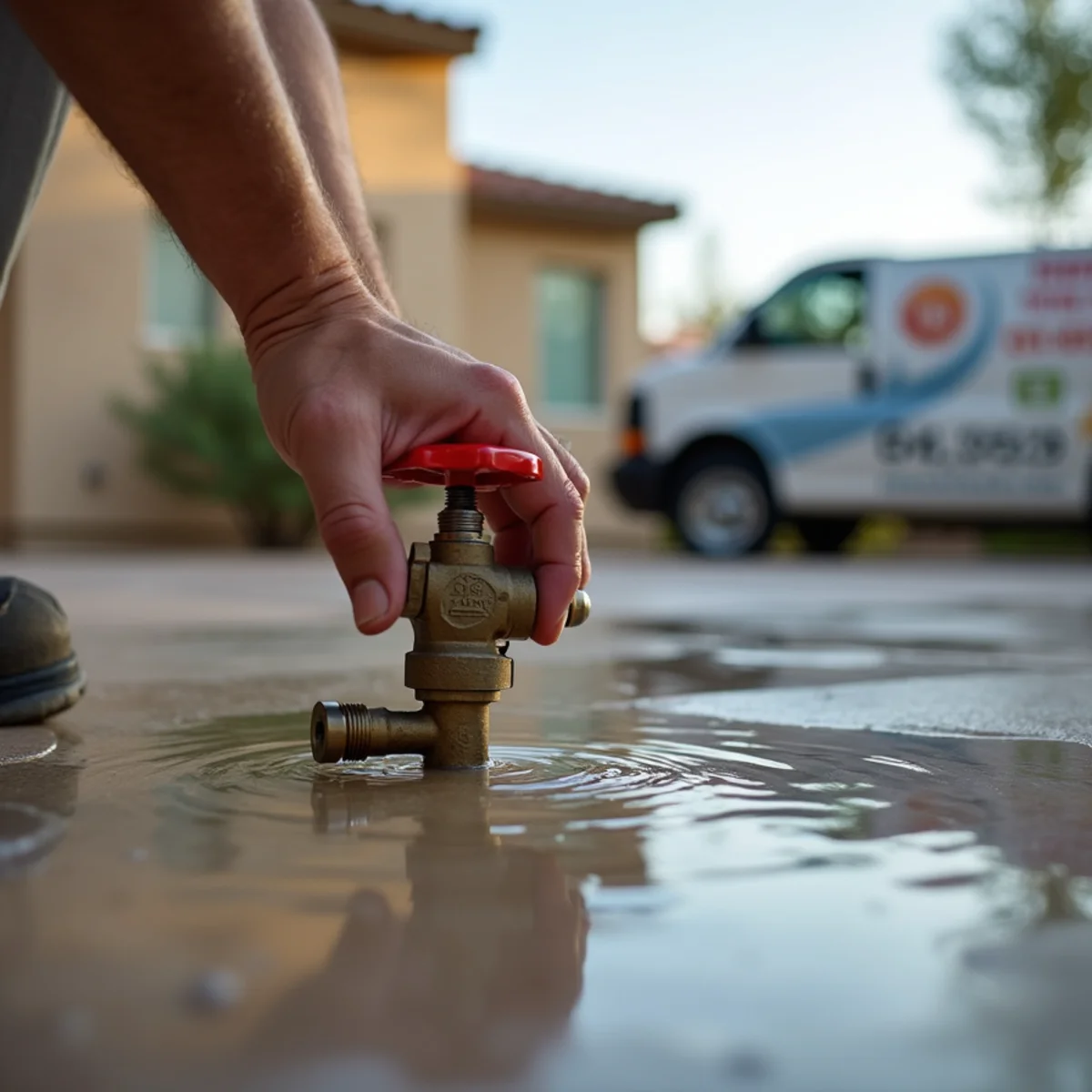
The first move is always removing the water. Standing water keeps feeding the damage, so fast water extraction comes first, followed by muck-out of silt and contaminated materials. Then comes proper structural drying of the slab, the wall cavities, and the framing, monitored with meters until the readings confirm the structure is dry, not just dry to the touch.
- Truck-mounted extraction to pull standing water fast
- Remove and dispose of contaminated carpet, pad, and soaked drywall
- Shovel and rinse out settled silt before it dries in place
- Set commercial air movers and dehumidifiers to dry the slab and framing
- Monitor with moisture meters daily until readings hit a documented dry standard
For a corridor home, professional flood cleanup is not optional. The combination of contaminated water, silt, and a rising water table is exactly the situation where a do-it-yourself dry-out leaves hidden moisture behind and mold shows up a week later.
Lowering your risk near the river
You cannot move the Salt River, but you can respect it. Know your elevation relative to the channel. Keep the ground sloping away from the house. Watch for early signs of a high water table, like persistent damp concrete or efflorescence, and act on them. And if water does get in, call a crew that runs 24/7 and knows how river-corridor jobs differ from a simple pipe leak. Our W Auto Dr base is a short drive from the Papago Park side of Tempe, and we treat these homes with the extra steps their location demands.
Frequently Asked Questions
The 2010 bladder burst drained the lake into the dry Salt River channel below the dam rather than into neighborhoods, and no major residential flooding resulted. The bladders were later replaced with a steel gate system. It remains a clear reminder of the water infrastructure around us.
The inflatable rubber bladders that held back the lake spent years exposed to intense Arizona sun and heat, which degrades rubber over time. A west-end bladder failed and deflated in the summer of 2010, releasing the water it was holding.
Homes closest to the Salt River corridor sit on the lowest ground in the area and can see surface flooding during major storms or dam releases, plus seepage from a high water table. Knowing your elevation and watching for damp slab signs is worth doing.
River water carries silt and contamination, so it is treated as gray or black water. The response includes removing soaked porous materials, shoveling out silt, and sanitizing, not just drying, which is why professional extraction and cleanup matters.
Need Help With This in Person?
Our local crew handles it 24/7. Explore the related services and areas below, or just call (866) 688-0301.