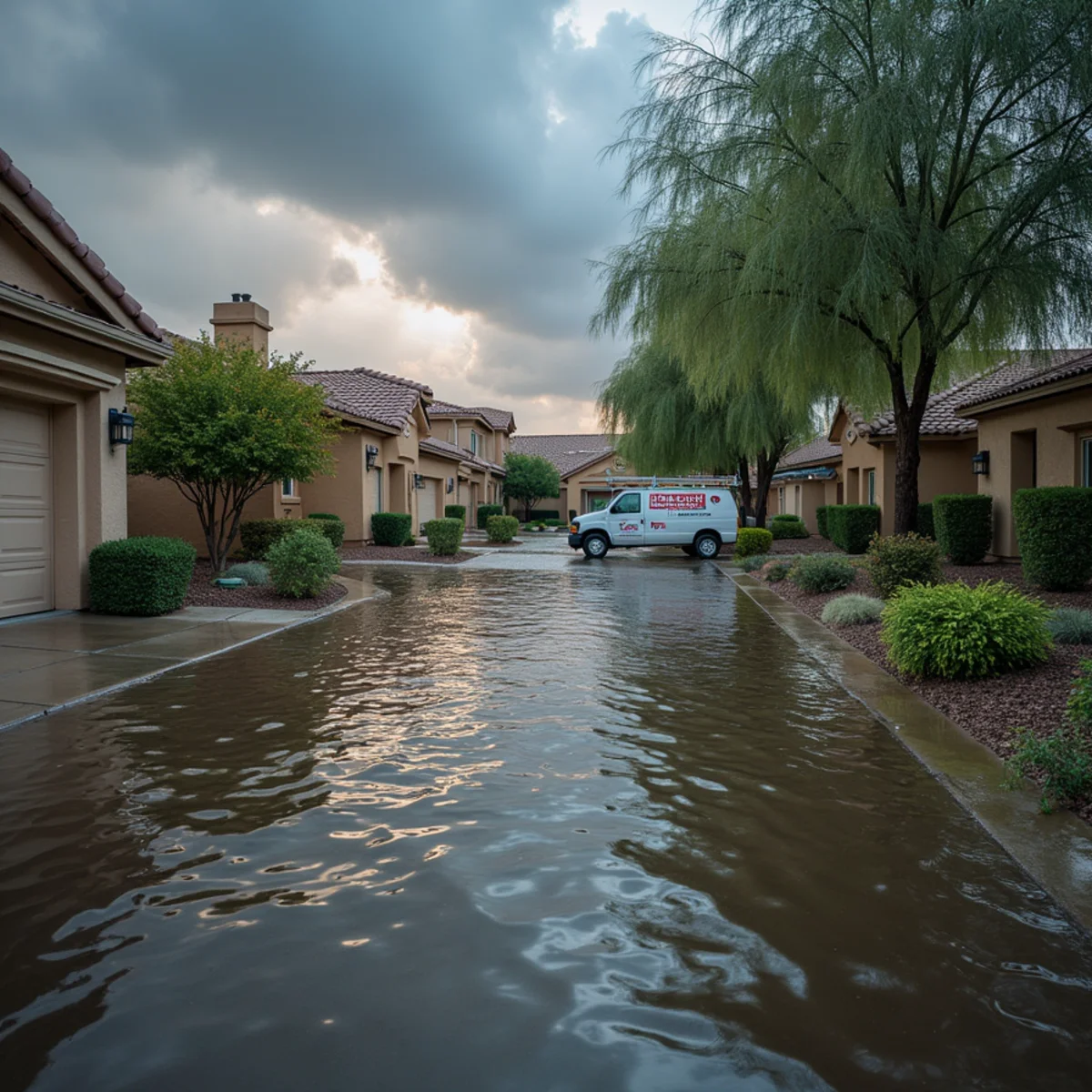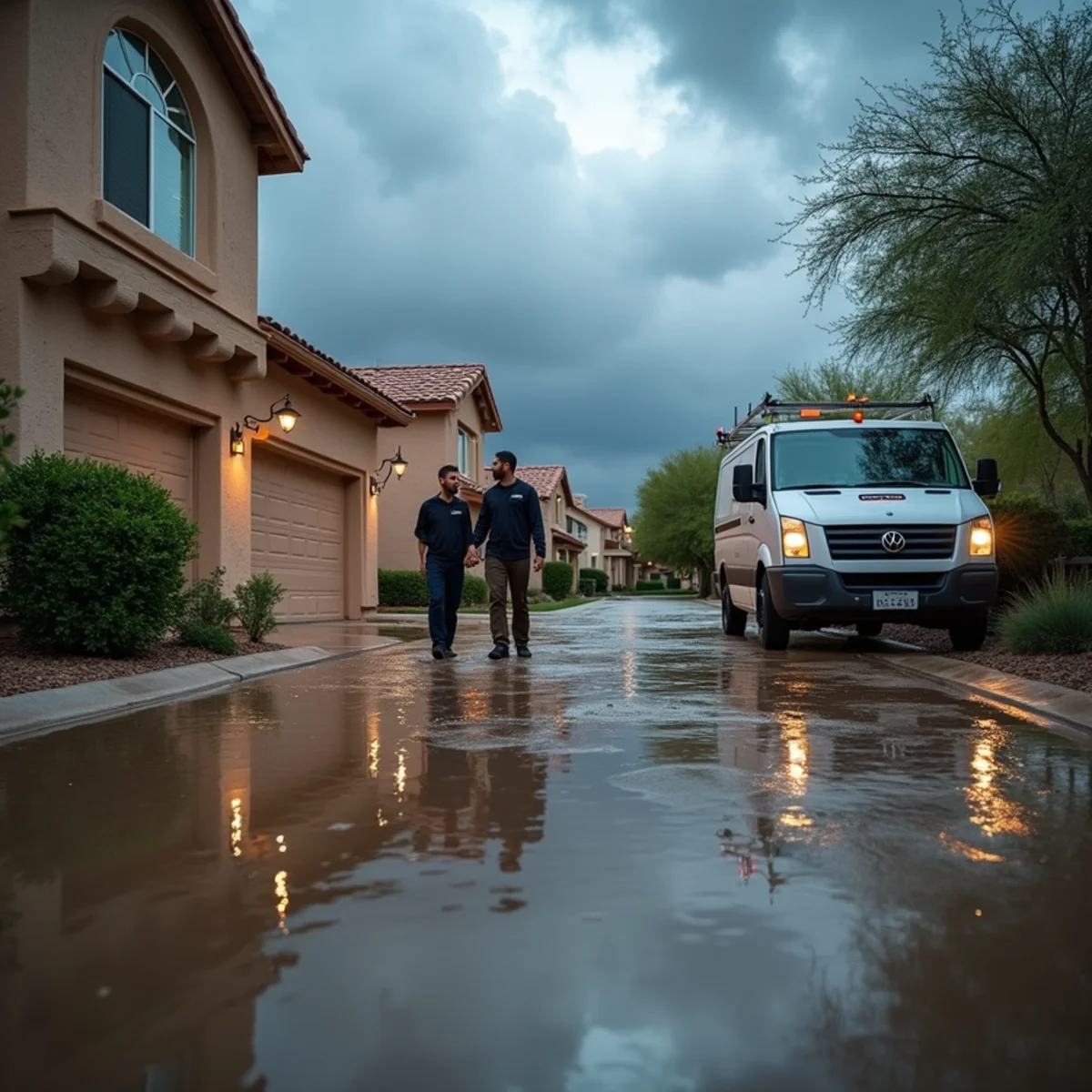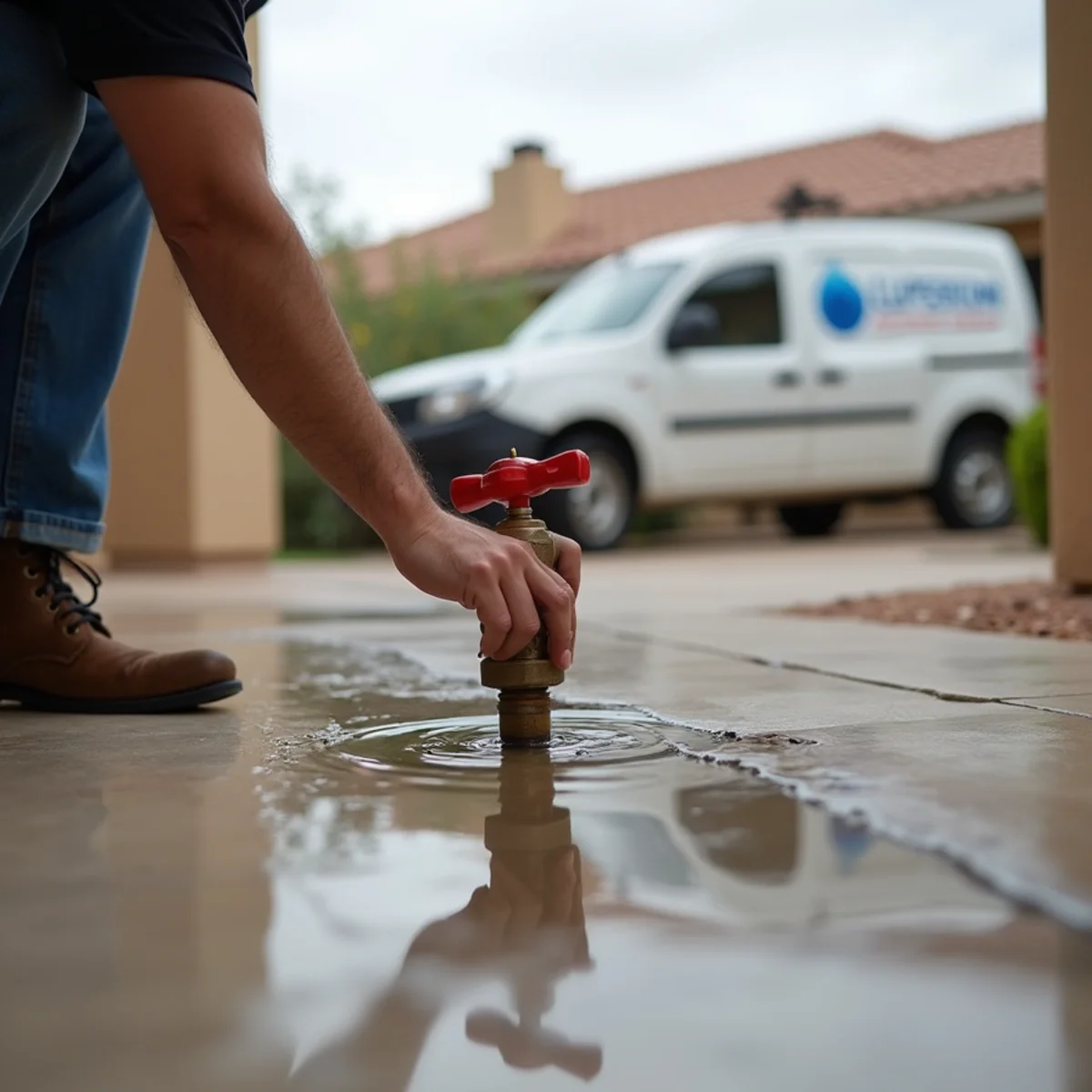
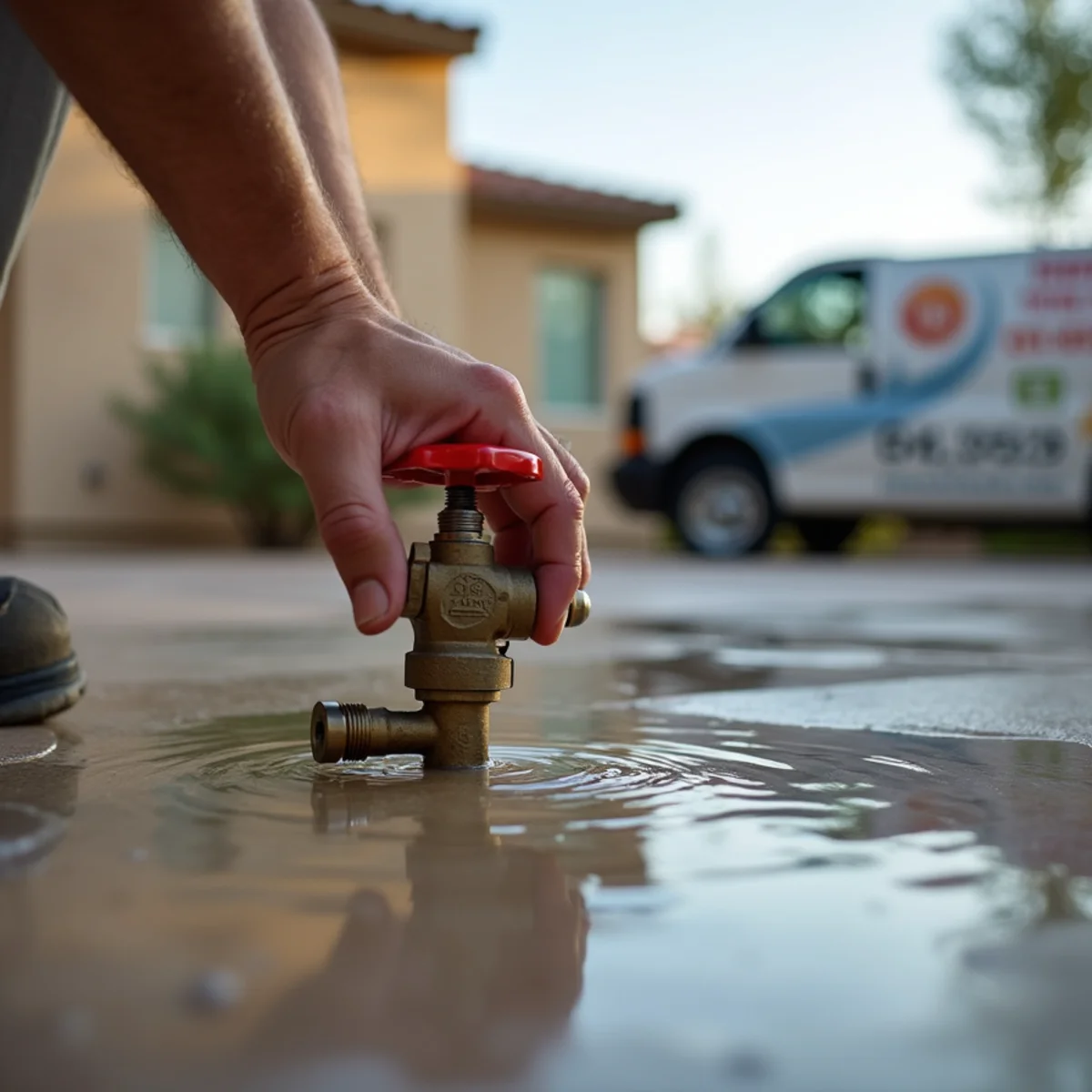
Tempe is not exactly known for its winters. Most of the year, the idea of a frozen pipe here sounds like a joke. Then a cold front drops in around the holidays, the overnight low dips below freezing for a few hours, and homeowners who never gave it a thought wake up to a split hose bib and water running down an exterior wall.
The reason a rare freeze does real damage in the desert is simple. Nobody here builds or insulates for cold. The exposed plumbing that would be buttoned up tight in a cold climate sits out in the open all over Tempe, and it only takes one hard night to find the weak spot. A little preparation before the cold snap is all it takes to avoid the mess.
Yes, Tempe freezes, just not often
We get a handful of nights each winter where the temperature drops below freezing, usually for a few hours before dawn. It does not last, and the days warm right back up. But water does not need a long freeze to cause trouble. It only needs to freeze once, in the wrong pipe, to expand and split the metal or plastic holding it.
Why our homes are caught off guard
In a cold climate, outdoor faucets are frost-proof, backflow assemblies are wrapped or drained, and exposed pipe is insulated as a matter of course. Here, none of that is standard. Builders across neighborhoods like Sandahl put in ordinary hose bibs and left irrigation and pool plumbing exposed, because for most of the year that is completely fine. The vulnerability only appears on the rare night the temperature cooperates.
There is a second trap. Because a freeze is so rare here, most homeowners have never located the shut-off for their irrigation system or their pool equipment, and have never wrapped a single pipe. When the cold night finally comes, they are learning their own outdoor plumbing for the first time, in the dark, after the damage is done. Ten minutes of familiarity on a calm evening beats scrambling at dawn with water already spraying.
What actually freezes and splits
It is almost always the outdoor plumbing, the parts exposed to the night air with no heat from the house to protect them.
- Hose bibs and outdoor faucets, especially on north-facing walls that never see winter sun
- Backflow preventer assemblies, the brass units that stick up out of the ground for irrigation
- Exposed supply lines running along exterior walls or through an unheated garage
- Pool and spa equipment, including pump housings and the plumbing around them
- Drip and irrigation lines left charged with water through a freeze
How to protect it before the cold snap
Freeze protection here is not a whole-season project. It is a one-evening task on the few nights the forecast calls for a hard low.
- Disconnect garden hoses so water can drain from the hose bib instead of sitting in it
- Cover hose bibs with an insulated faucet cover or, in a pinch, a towel and a plastic bag
- Wrap backflow assemblies and any exposed pipe with insulation or heat tape
- Set your pool pump to run through the coldest overnight hours, since moving water resists freezing
- If a pipe runs through an unheated garage, keep the garage door closed and let an interior faucet drip
That is the whole list. Ten minutes on the rare cold evening saves you from the repair that follows a split line.
The thaw is when you find out
Here is the sneaky part. A frozen pipe often does not leak while it is frozen, because the ice itself is plugging the split. The water starts flowing when everything thaws the next morning, sometimes while you are at work. That is why a freeze-damaged hose bib or backflow can dump water for hours before anyone notices, and why the damage can reach a wall or garage before you are even aware there was a problem.
This delayed failure is also why freeze damage often gets blamed on something else. You find water at the base of a wall or a wet garage floor and assume a slab leak or a failed appliance. The tell is timing. If it shows up the morning after the first hard freeze of the year, check your outdoor plumbing first, because that is almost always where it started.
When a line has already split
If you find water running from a burst outdoor line, shut off the water at the main valve first, then deal with the cleanup. If the split fed water into the house, the garage, or down inside a wall, treat it like any sudden pipe failure and call for burst pipe emergency help. The fundamentals are the same as any rupture, and our guide on what to do when a pipe bursts lays out the first-hour steps.
Water that has soaked into drywall, framing, or a slab does not dry on its own, and a frozen-then-burst line can release a surprising amount before it is caught. Professional water damage restoration gets the moisture out of the structure and dries it properly, so a one-night freeze does not turn into a mold problem in the weeks that follow.
A hard freeze in Tempe is rare enough that it is easy to ignore, and expensive enough that you should not. Watch the forecast in December and January, spend ten minutes on the cold nights, and you will sleep through the freeze your neighbor is mopping up.
Frequently Asked Questions
Yes, on a handful of nights each winter the overnight low dips below freezing for a few hours. That is enough to freeze and split exposed outdoor plumbing like hose bibs and backflow assemblies, especially since homes here are not built with freeze protection.
Hose bibs on north walls, brass backflow preventer assemblies that stick up for irrigation, exposed pipe along exterior walls or in unheated garages, and pool equipment are the usual casualties. They sit in the open with no heat from the house to protect them.
The ice inside a split pipe can plug the crack while frozen. Once it thaws, water flows freely through the split, so the leak often appears the morning after a freeze, sometimes running for hours before anyone notices.
Wrap the backflow assembly and any exposed pipe with insulation or heat tape, cover hose bibs, disconnect hoses, and run the pool pump through the coldest hours since moving water resists freezing. Doing it on forecast cold nights is enough.
Need Help With This in Person?
Our local crew handles it 24/7. Explore the related services and areas below, or just call (866) 688-0301.