A burst pipe does not wait for a convenient time. It happens at 2 a.m., or while you are at work, and it can put hundreds of gallons of water on your floor before you fully understand what is happening. What you do in the first 60 minutes decides how much of your home you save — and how big the repair bill gets.
Here is the exact order of operations, from a crew that has walked into a lot of Tempe living rooms with water still moving across the floor.
Minute 1–5: Shut off the water at the main valve
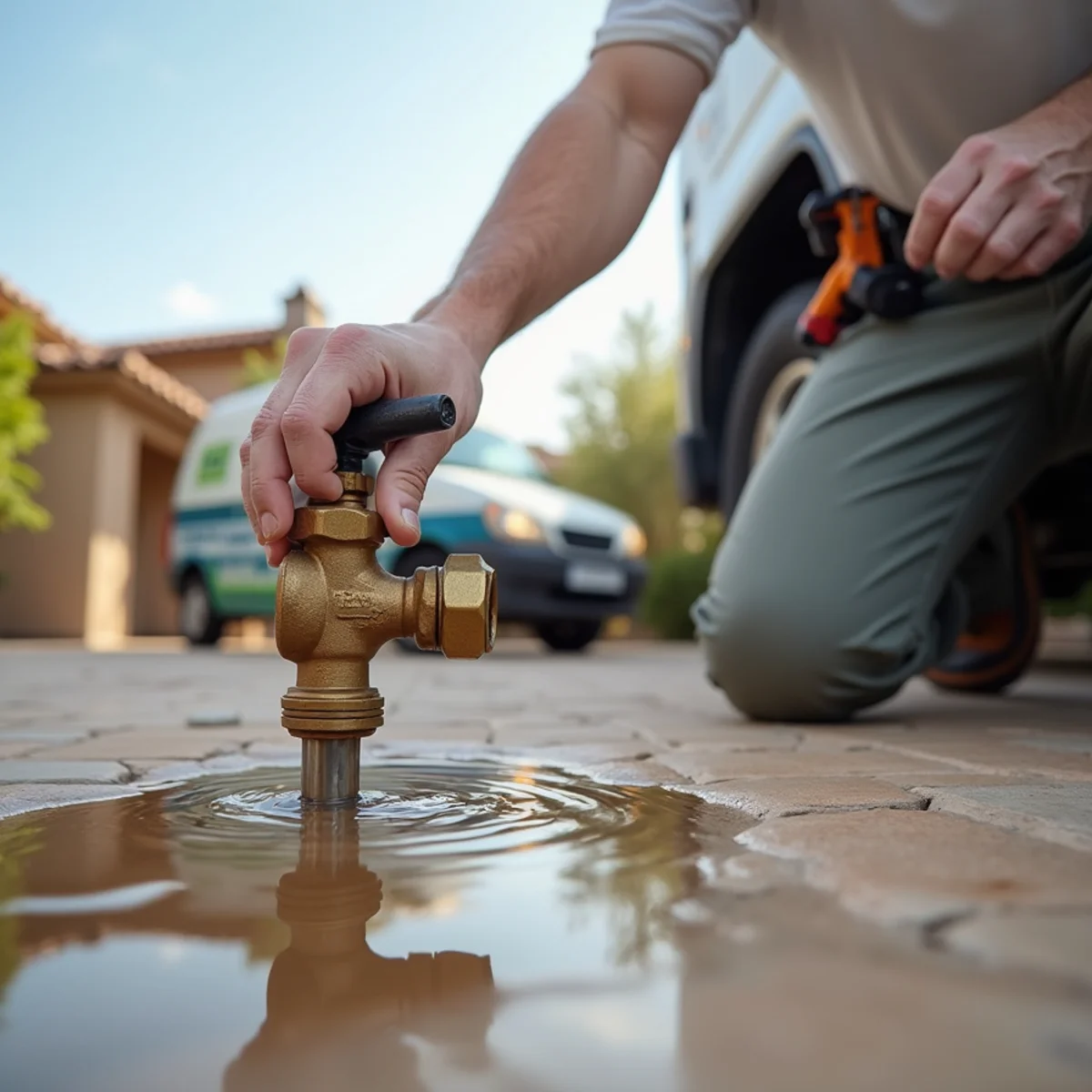
Everything starts here. Until the water is off, nothing else you do matters, because the source keeps feeding the flood. Find your main shut-off valve — in many Tempe homes it is near the front hose bib, in the garage, or at the water meter by the street — and turn it clockwise until it stops.
Minute 5–10: Kill the power to affected areas
Water and electricity are a deadly combination. If water is near outlets, appliances, or your electrical panel — and you can reach the breaker safely without standing in water — shut off power to the affected rooms. If you cannot get to the panel without walking through water, stop and call an electrician or wait for the pros. No floor is worth a shock.
Minute 10–25: Document everything before you clean
Your insurer will want proof, and memories do not count. Before you move a single thing, take photos and video of every affected area: the standing water, the source if you can see it, soaked furniture, wet walls, and any damaged belongings.
- Wide shots of each affected room
- Close-ups of the failed pipe or fitting
- Water levels against walls and furniture
- Serial numbers or labels on damaged appliances
Sudden, accidental water damage from a burst pipe is typically covered by a standard homeowners policy, and emergency mitigation is usually covered even when the full repair is still being negotiated. Good documentation is what makes that claim go smoothly. For a deeper walk-through, see our guide on documenting a water damage claim.
Minute 25–40: Stop the spread
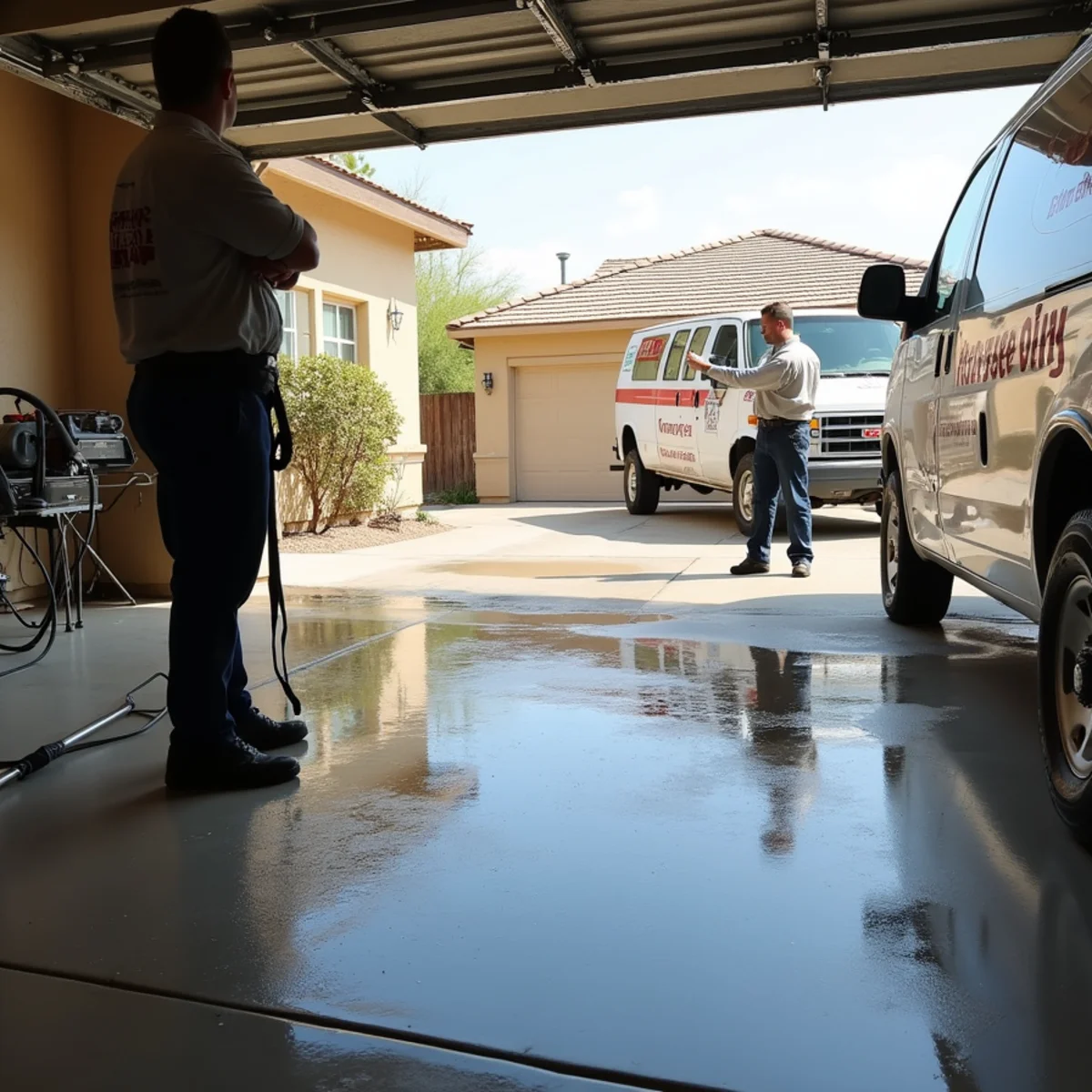
Now you can start protecting what is not ruined yet. Move furniture, rugs, electronics, and valuables to a dry area. Lift the skirts of upholstered furniture off wet carpet. Put aluminum foil or wood blocks under furniture legs to stop rust and stain transfer. Mop or towel up what you can, but do not exhaust yourself — the real water removal is a job for extraction equipment.
Minute 40–60: Call a local restoration crew
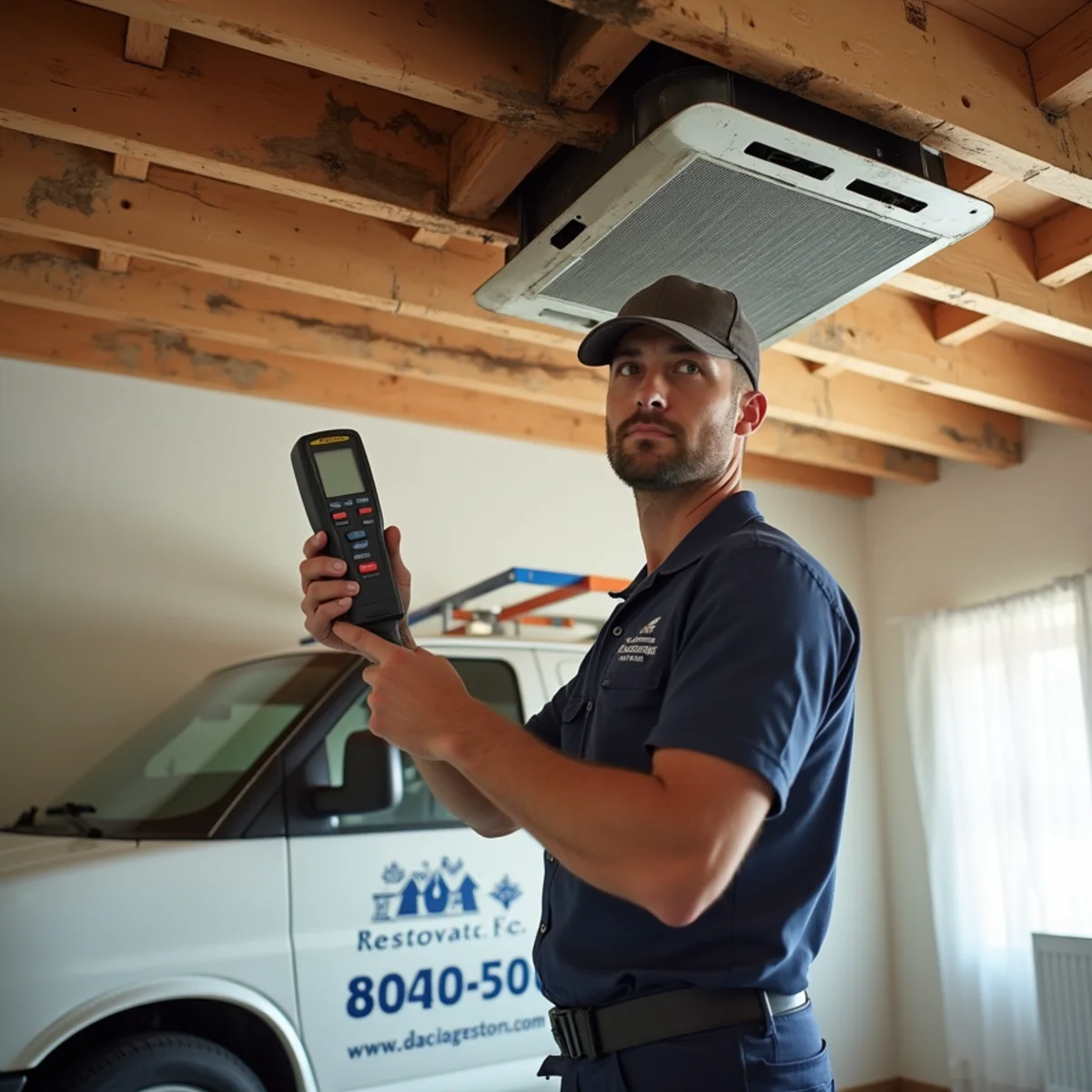
Here is the honest truth: a mop and a box fan will not dry the water that soaked into your subfloor, wall cavities, and the pad under your carpet. That hidden moisture is exactly what turns a one-day problem into a mold remediation job. This is the point to call for professional burst pipe emergency cleanup.
A local crew brings truck-mounted extraction, commercial drying equipment, and moisture meters that find the water you cannot see. If you are in Tempe, our base off W Auto Dr means a crew is usually minutes away — see our Tempe service area for how we cover the city 24/7.
What NOT to do
- Do not use a household vacuum to suck up water — it is an electrocution risk and it is not built for it.
- Do not wait until morning to start drying. The overnight hours are when a savable floor becomes a replaceable one.
- Do not throw away damaged items before documenting them for your claim.
- Do not assume the surface being dry means the structure is dry — it rarely is.
Why burst pipes happen in Tempe
Older Tempe homes near ASU and the historic districts often still run galvanized steel supply lines that corrode from the inside until a section fails. Homes built in the polybutylene window (roughly 1978–1995) carry grey plastic supply lines prone to sudden rupture. Even a rare winter freeze can split an exposed hose bib or backflow line. Knowing your home's plumbing helps you catch trouble early — but when a line lets go, the 60-minute plan above is what protects your home.
Frequently Asked Questions
Call the restoration company first to stop the damage — emergency mitigation is time-sensitive and usually covered by your policy anyway. Then open your insurance claim. Fast mitigation actually strengthens your claim by limiting the loss.
You can handle a very small, quickly-caught spill. But box fans do not remove the water that soaks into subfloors, wall cavities, and carpet pad — and that hidden moisture is what causes mold and warping. For anything beyond a minor spill, professional extraction and drying is the safer call.
We aim for a 60-minute response across Tempe, 24 hours a day. Our base is on W Auto Dr near the I-10 Broadway Curve, so most of the city is only minutes away.
Need Help With This in Person?
Our local crew handles it 24/7. Explore the related services and areas below, or just call (866) 688-0301.