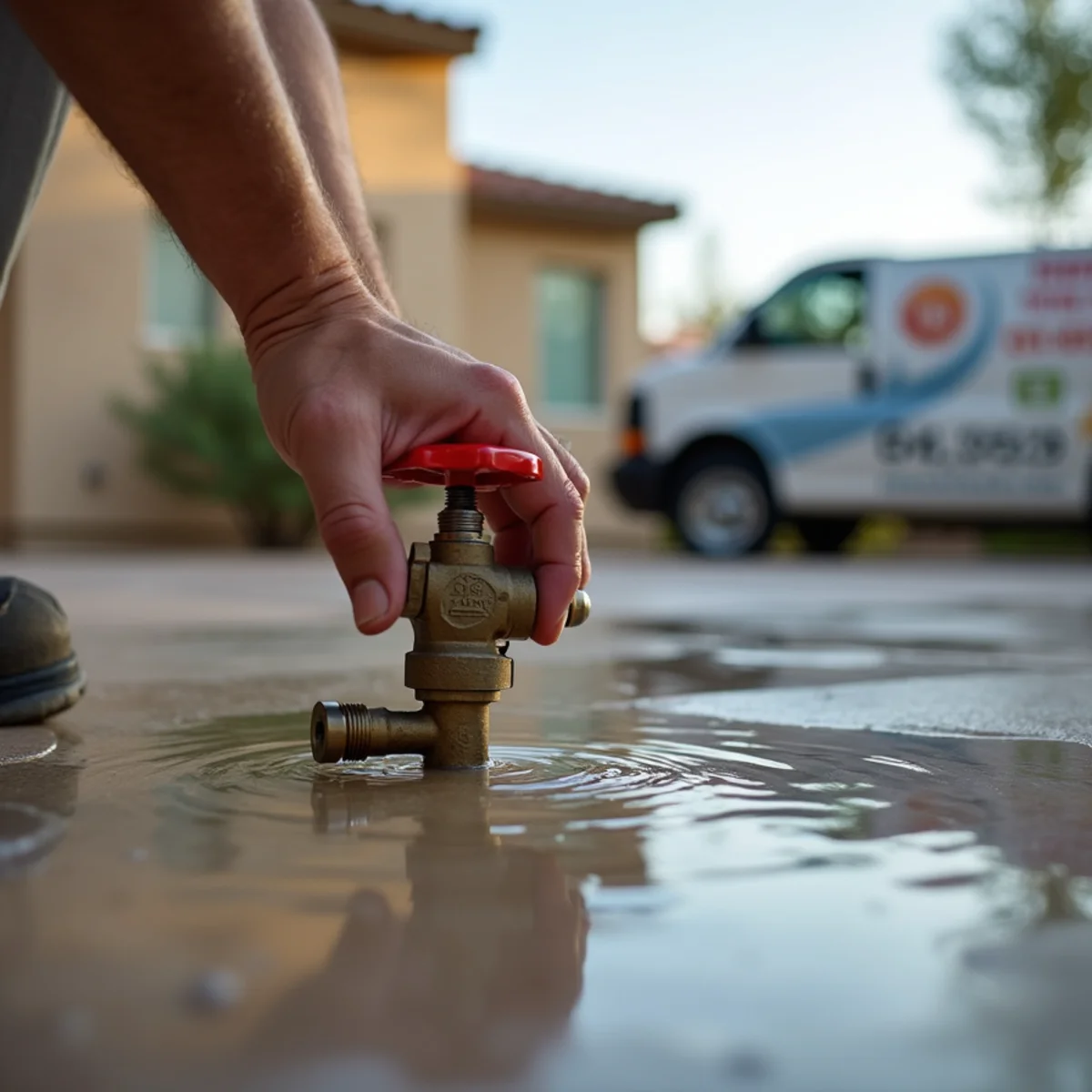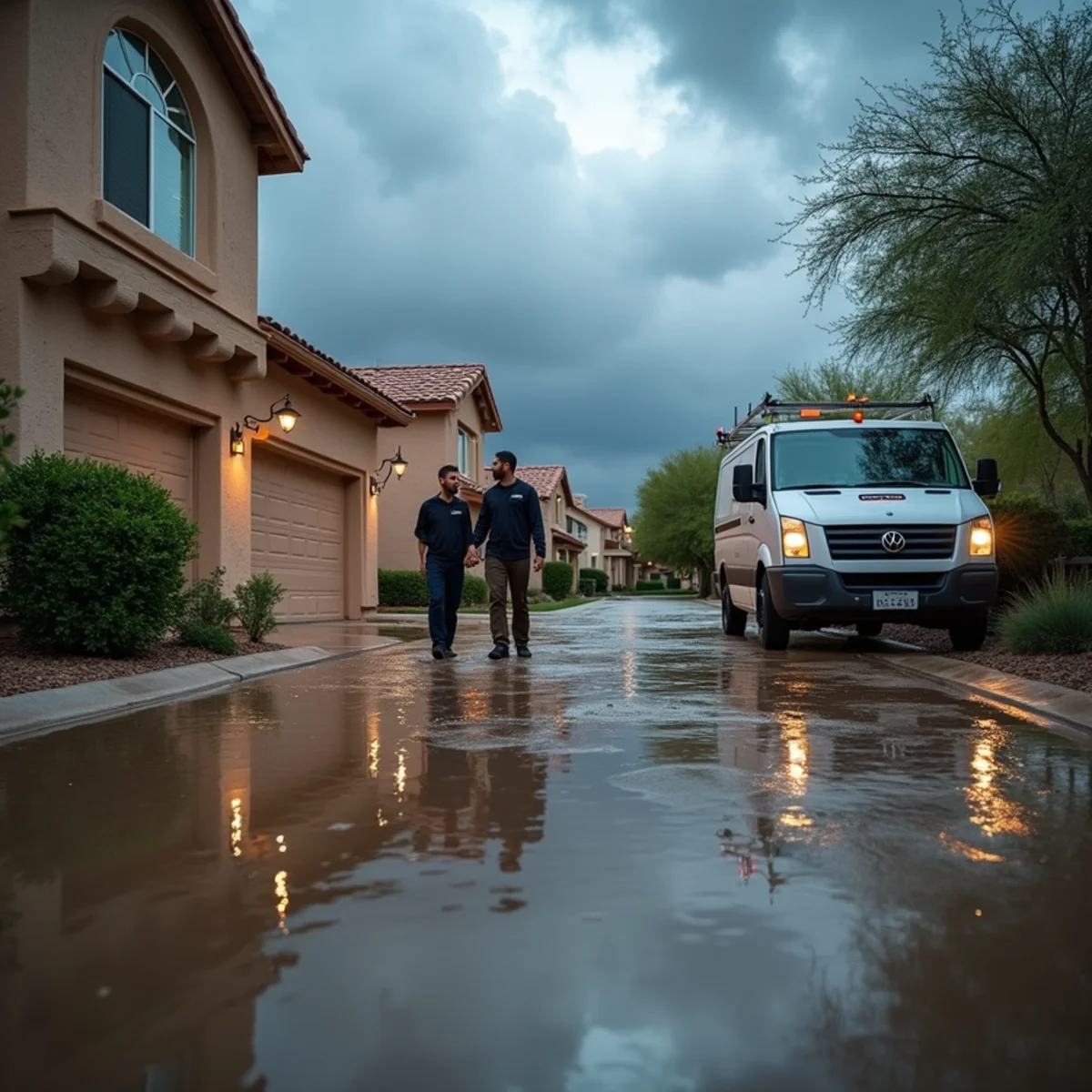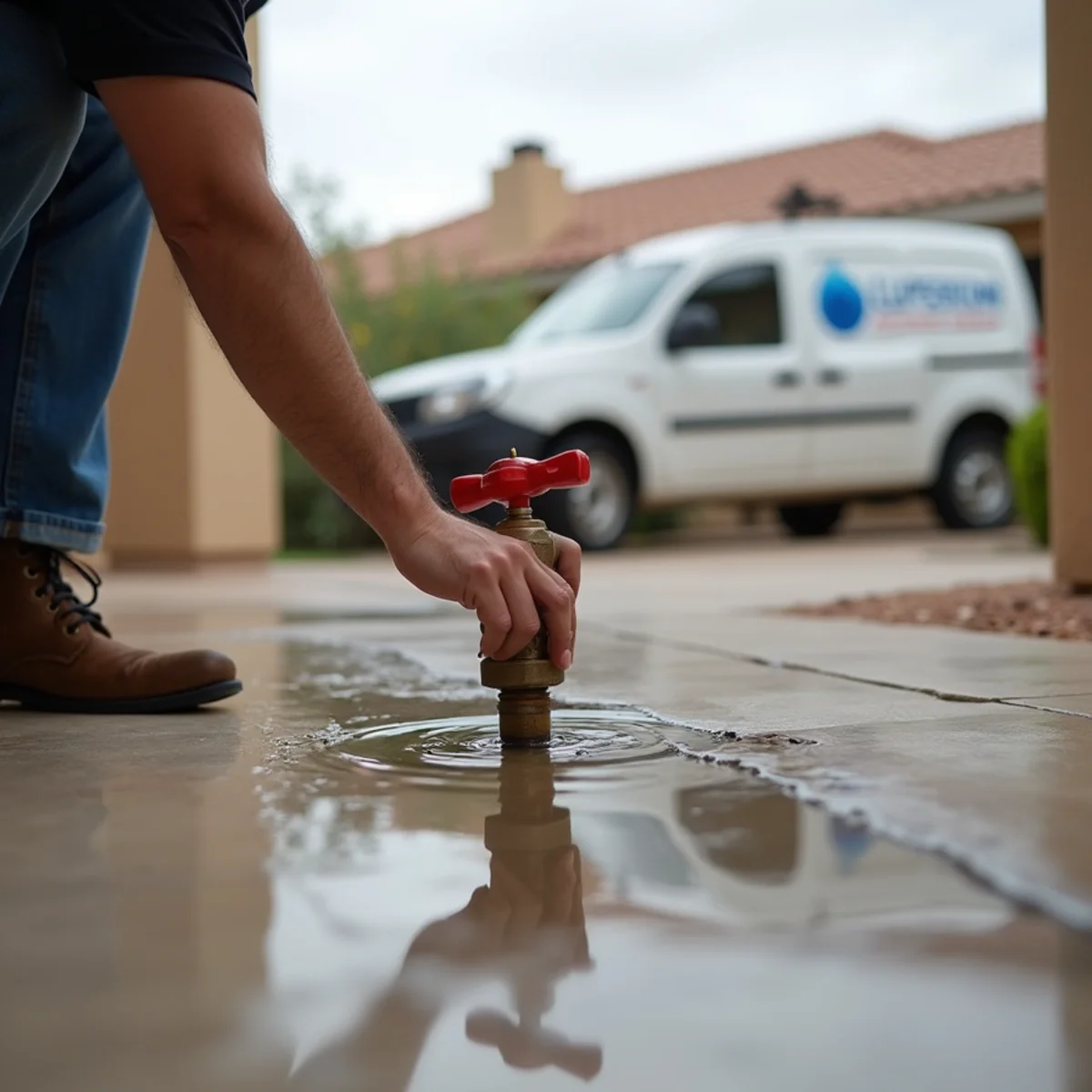
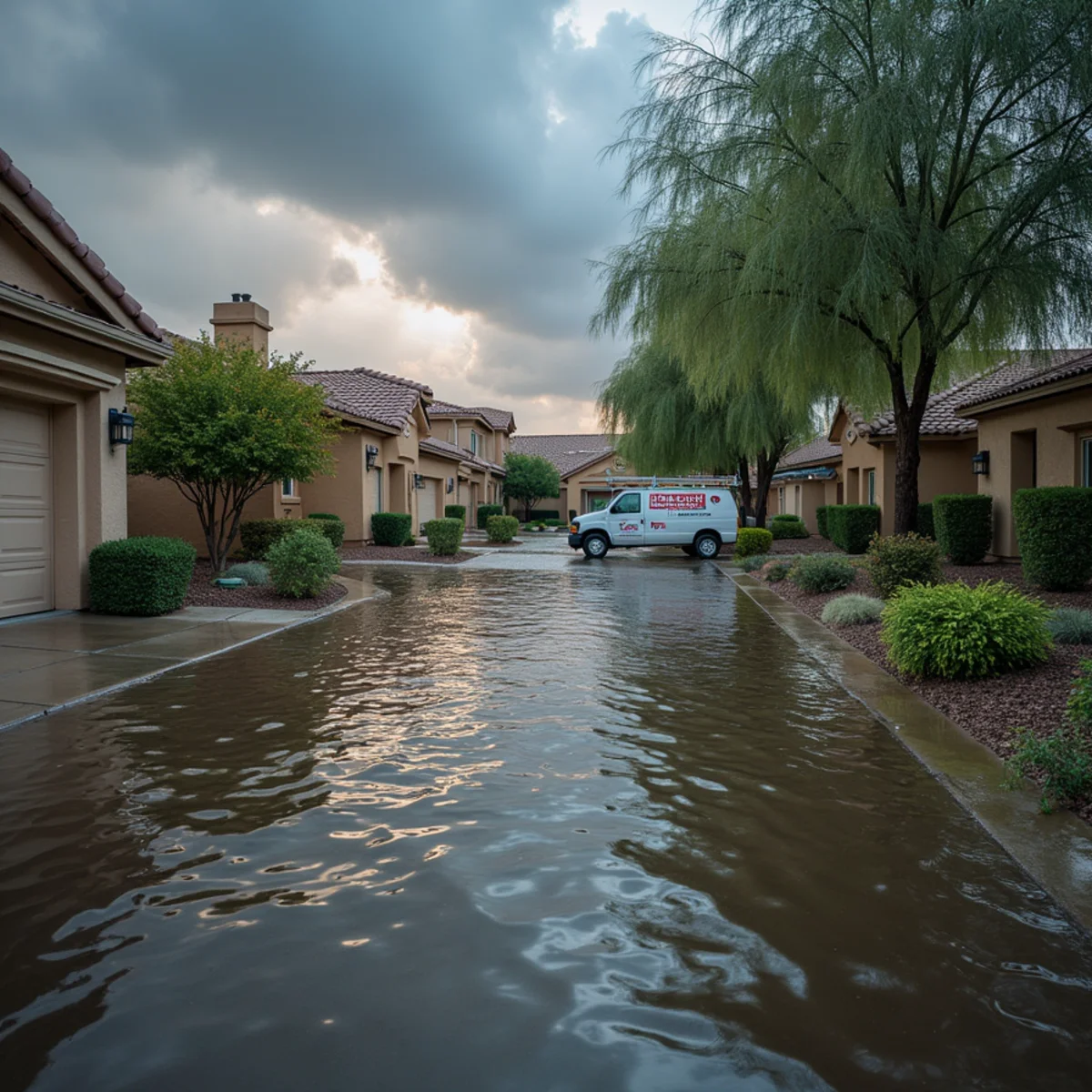
Ahwatukee has a nickname, the Urban Village behind the mountain, and that mountain is the whole story when the monsoon rolls in. South Mountain looms over the community, and its slopes are beautiful, hikeable, and, during a hard summer storm, a giant natural funnel pointing water straight downhill toward the homes at its base.
Rain that falls on a bare desert slope does not soak in. It runs, fast, gathering speed and picking up rock and debris on the way down. For the neighborhoods closest to the mountain, a strong monsoon cell is not just a rainstorm overhead. It is everything that landed on the slope above, arriving all at once.
Why the mountain changes everything
Most flood risk in the Valley comes from flat ground that cannot drain. Ahwatukee has the opposite problem in places. Homes tucked against Ahwatukee's South Mountain edge sit at the bottom of a natural watershed. When a monsoon storm parks over the mountain between June 15 and September 30, gravity does the rest, and the water heads for the lowest ground it can find.
It is worth being precise about what that means. The mountain does not create more rain. It concentrates the rain that falls. Water that would have spread out and slowly soaked into flat desert instead sheets off bare rock, collects in the drainages, and arrives at the bottom as a fast, focused flow. A home on flat ground gets its own rain. A home at the base of the slope can get its own rain plus everything the hillside above it just shed.
Why desert slopes shed water so fast
A rocky, sun-baked mountainside is close to the worst possible surface for absorbing rain. It behaves almost like pavement.
- Bare rock and thin desert soil absorb very little, so most of the rain becomes immediate runoff
- Steep slopes give that runoff speed, so it arrives with force, not as a gentle trickle
- Sparse vegetation means little to slow the water or hold the soil in place
- Natural washes channel the flow straight down toward the neighborhoods at the base
How the runoff reaches your home
The water comes off the mountain and into the built environment through washes, streets, and drainage channels that were designed to handle it, most of the time. During an intense storm, those paths can fill and overflow. Streets become the drainage of last resort, running curb-deep, and the low points, driveways that slope down, homes at the bottom of a street, catch what the system cannot carry.
Retention basins across the community are built to hold a lot of this water, and they do important work. But a truly heavy cell can deliver more than the basins can take in the moment, and the overflow finds the low ground.
What mountain runoff carries with it
This is not clean rainwater by the time it reaches your door. Runoff off the slope carries sand, gravel, rock, and mud, and in a strong flow it can move surprisingly large debris. That sediment is part of what makes foothill flooding such a mess to clean up. It settles into every low spot, packs against the house, and puts the water squarely in the contaminated category, which changes how it has to be handled indoors.
Debris flow is the part people underestimate. In a strong storm the runoff does not just carry fine silt. It rolls gravel and rock, drags branches, and can shove a berm of muck against a garage door. Cleaning up after it is closer to a small excavation than a mopping, which is one more reason it is not a job to tackle with a shop vac and good intentions.
Protecting a home at the base of the mountain
- Learn where the washes and natural drainage paths are around your property and keep them clear
- Grade your lot and driveway so water is directed away from the house and garage
- Keep sandbags on hand during monsoon season if you sit low or near a wash
- Clear debris from yard drains and channels before the season and after each haboob
- Know your route out and never drive into a flowing wash or a flooded street
For the full storm-season routine, our monsoon flood emergency checklist works just as well for an Ahwatukee foothill home as it does across the rest of the Valley.
When the runoff is already inside
If mountain runoff has pushed into your home, move fast and stay safe. Watch for electrical hazards, get people and pets to dry ground, and call for monsoon flood emergency response. Standing floodwater keeps causing damage every minute it sits, and the sediment and contamination mean this is not a mop-and-fan job.
Professional flood cleanup for a runoff-flooded home means extracting the water, shoveling and rinsing out the mud and sediment, removing the porous materials that soaked up contaminated water, and drying the structure to a verified standard. We cover Ahwatukee from our Tempe base 24 hours a day, because a storm behind the mountain does not wait for morning.
You cannot stop the rain from falling on South Mountain. But you can understand that its slopes point downhill toward you, keep your drainage clear, and know who to call the moment the runoff crosses your threshold. In Ahwatukee, respecting the mountain is just part of living at its feet.
Frequently Asked Questions
Much of Ahwatukee sits at the base of South Mountain. Rain that falls on the steep, rocky slopes runs off fast rather than soaking in, and that runoff funnels down through washes and streets toward the homes below, especially during intense monsoon cells.
No. Water running off a mountainside picks up sand, gravel, mud, and debris, which puts it in the contaminated category. That is why runoff flooding needs professional extraction, sediment removal, and sanitizing rather than simply drying in place.
Homes closest to the mountain and at the bottom of sloping streets or near washes catch the most runoff, since they sit at the low end of a natural watershed. Grading, clear drainage paths, and sandbags during monsoon season all help.
Stay safe around electricity, get everyone to dry ground, and call for emergency flood response. Do not drive into flowing washes or flooded streets. The faster standing water is extracted and the sediment removed, the less damage and mold risk you face.
Need Help With This in Person?
Our local crew handles it 24/7. Explore the related services and areas below, or just call (866) 688-0301.