There is a specific gray plastic pipe that makes plumbers wince. If your Tempe or Mesa home went up between the late 1970s and the mid 1990s, there is a real chance it is behind your walls or under your slab right now. It is called polybutylene, and it has a reputation for failing without much warning.
The frustrating part is that it looks fine right up until it does not. Polybutylene can spend years quietly getting brittle from the inside, then let go at a fitting and put water into your home while you are asleep or away. If you own a home from that era, knowing whether you have it, and what to watch for, is one of the highest-value things you can do as a homeowner.
What polybutylene is, and why it was everywhere
Polybutylene, usually shortened to PB, is a flexible plastic pipe that was installed in millions of homes across the country from roughly 1978 to 1995. It was cheap, easy to run, and fast to install, which made it popular during the building booms that filled out the East Valley. In Arizona homes it is most often gray, though it can be other colors, and you will typically spot it coming out of the wall at the water heater or entering the manifold.
Why it fails
The core problem is chemistry. The chlorine and chloramine that municipal systems use to keep drinking water safe react with polybutylene over time. The pipe slowly oxidizes and flakes on the inside, becomes brittle, and loses the flexibility it started with. The failures often begin at the fittings, especially the older acetal plastic fittings, and show up as small leaks or a sudden split.
- Reaction with chlorine and chloramine in treated water breaks the pipe down from the inside
- It grows brittle and micro-cracks form where you cannot see them
- Fittings, particularly older plastic ones, are common first failure points
- Failures are often sudden, which is what makes PB so disruptive
Why the East Valley has so much of it
Timing is everything here. Large parts of Tempe, Mesa, and the surrounding East Valley grew fast during exactly the years polybutylene was the go-to supply line. Neighborhoods like Raintree and many of their peers across Mesa were built when this pipe was standard, so the housing stock and the polybutylene era line up almost perfectly.
That does not mean every home from that period has it. Plenty were built with copper, and some have already been repiped. But the age of the home puts you in the risk pool, and that is reason enough to find out for certain.
When polybutylene runs under a slab
This is the part that raises the stakes in Tempe. Most homes here are slab-on-grade, which means the plumbing can run inside or beneath the concrete. When polybutylene is in the slab and it fails, you do not get a tidy leak under the sink. You get a slab leak, where water escapes under the floor and works its way up through the concrete.
Slab leaks are sneaky. The signs are a warm spot on the floor, an unexplained jump in the water bill, the sound of running water with everything off, or damp flooring with no source in sight. Because the pipe is buried, the water can travel and the damage can spread before you ever see it. If you are trying to sort out whether that describes your home, our post on the signs of a slab leak in older Tempe homes breaks down what to look and listen for.
How to tell if you have it, and what to do
- Check the pipe entering your water heater and the main shut-off for gray flexible plastic
- Look at your inspection paperwork or ask a licensed plumber to identify your supply lines
- Factor in the build year, especially anything from 1978 to 1995
- Watch for repeat small leaks, which can signal a pipe reaching the end of its life
If you confirm polybutylene, the durable fix is a repipe to modern PEX or copper. It is an investment, but it removes the risk for good, and it is a lot cheaper than the water damage a slab failure can cause. Many homeowners phase it in, but if you have already had one PB leak, plan on more.
If a polybutylene line has already burst
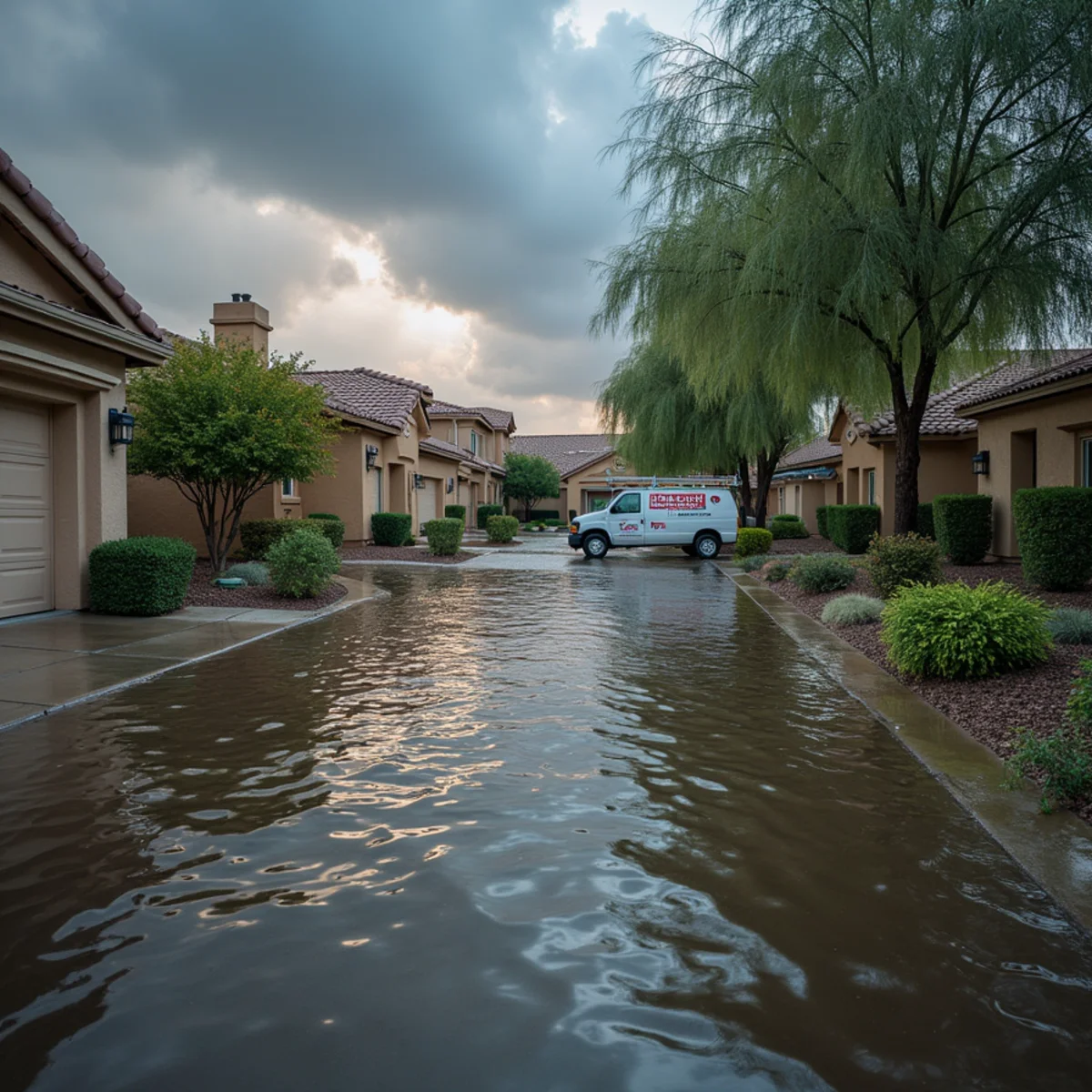
When a PB line lets go, treat it like any burst supply line. The faster the water is extracted and the structure dried, the less of your home you lose. Sudden pipe failures like this are typically covered by homeowners insurance, and fast mitigation actually helps your claim by limiting the damage.
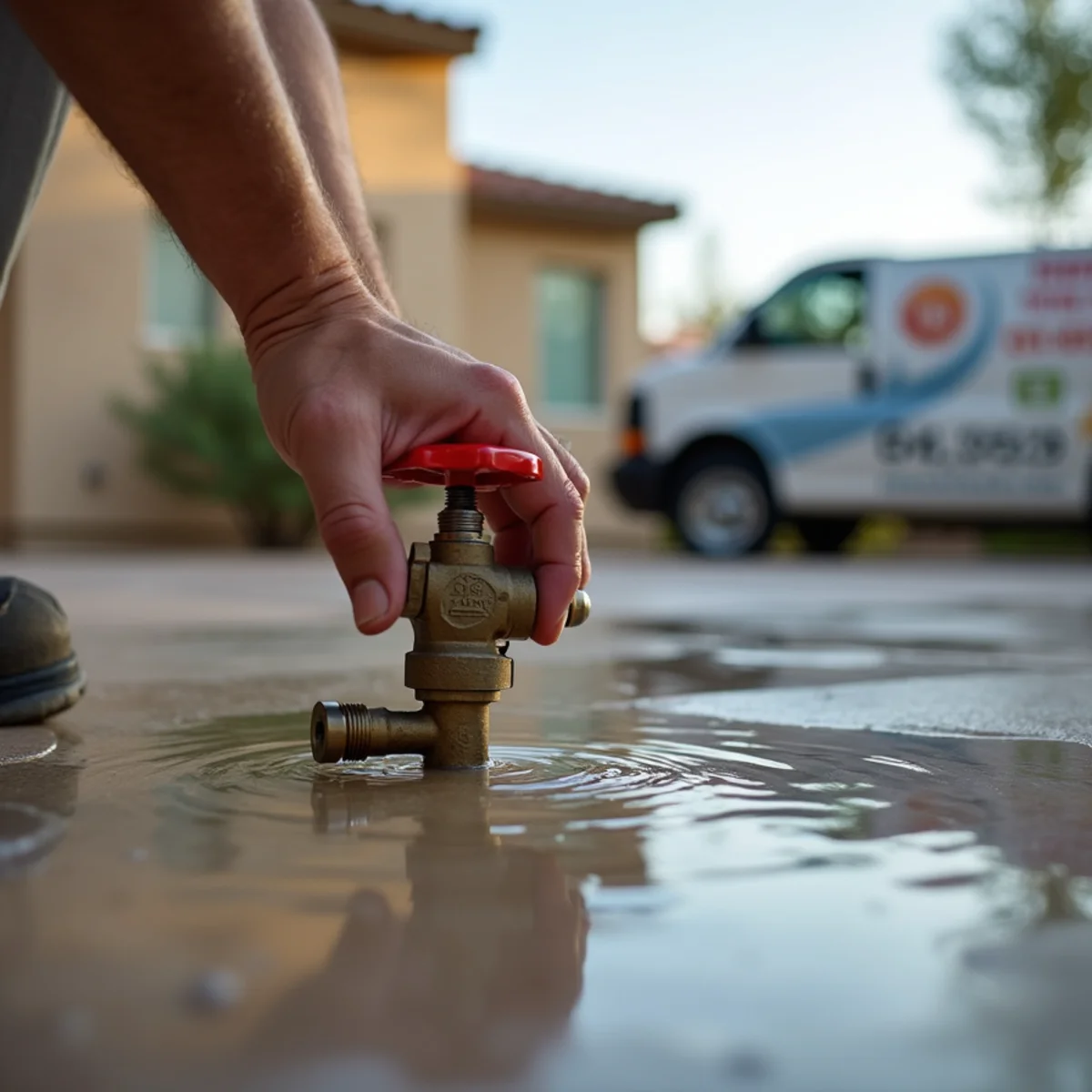
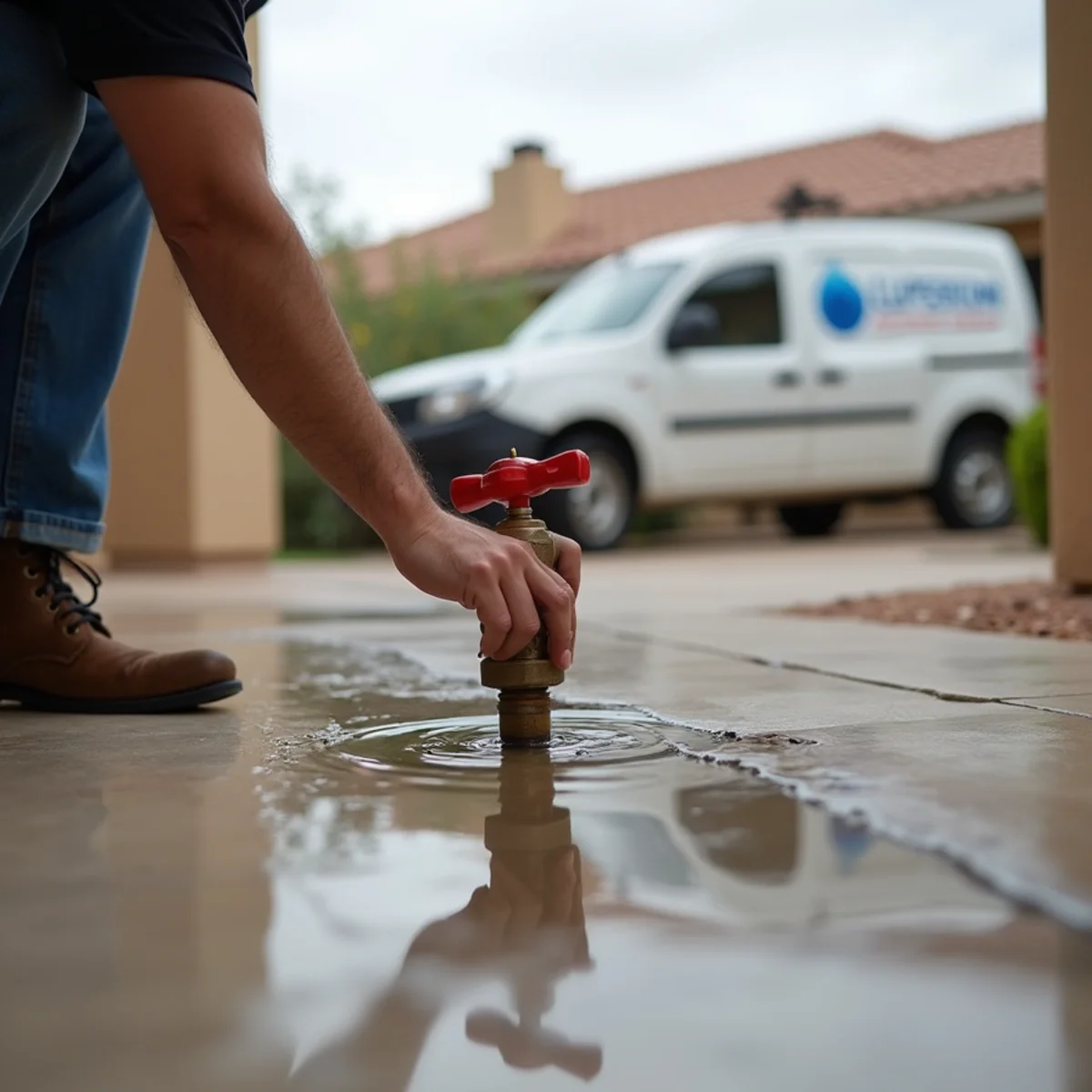
- Shut off the water at the main valve to stop the flow at its source
- Cut power to any affected area if you can reach the panel without standing in water
- Move what you can to dry ground and photograph the damage for your claim
- Call for burst pipe emergency extraction and drying before the water spreads into the subfloor and wall cavities
Polybutylene is not a reason to panic. It is a reason to find out what you have, keep an eye on it, and have a plan. Homes from the 1980s are all over the East Valley, and the ones that avoid the worst of it belong to owners who knew the risk was there and did not wait for the pipe to make the decision for them.
Frequently Asked Questions
Look for gray flexible plastic pipe at the water heater, main shut-off, or manifold, and consider the build year. Homes built roughly 1978 to 1995 are the highest risk. A licensed plumber can confirm what your supply lines are made of.
A sudden, accidental burst and the resulting water damage are typically covered by homeowners insurance, though policies vary and the repipe itself usually is not. Fast mitigation helps the claim by limiting the loss.
Many homeowners do, because the failures are sudden and can be costly, especially under a slab. A repipe to PEX or copper removes the risk permanently. If you have already had one PB leak, replacement is worth prioritizing.
In a slab-on-grade home, an in-slab PB failure leaks under the concrete, so water spreads and rises before you notice. That hidden path means more damage and a harder repair than a visible leak, which is why early detection matters.
Need Help With This in Person?
Our local crew handles it 24/7. Explore the related services and areas below, or just call (866) 688-0301.