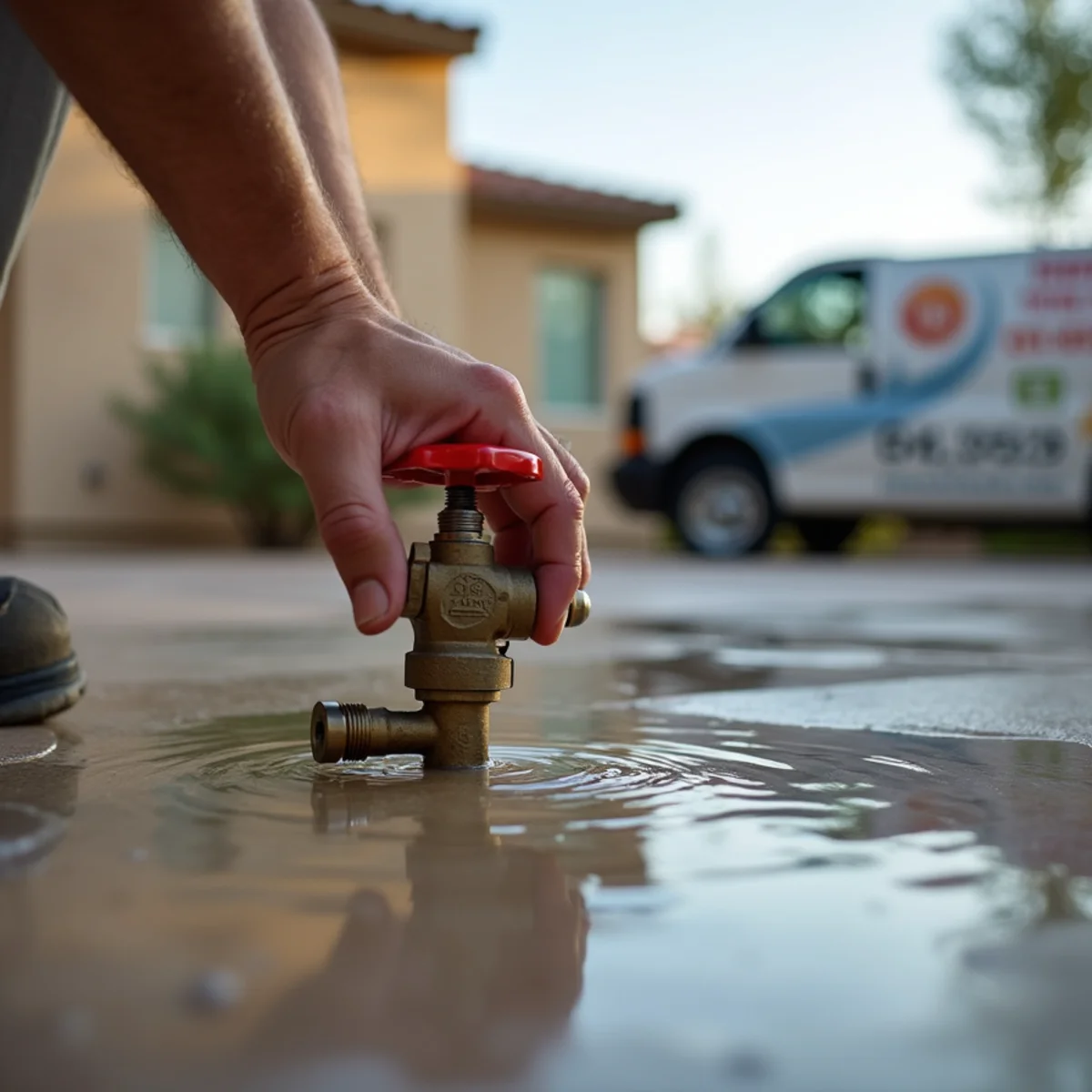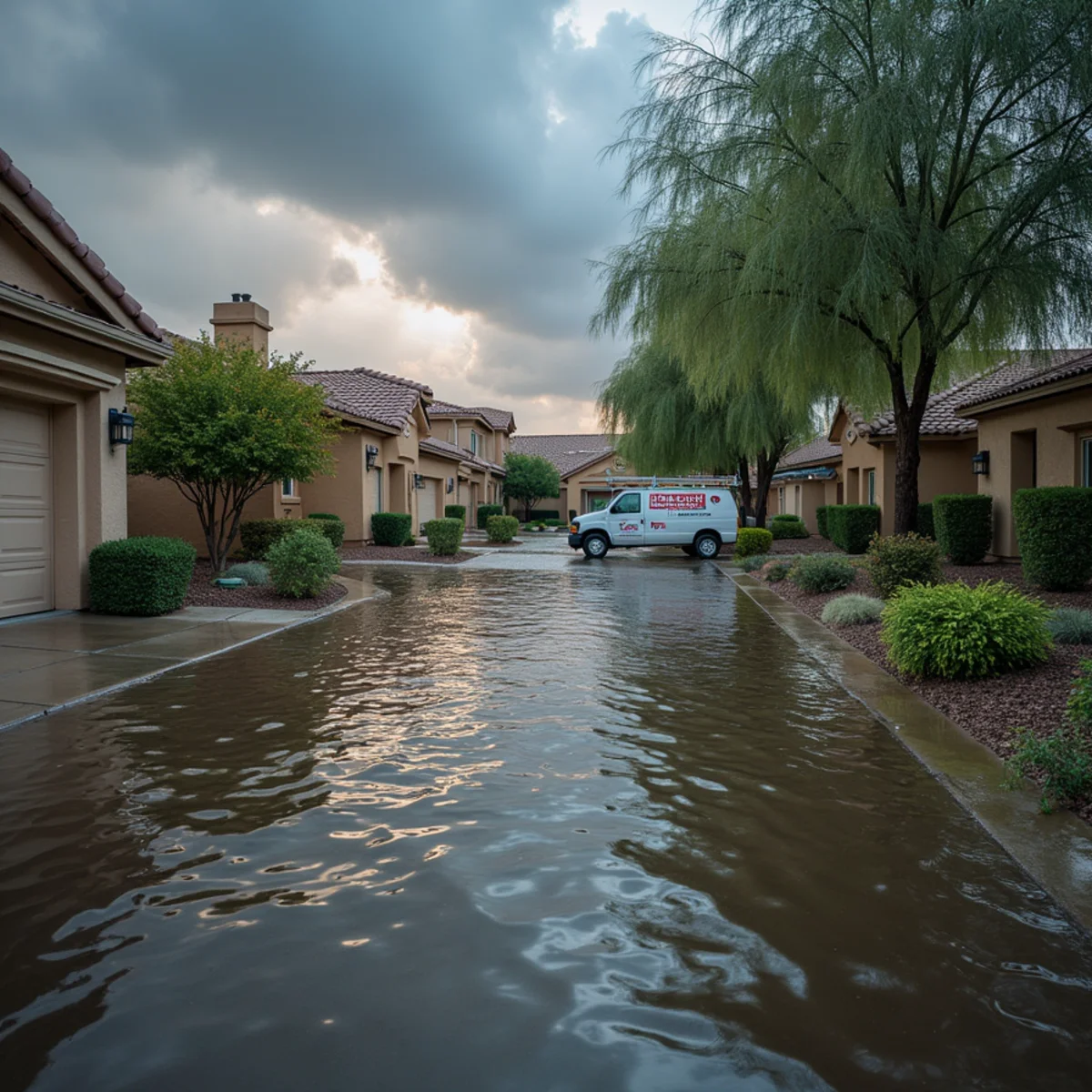
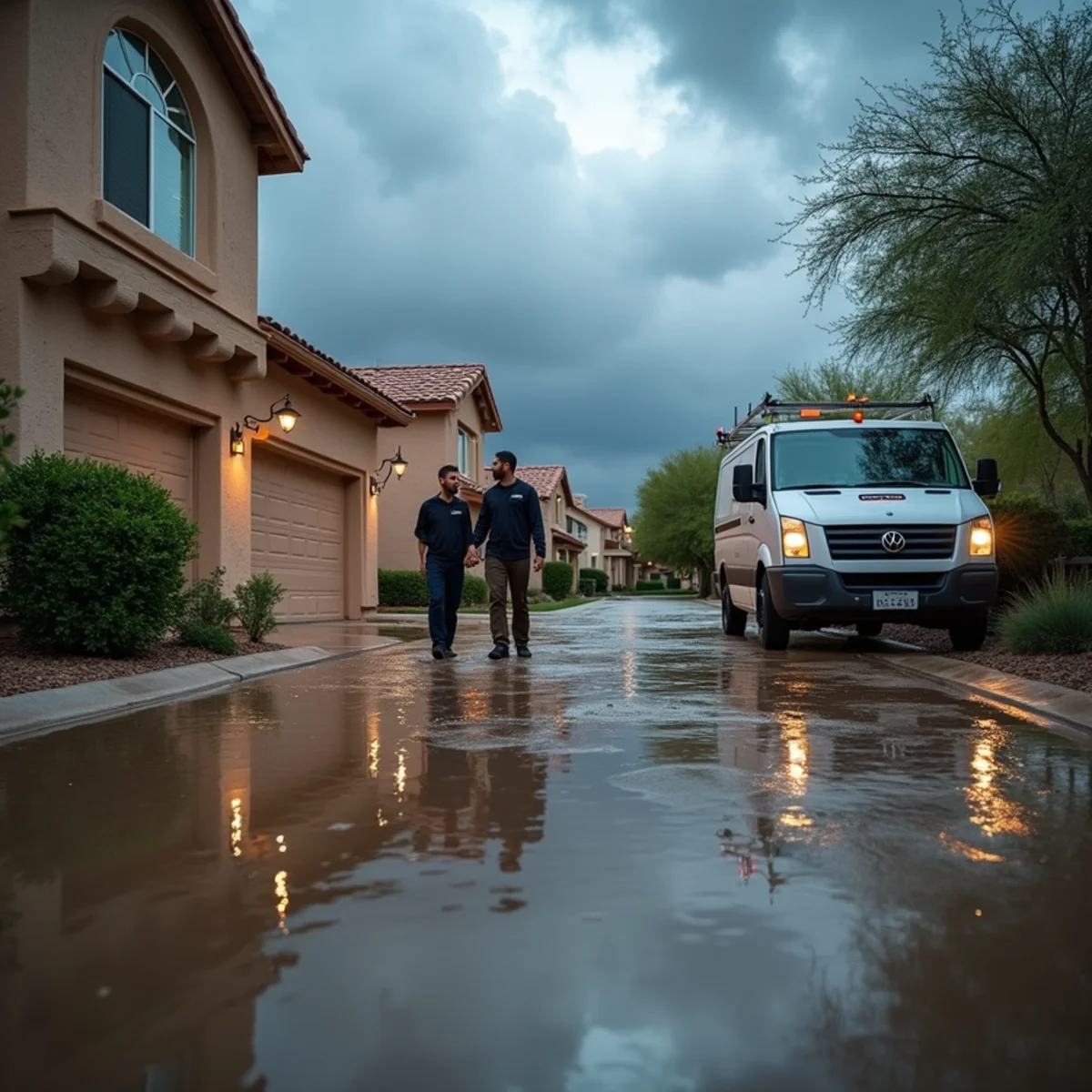
The dust comes first. A wall of it, thousands of feet high, rolling in from the south and turning the afternoon brown. Then, often within the hour, the rain hits. In Scottsdale, that one-two punch of haboob and monsoon downpour has a favorite target, and it is the flat roof over your head.
A flat roof is a beautiful thing in the desert, right up until water decides to sit on it. When a dust storm clogs the drains and a downpour delivers more water than the roof can shed, that water has to go somewhere. Too often, it goes into the ceiling, the attic, and the walls of the home below.
The one-two punch that causes the leak
A haboob is a dust storm, and it is a normal part of our monsoon season between June 15 and September 30. It is not just an eerie sky. That wall of dust carries an enormous load of fine grit, sand, and debris, and it dumps it everywhere, including across every flat roof in its path. Scuppers, drains, and roof crickets that were clear an hour earlier fill with packed dust and blown leaves.
Then the rain arrives. On a flat or low-slope roof, drainage depends entirely on those scuppers and drains staying open. When they are choked with haboob debris, the water cannot leave. It ponds. And a roof designed to shed water, not to hold a pool of it, starts to fail at its weakest seams.
Why Scottsdale has so many flat roofs
Scottsdale leans hard into desert-modern architecture, and that style loves a flat or low-slope roofline. Many homes across Scottsdale, from mid-century neighborhoods to newer builds, use flat roofs finished with foam, single-ply membrane, or built-up materials. They look clean and they suit the climate, but they demand maintenance that a steep-pitched roof does not, because they have so little slope to move water on their own.
Maintenance is where flat roofs get neglected. A pitched shingle roof mostly takes care of itself between storms. A flat roof needs someone to actually get up there, clear the drains, and look at the seams and the foam before the season starts. In Scottsdale that pre-monsoon inspection is not optional upkeep. It is the difference between a roof that sheds a downpour and one that funnels it into your living room.
How the water actually gets in
- Scuppers and roof drains clog with haboob dust and debris, so rain ponds instead of draining
- Standing water finds seams, cracked foam, and worn membrane and works through them
- Wind lifts and loosens flashing at parapet walls and roof edges, opening a path
- Aging foam roofs develop hairline cracks and blisters that ponding water exploits
- Parapet walls and their caps, common on flat roofs, are a frequent hidden entry point
Where the water shows up inside
Roof leaks rarely announce themselves at the point of entry. Water travels along the underside of the roof deck, across the attic, and down framing before it drips somewhere visible. By the time you see a brown ring spreading across the ceiling, water has already been moving through the structure for a while.
In the attic it soaks insulation, which then holds moisture against the drywall below. It runs down wall cavities and wets framing you cannot see. That hidden path is exactly why a monsoon ceiling leak is so easy to underestimate. For the full walk-through of that specific problem, our guide to a ceiling leak after a monsoon storm in Scottsdale covers what to do the moment you spot the stain.
What to do after the storm passes
- Once it is safe, look at your ceilings and upper walls for stains, bulges, or drips
- Put a container under any active drip and poke a small relief hole in a bulging ceiling to release trapped water safely
- From the ground, check whether roof scuppers and drains are draining or still ponding
- Photograph everything for your insurance claim before you clean up
- Get the roof drains cleared of haboob debris, ideally before the next storm in the series
Clearing the drains is the piece people skip, and it is the one that prevents the next leak. Monsoon storms travel in packs. The debris a haboob left today is what causes the flood next week.
When water is already in the ceiling
A wet ceiling is not a wait-and-see situation. Trapped water adds weight, threatens the drywall, and starts the mold clock, which in our heat runs 24 to 48 hours. The right move is fast emergency water removal to get the standing water out of the attic and ceiling cavity, followed by drying the insulation, framing, and drywall down to a verified dry standard.
When a storm has driven a lot of water into a home, professional flood cleanup handles the whole picture, from the soaked attic to the walls below, so you are not left with hidden moisture that becomes a mold problem a week later. Our crews cover Scottsdale from our Tempe base 24 hours a day, because monsoon leaks do not keep business hours.
The haboob and the downpour are going to keep coming every summer. A flat roof with clear drains and sound seams handles them fine. The homes that leak are the ones where the debris built up and nobody looked until the ceiling was already brown.
Frequently Asked Questions
Flat and low-slope roofs rely on scuppers and drains to shed water. Haboob dust storms clog those drains with debris right before the rain, so water ponds instead of draining and works through seams, cracked foam, and lifted flashing.
A haboob is a large desert dust storm common during monsoon season. It does not damage the roof directly so much as it loads it with grit and debris that clog the drains, and its winds can lift flashing, setting up a leak when the rain follows.
Watch for ceiling stains, bulges, or drips, a musty smell, and sagging or damp insulation. Because water travels before it drips, the visible spot is often not directly under the entry point, so the attic is worth checking after a storm.
Clearing accessible debris from scuppers and drains between storms is smart maintenance and prevents ponding. Just be safe about roof access and heights. If water has already gotten inside, focus on the interior and call for professional water removal.
Need Help With This in Person?
Our local crew handles it 24/7. Explore the related services and areas below, or just call (866) 688-0301.