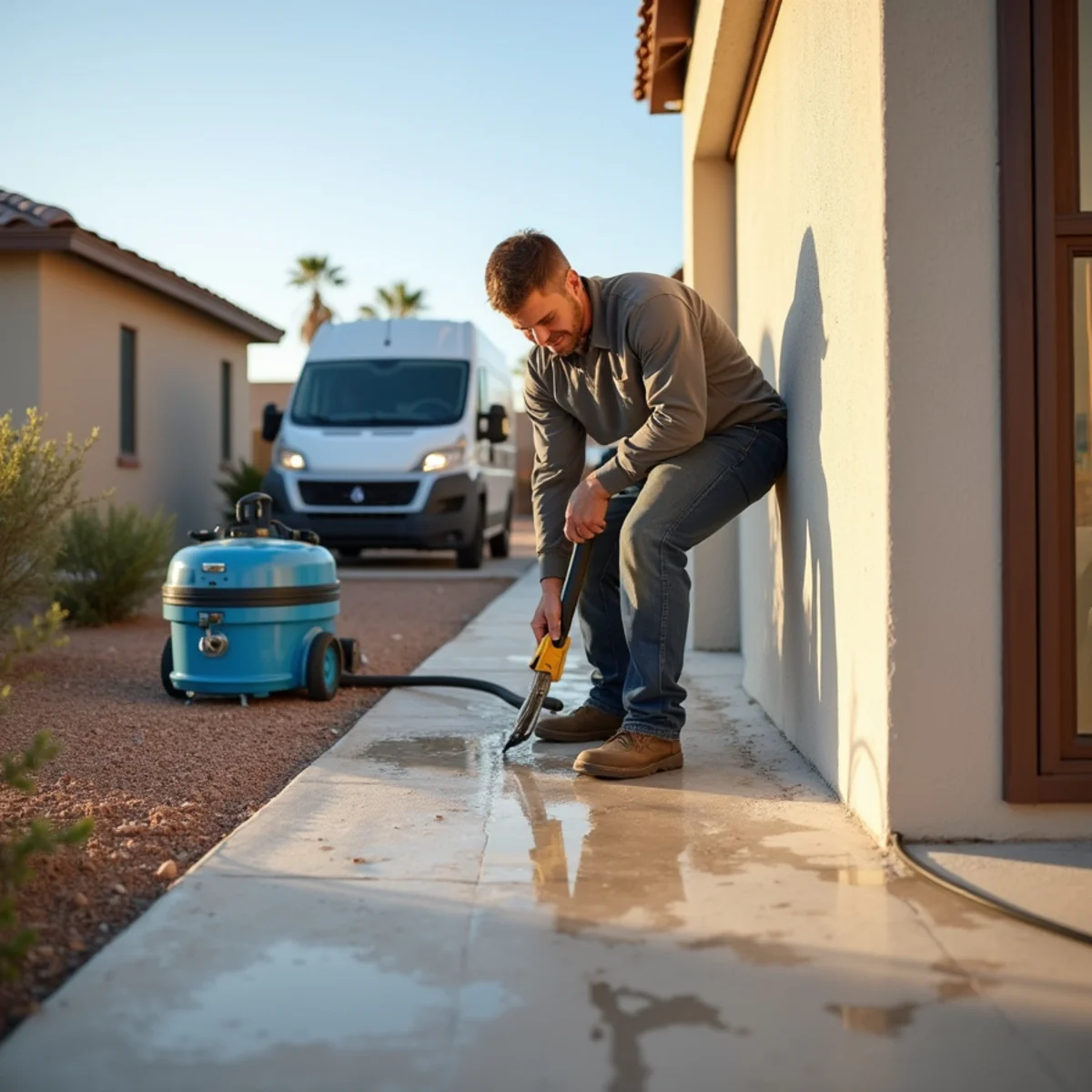
The leak is fixed and the floor is dry to the touch, so now you are standing in front of a wall with a water line stained across it, asking the only question that matters for your budget: do I have to tear this drywall out, or can it be saved? Cut it out unnecessarily and you have bought yourself demolition, new board, tape, texture, and paint you did not need. Leave in drywall that should have gone, and you have sealed moisture and mold inside your wall.
It is a real decision with real money on both sides, and the answer is not a coin flip. After drying out a lot of Tempe homes, here is the framework we actually use to decide.
The one question that decides most cases: what kind of water?
Before anything else, we identify the water's category, because it overrides almost every other factor.
- Category 1 — clean water from a supply line, a water heater, or a faucet. This water is not hazardous, and drywall it touched can often be dried in place if you act quickly.
- Category 2 — gray water from a dishwasher, washing machine, or toilet overflow with no solids. Borderline; drywall may be salvageable if dried fast, but it is often removed to be safe.
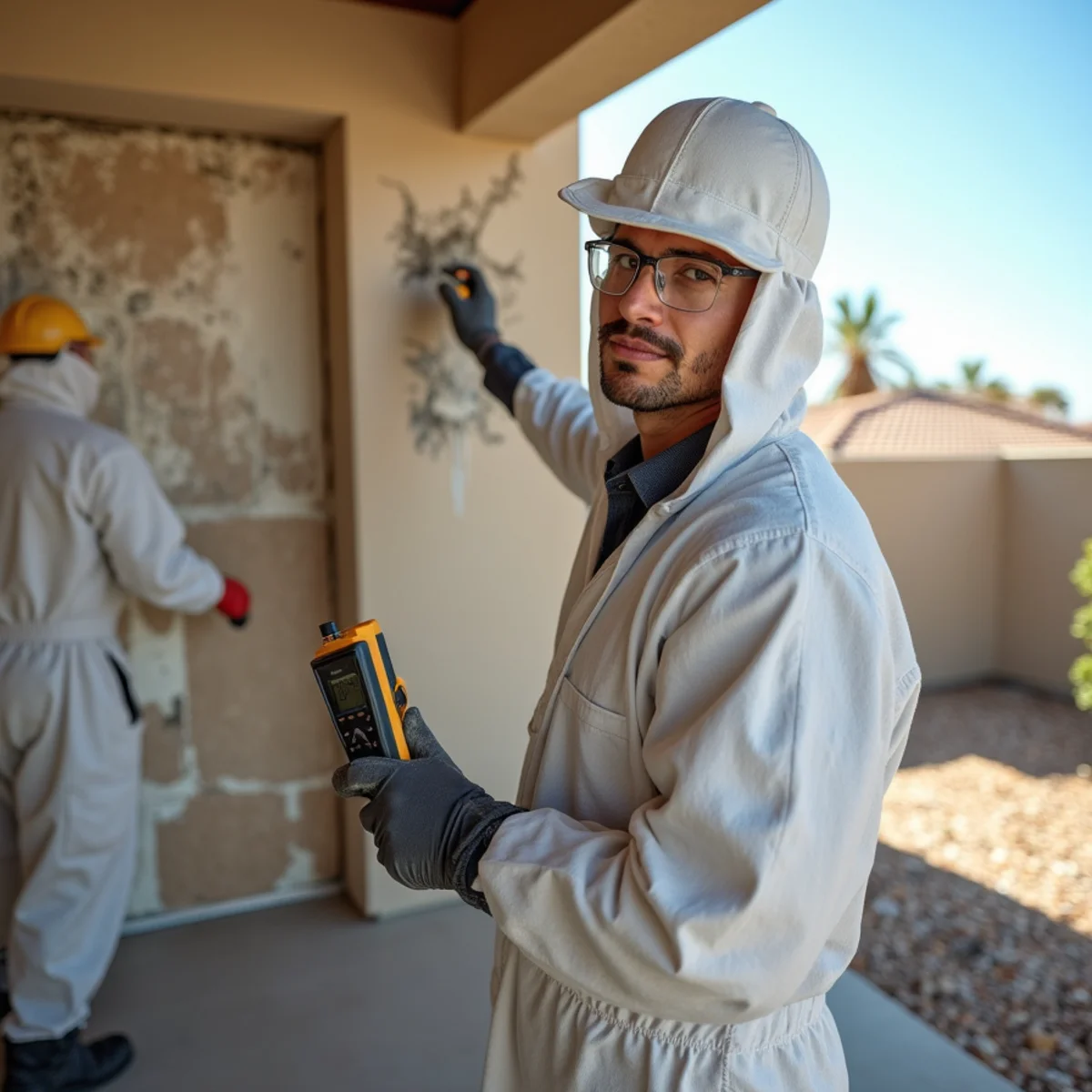
- Category 3 — black water from sewage, a toilet backup with solids, or ground flooding. This water is contaminated. Any porous material it soaked, drywall included, comes out. No exceptions.
So the first rule is blunt: clean water gives you options; contaminated water does not. If sewage or floodwater touched the drywall, stop weighing it and plan on replacement.
Clean water: often savable
When clean water is the culprit and you have caught it early, drywall is frequently dried in place rather than replaced. Drywall is more resilient than it looks, but the clock matters — the longer it stays saturated, the more the gypsum core softens and the paper facing feeds mold. Fast, controlled drying is what keeps a clean-water wall on the savable side of the line.
The wicking problem nobody sees
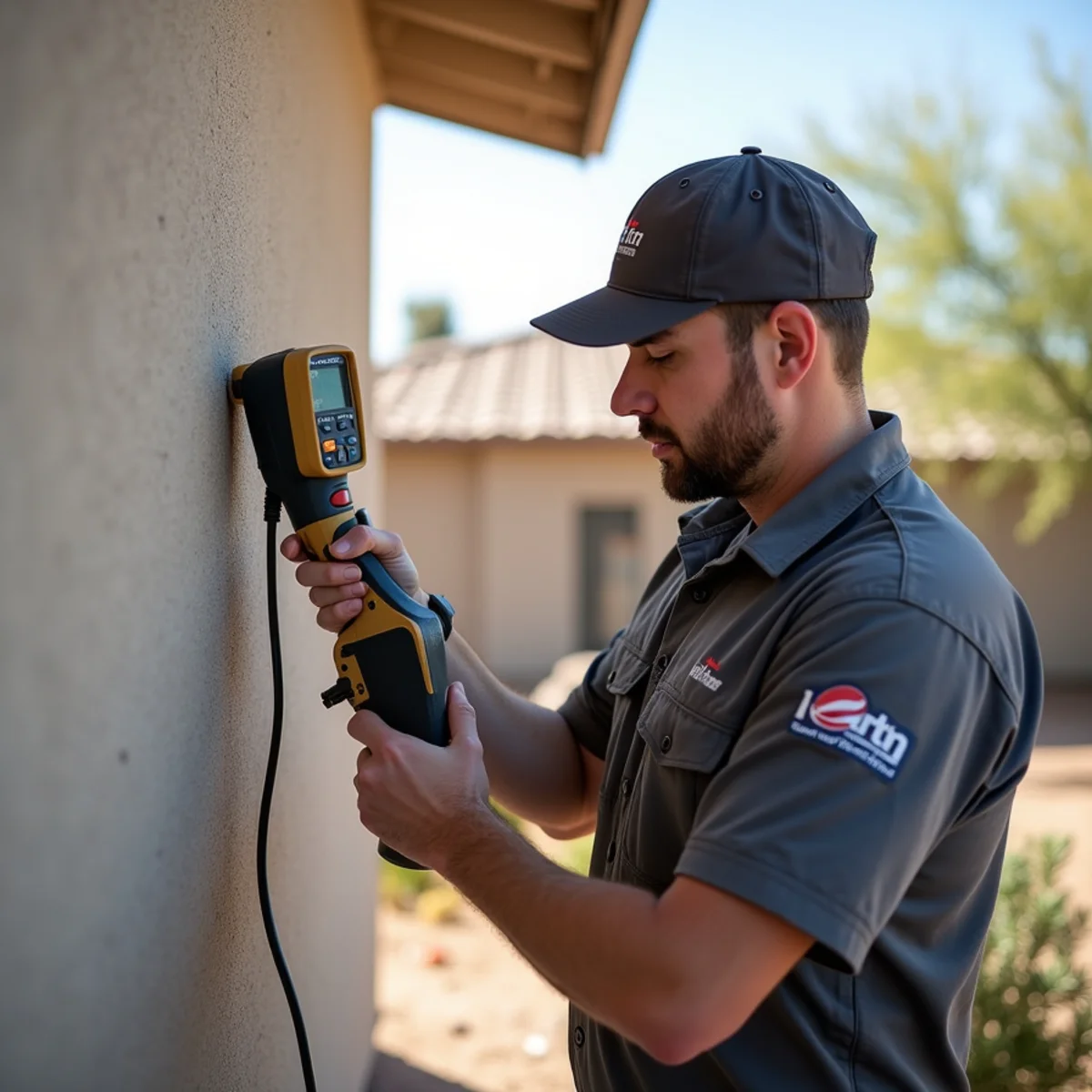
Here is what makes drywall tricky: it wicks. Water climbs upward inside the board well above the visible waterline, sometimes a foot or more, drawn up through the gypsum like a paper towel dipped in a glass. The stain you see is not the top of the wet zone. This is exactly why 'it looks fine up here' is not a drying strategy, and why we map moisture with meters rather than trusting our eyes — a lesson we cover in moisture mapping in Tempe block homes.
What 'drying it' actually involves
Drying drywall in place is not about pointing a household fan at the wall. The moisture is inside the board and, more importantly, inside the wall cavity behind it. Real structural drying means creating airflow and controlling humidity across the whole assembly, often by removing baseboards and drilling small, hidden ventilation holes at the base of the wall so air can move through the cavity. Insulation behind the drywall is a complicating factor — wet fiberglass or cellulose usually has to come out because it holds water against the framing and dries far too slowly on its own.
The flood cut
When drywall must be removed, we rarely tear out the whole wall. The standard is a flood cut: cutting the drywall in a clean horizontal line, typically 12 to 24 inches above the waterline, and removing only the wet portion below. This exposes the wall cavity and insulation for drying and inspection while preserving the dry upper wall, which keeps the repair smaller and cheaper. The height of the cut is set by where the moisture meter says the wall is actually dry — not by guesswork.
The bigger picture: drywall is one piece of a wet wall assembly that also includes framing, insulation, and often flooring. Deciding its fate is part of a complete water damage restoration plan, and doing it right protects you from the mold that follows trapped moisture. We handle these calls across Tempe, including established neighborhoods like Hudson Manor where block-and-frame construction hides moisture well. Call (866) 688-0301 for an itemized assessment before anyone starts cutting.
Frequently Asked Questions
With clean water, drywall dried within about 24 to 48 hours can often be saved. Past that, the gypsum core weakens and the paper facing starts feeding mold, tipping the decision toward replacement. Contaminated water changes the answer immediately — that drywall comes out regardless of timing.
Rarely well enough. Surface air-drying leaves moisture trapped in the wall cavity, behind the board, and in the insulation, where it fuels mold and slowly damages framing. Proper drying addresses the whole assembly with airflow and dehumidification, not just the visible face.
A flood cut removes only the lower, water-damaged section of drywall in a clean horizontal line above the waterline, leaving the dry upper wall intact. It exposes the cavity for drying and inspection while keeping the repair — and the cost — as small as the damage allows.
Usually, yes, if it got wet. Fiberglass and cellulose insulation hold water against the framing and dry very slowly, so leaving them in place defeats the drying and invites mold. We remove wet insulation, dry the cavity, and reinstall new insulation during repairs.
Need Help With This in Person?
Our local crew handles it 24/7. Explore the related services and areas below, or just call (866) 688-0301.