The most expensive water damage rarely starts with a bang. It starts with a drip — a supply line weeping behind a wall, a toilet flange seeping into the slab, a water heater sweating in a closet — that runs unseen for weeks. By the time you notice the warped baseboard or the musty smell, the repair is no longer small.
An hour once a year is enough to catch most of it. This is the walkthrough we run in our own homes, tuned for the slab-on-grade ranch houses that fill central Tempe neighborhoods like Optimist Park, Broadmor, and Maple-Ash.
Why Slab Homes Hide Leaks So Well
Much of Tempe is built slab-on-grade — the house sits directly on a concrete pad, and in older ranch homes the copper supply lines often run inside or beneath that slab. When one of those in-slab lines corrodes and starts to leak, the water has nowhere obvious to surface. It wicks up through the concrete, warms the floor, and spikes your water bill long before you ever see a puddle.
That is why a walkthrough beats waiting for symptoms. You are hunting for the early tells while they are still cheap to fix.
The 12-Point Annual Walkthrough
Grab a flashlight and a notepad, and work through the house in order so you do not skip a room.
- Water meter test: turn off every fixture, then watch the meter for 15 minutes. Any movement means water is escaping somewhere.
- Under every sink: feel the supply lines, shut-off valves, and P-traps for dampness or white mineral crust.
- Toilets: check the base for rocking or seepage, and drop food coloring in the tank to expose a silent flapper leak.
- Water heater: look for rust, water in the pan, and corrosion at the fittings.
- Dishwasher: pull the kick plate and check the hose connections and the floor beneath.
- Washing machine: inspect the rubber supply hoses for bulges, and swap them for braided-steel lines if they are old.
- Refrigerator ice-maker line: follow the small poly tube to the wall valve and check for drips.
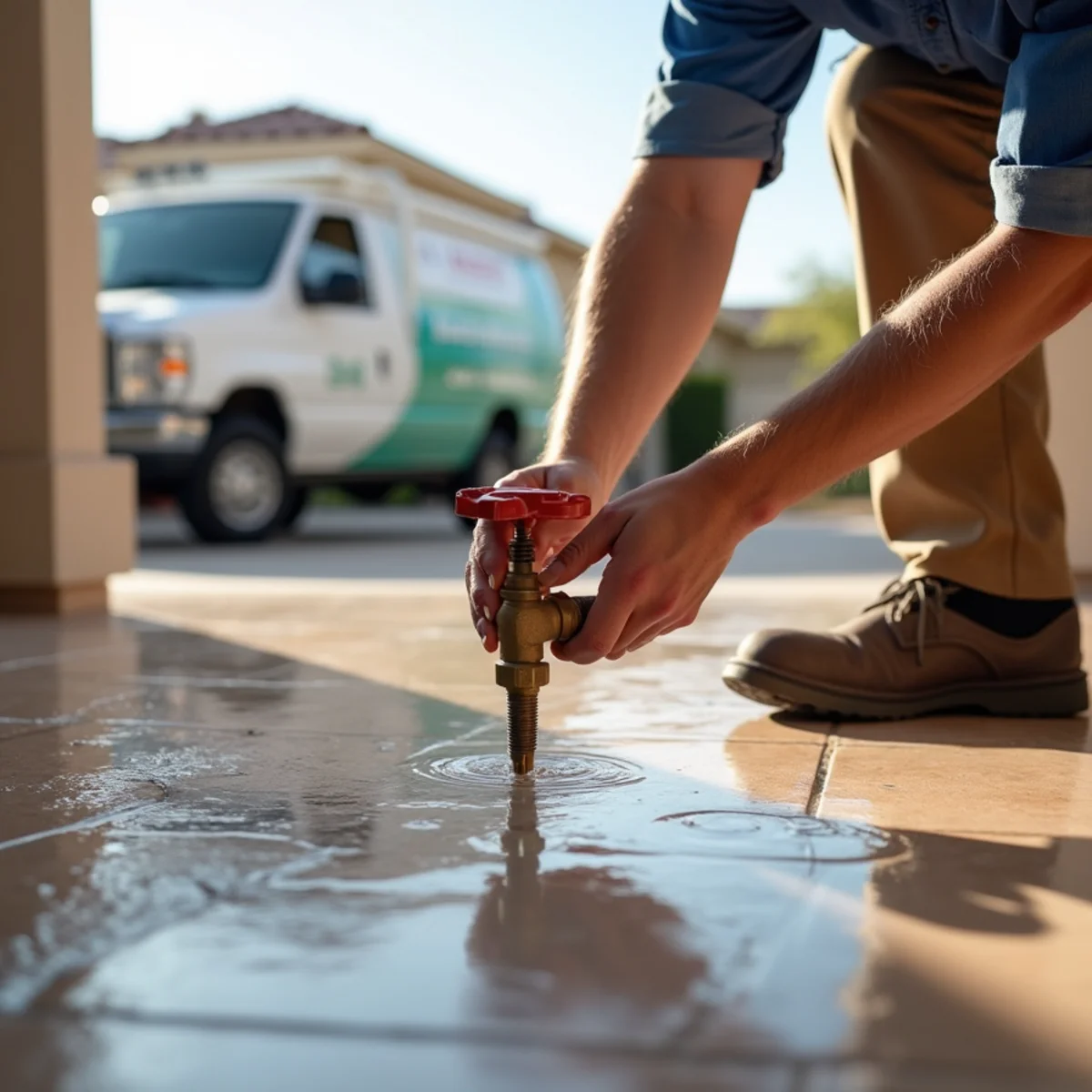
- Angle stops and hose bibs: work every shut-off valve so it will actually turn in an emergency.
- Ceilings and walls: scan for stains, bubbling paint, or soft spots, especially below any upstairs bathroom.
- Baseboards and flooring: look for cupping, warping, or discoloration along exterior and plumbing walls.
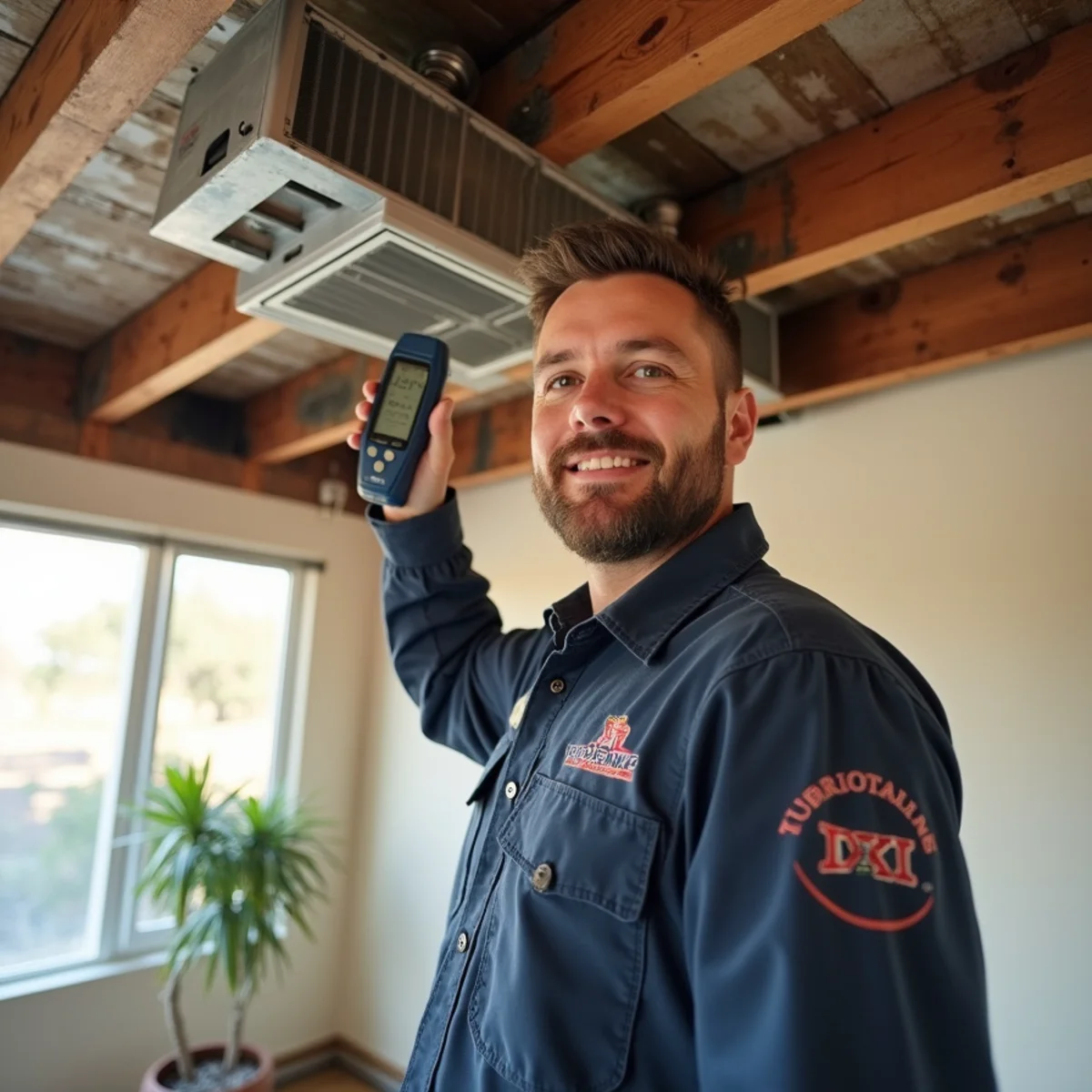
- Roof and attic: check for daylight, stains on the underside of the deck, and dark spots on the insulation.
- Outside: walk the foundation for unexplained damp soil, and note any warm spot on the slab underfoot.
Reading the Early Warning Signs
A handful of symptoms deserve immediate attention because they often point at a slab or in-wall leak rather than a simple fixture problem.
- A water bill that jumps with no change in your habits.
- A warm or oddly damp patch on a tile or concrete floor.
- The sound of running water when every fixture is off.
- A persistent musty smell in one room or closet.
- New cracks in floor tile or drywall as the slab shifts.
What to Fix Yourself, and What to Escalate
Plenty of what you find is a homeowner fix. A dripping angle stop, a worn washer, a loose supply nut — tighten it, replace it, done. Swapping old rubber washing-machine hoses for braided steel is the single best twenty-minute upgrade you can make in the whole house.
While you are outside, walk your irrigation too. A cracked drip line or a stuck valve can pour water against the foundation for hours without anyone noticing, and in the flood-irrigated pockets of central Tempe that seepage works its way toward the slab. Cap or repair the obvious breaks the same day you find them.
But some findings are above a wrench. A moving meter with no visible source, a warm floor, or unexplained damp along the slab points to a line under the concrete, and that is a job for leak detection. Chasing a slab leak the wrong way can mean jackhammering the wrong section of floor.
Make It a Habit, Not a One-Off
Pick a date you will remember — New Year's week, a birthday, the day you swap the AC filter — and run the walkthrough on that same date every year. Keep a simple log of what you checked and what you found, even a photo on your phone. A note that the meter sat still last January is what makes this January's creeping dial an obvious red flag instead of a maybe.
When the Walkthrough Finds Real Damage
Sometimes the annual check turns up water that has already been working on your home — a soft subfloor, blackened drywall, that unmistakable musty smell. At that point you are past prevention and into cleanup, and pretending otherwise only makes it worse.
Do not paint over it or air it out and hope. Trapped moisture keeps feeding mold and rot behind the surface. Get it measured and dried properly with professional water damage restoration. We work these older homes across Optimist Park and central Tempe constantly, and the pattern is always the same — the owners who walk the house once a year catch it small. For the specific tells in a mid-century home, read our guide to the signs of a slab leak in a 1960s Tempe ranch.
Frequently Asked Questions
Run the meter test. Shut off every water fixture and appliance in the house, then watch the water meter for 15 minutes. If the dial or the low-flow indicator moves at all, water is leaking somewhere — often inside a wall or under the slab where you cannot see it.
A slab leak is a break in a water line running inside or beneath the concrete foundation. Many 1960s Tempe ranch homes have copper supply lines in the slab, and decades of hard water and soil movement corrode and stress them until they weep or break.
Once a year is the baseline, and it takes about an hour. It is also worth a quick look after any major event — a big temperature swing, a plumbing repair, or a long vacancy — since those are when small problems tend to surface.
Yes. Rubber supply hoses are one of the most common flood sources in a home, and they fail under constant pressure. Swap them for braided stainless-steel lines and plan to replace those every five years or so. It is cheap insurance against a soaked laundry room.
Need Help With This in Person?
Our local crew handles it 24/7. Explore the related services and areas below, or just call (866) 688-0301.