When a pipe fails in your Mill Avenue restaurant or storefront, the water on the floor is not the expensive part. The expensive part is the sign on the door that says closed. Every hour those doors stay shut is lost revenue, missed reservations, and customers walking down to your competitor. For a Tempe business, water damage is a downtime problem first and a repair problem second.
Commercial water losses on and around Mill Avenue have their own rules — old buildings, shared walls, tight foot-traffic patterns, and a landlord-tenant relationship that shapes who pays for what. The goal is not just to dry the building. It is to keep you open, or get you reopened, as fast as safely possible. Here is how that works.
The real cost is the closed doors
A homeowner's flooded kitchen is an inconvenience. A flooded business is a revenue event. The math that matters to you is not only the restoration invoice — it is the daily receipts you lose while the space is unusable, the payroll you still owe, the perishable inventory, and the customers who form a new habit somewhere else. That is why commercial water damage response is built around minimizing downtime, not just extracting water. We plan the job around your operation from the first phone call.
Mill Avenue's specific risks
Downtown Tempe's building stock creates conditions you do not see in a suburban strip center:
- Older construction. Many Mill Avenue buildings are decades old, with aging plumbing and materials that hold and spread water in unexpected ways.
- Shared walls and floors. In a connected downtown block, a leak in your space can migrate to the neighboring tenant — or arrive from theirs — which complicates both drying and liability.
- Upstairs and basement spaces. Multi-level downtown buildings mean water travels between floors, hitting tenants who never had a leak of their own.
- Foot traffic and appearance. A visible dry-out mid-block affects the customer experience, so containment has to look orderly, not chaotic.
Keeping you open while we dry
The core of commercial work is finishing the job without shutting the whole operation down when that can be avoided. The tools for that:
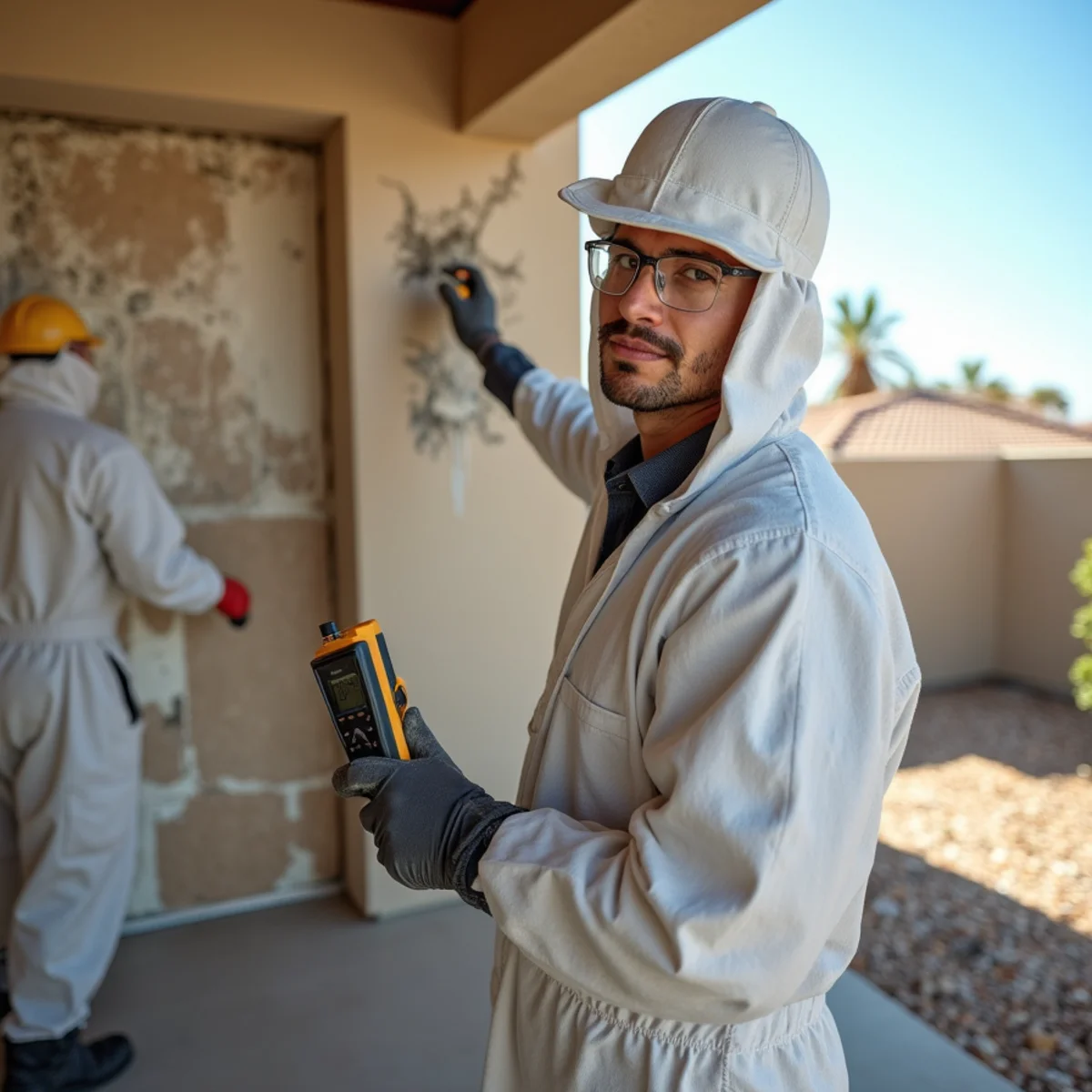
- Containment. We isolate the affected area with barriers so the rest of your space can keep operating while drying happens next door.
- After-hours and overnight work. Extraction and equipment setup scheduled around your business hours keep disruption off your busiest times.
- Phased drying. We sequence the work zone by zone so sections of the space reopen as they are cleared.
- Discreet equipment placement. Air movers and dehumidifiers positioned to keep pathways and sightlines clear for customers.
The documentation your insurer and landlord need
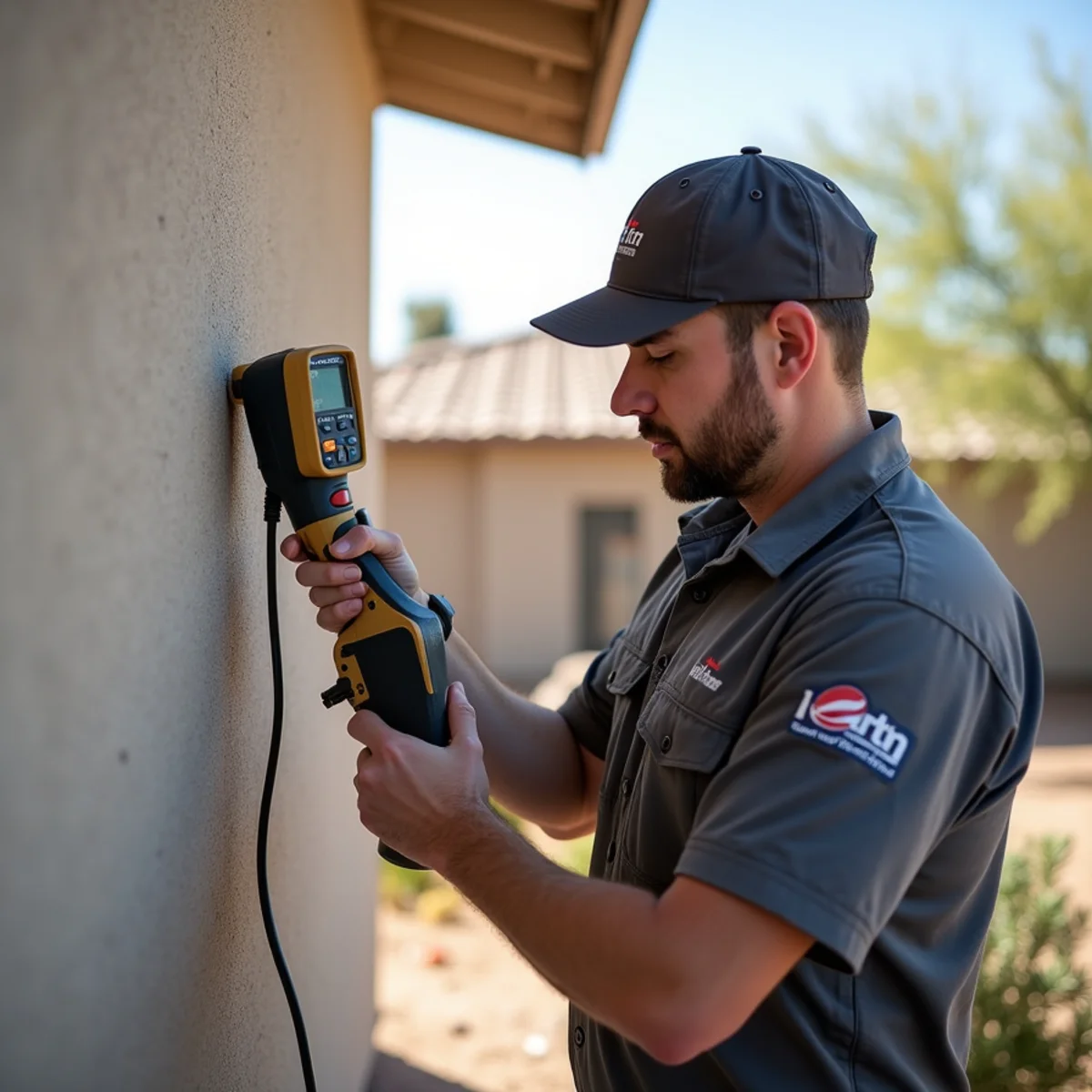
Commercial claims are scrutinized harder than residential ones, and the paperwork matters. We document the source, the category of water, moisture readings throughout the dry-out, and the scope of affected materials, giving you and your carrier an itemized record. Business-interruption coverage, where you carry it, often hinges on clear evidence of the loss and a properly documented mitigation — exactly the record we build on every commercial job.
Who is liable — tenant or landlord?
This is the question every downtown tenant asks, and the answer lives in your lease. Generally, the building structure is the landlord's responsibility while your tenant improvements, inventory, and equipment are yours — but leases vary, and the source of the water often decides fault. What we do is document everything cleanly so the liability conversation is based on facts, not guesses. Sorting the coverage is easier when the loss is thoroughly recorded from hour one.
Fast response is the whole game
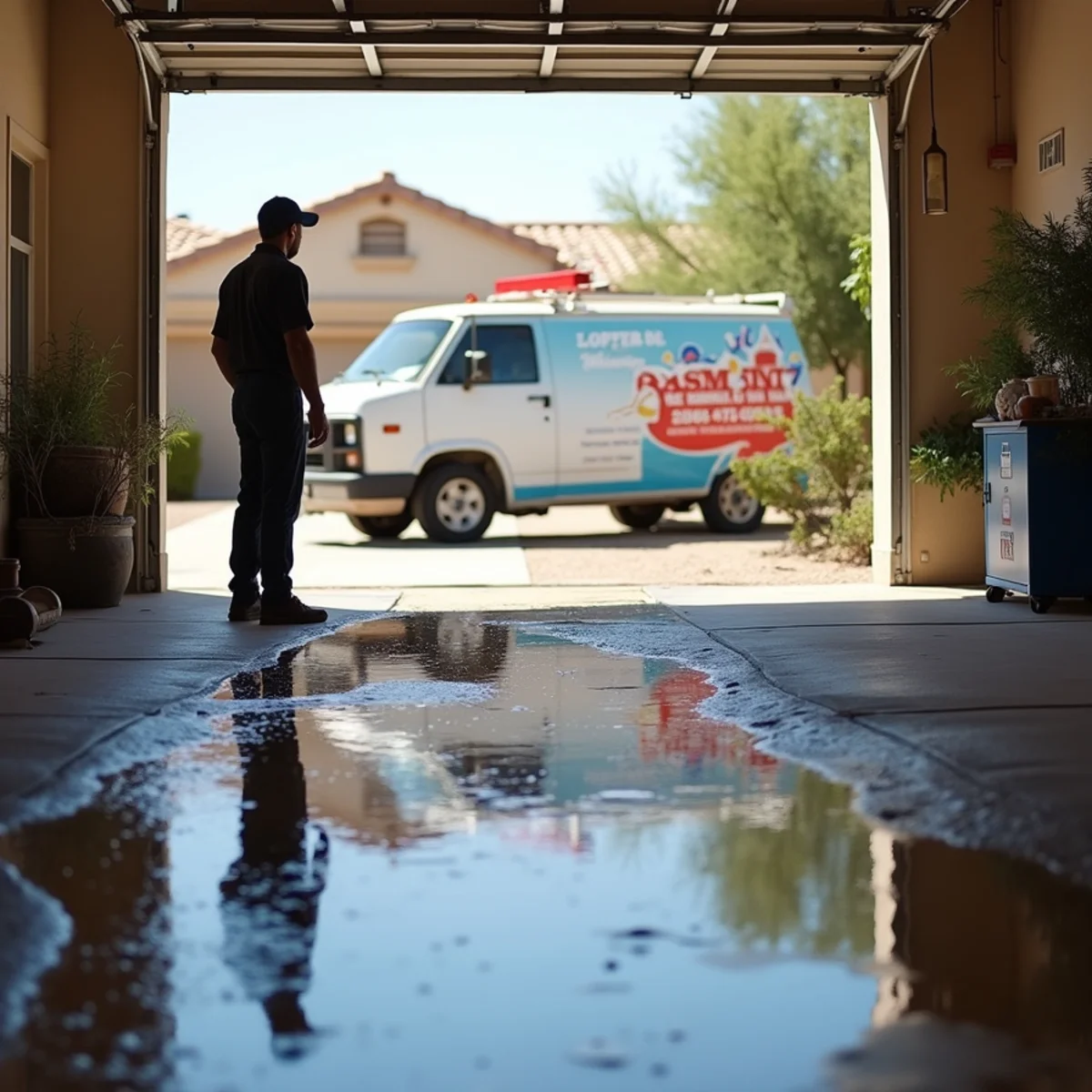
For a business, response time converts directly into dollars saved. The sooner the water is extracted and drying begins, the less inventory is lost, the smaller the affected area, and the sooner you reopen. Our base off W Auto Dr near the I-10 Broadway Curve puts a crew close to downtown, and we target a 60-minute response, 24/7, because a business that floods at closing time cannot wait until morning.
We handle commercial water damage restoration for Mill Avenue's restaurants, offices, and retail, backed by the same water damage restoration methods we bring to every job. If you operate downtown, our team knows the Mill Avenue district and serves businesses across the wider Tempe area. For a deeper look at protecting revenue during a loss, see our guide on minimizing downtime after a water loss in Tempe retail. When water threatens your doors, call (866) 688-0301 — we answer at any hour.
Frequently Asked Questions
We target a 60-minute response, 24/7. Our base is off W Auto Dr near the I-10 Broadway Curve, minutes from the Mill Avenue district, so a crew can reach most downtown businesses quickly — which for a business is the difference between a short closure and a long one.
Often, yes, at least partially. Using containment barriers, after-hours scheduling, and phased zone-by-zone drying, we keep the unaffected parts of your space operating while we dry the damaged area. Fully staying open depends on the loss, but minimizing downtime is the goal of the whole plan.
It depends on your lease and the source of the water. Typically the landlord owns the structure while your improvements, inventory, and equipment are yours, but terms vary. We document the source, category, and scope thoroughly so the liability and insurance conversation is grounded in facts.
If you carry business-interruption coverage, it may cover income lost during a covered water-damage closure. These claims depend on clear documentation of the loss and prompt, proper mitigation — which is exactly the itemized record we build on every commercial job. Check your policy for the specifics of your coverage.
Need Help With This in Person?
Our local crew handles it 24/7. Explore the related services and areas below, or just call (866) 688-0301.