The historic heart of Tempe has a lot going for it. Tree-lined streets, real character, homes with a story, and a location you cannot beat, walking distance to ASU and Mill Avenue. What many of these homes also have, hidden in the walls and under the slab, is original galvanized steel plumbing that has been quietly corroding for decades.
Galvanized pipe does not fail all at once, which is part of the problem. It closes up and weakens slowly, over so many years that homeowners get used to the low pressure and the occasional rusty water as just how the old house behaves. Then a pipe that is more rust than steel finally gives, and a charming historic home has a not-so-charming water problem.
Where galvanized pipe still lives in Tempe
The oldest neighborhoods are where you find it. Homes in Maple-Ash and nearby Victory Acres are among the most historic in the city, and many were plumbed with galvanized steel when they were built. Galvanized was the standard for residential water supply for a large chunk of the twentieth century, so any home old enough to sit in a Tempe historic district is a candidate for it unless it has already been repiped.
How galvanized pipe fails
Galvanized steel is steel coated with a layer of zinc to fight corrosion. That coating buys decades, but it does not last forever. Once the zinc wears away, the steel underneath starts to rust from the inside out. The rust builds up in layers, narrowing the pipe like plaque in an artery, until flow is choked down to a trickle. Eventually the wall of the pipe corrodes through and it leaks or bursts.
- Low water pressure, especially noticeable when more than one fixture runs at once
- Rusty, brown, or discolored water, particularly first thing in the morning
- Visible rust, flaking, or corrosion on exposed pipe at the water heater or under sinks
- Recurring pinhole leaks, a sign the pipe walls are failing in more than one place
- Water that takes a long time to run clear after the house has sat unused
Why Tempe's hard water makes it worse
Tempe water is hard, in the range of 16 to 21 grains per gallon, and hard water is tough on old metal plumbing. The same minerals that scale up a water heater build up inside galvanized pipe, accelerating the loss of flow and giving corrosion more to work with. Hard water is already famous around here for killing water heaters in about six or seven years, and our post on how Tempe hard water destroys water heaters explains the chemistry. The same water runs through your galvanized supply lines every day.
The slab complication
Most Tempe homes are slab-on-grade, and in older houses some of the original supply plumbing can run in or under that concrete slab. When a corroded galvanized or connected line fails beneath the floor, you do not get a visible drip. You get a slab leak, where water escapes under the slab and works up through the concrete, showing as a warm or damp spot, a jump in the water bill, or the sound of water running with everything shut off.
That hidden failure mode is what makes aging plumbing in a historic home more than an inconvenience. The water can travel and spread under the floor for a while before there is anything obvious to see, and the damage grows the whole time.
What to do about it
If your home is in one of the historic districts and still on its original plumbing, the durable answer is a repipe to copper or PEX. It is a real project in an old house, but it ends the pressure problems, the rusty water, and the risk of a burst all at once. Many owners of homes near downtown Mill Avenue do it as part of a broader renovation, and it pays off in peace of mind.
- Have a licensed plumber confirm whether your supply lines are galvanized and assess their condition
- Track your symptoms, falling pressure and rusty water are the pipe telling you where it is in its life
- Plan a repipe before a failure forces the timing, not after
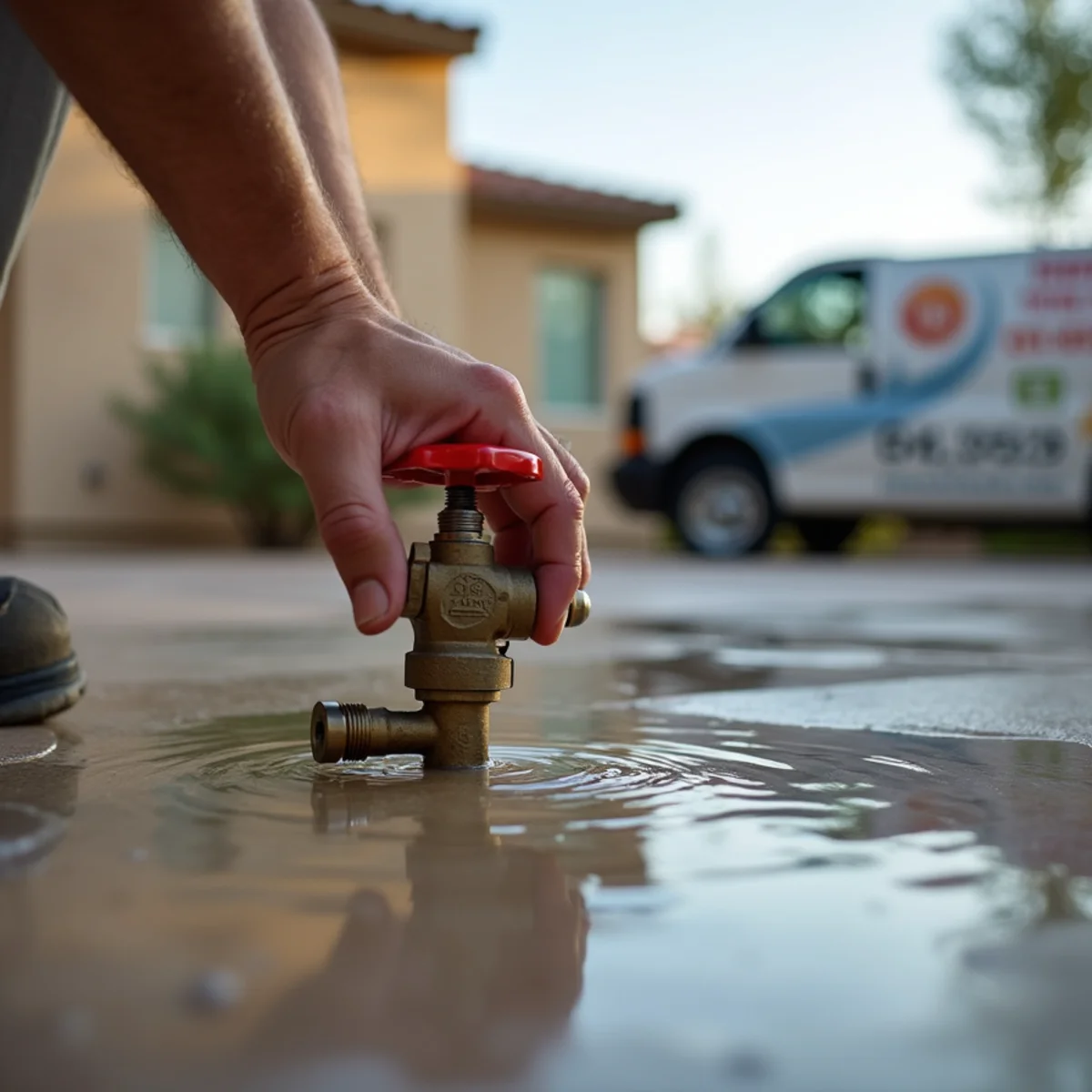
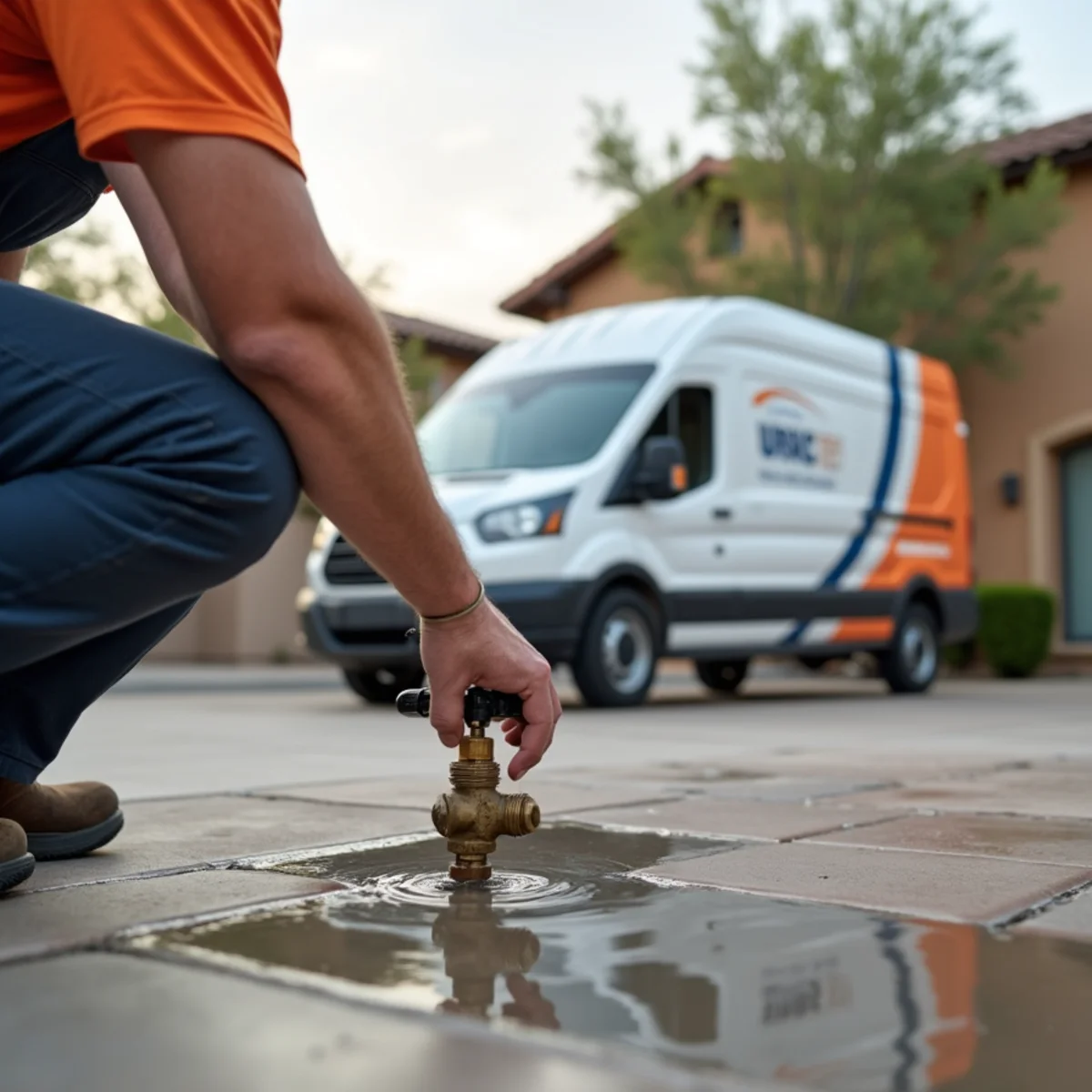
- Know where your main shut-off is and make sure it actually works, since old valves seize
When an old line lets go
When a galvanized line finally bursts, the response is the same as any sudden pipe failure. Shut off the water at the main, cut power to affected areas if you can do it safely, and call for burst pipe emergency help. Historic homes deserve extra care, because plaster walls, original wood floors, and decades-old finishes do not tolerate water well, and the faster the structure is dried, the more of that character you save.
A sudden burst and the water damage that follows are typically covered by homeowners insurance, even when the aging pipe itself is not. Fast, professional mitigation limits the loss and strengthens the claim.
The homes in Maple-Ash and Victory Acres have already stood for generations. Treat the plumbing with the same respect the rest of the house has earned, watch for the warning signs, and repipe before a corroded line writes its own ending. That is how a historic Tempe home stays a joy instead of becoming a project.
Frequently Asked Questions
Look for dull gray steel pipe at the water heater or under sinks, and note symptoms like low pressure and rusty water. Homes in older neighborhoods such as Maple-Ash and Victory Acres are prime candidates. A licensed plumber can confirm and assess the condition.
Discolored water from corroding galvanized pipe is usually an aesthetic and plumbing concern rather than an immediate health emergency, but it signals the pipe is deteriorating inside. Persistent rusty water is a strong reason to have the plumbing evaluated for a repipe.
It contributes. Tempe's hard water, around 16 to 21 grains per gallon, deposits minerals that build up inside the pipe alongside the rust, further restricting flow. The same water is known for shortening water heater life, and it works on old supply lines too.
It becomes a slab leak, with water escaping under the concrete and rising through the floor. Signs include a warm or damp spot, a spike in the water bill, or running water you cannot see. It needs prompt detection, extraction, and drying to limit hidden damage.
Need Help With This in Person?
Our local crew handles it 24/7. Explore the related services and areas below, or just call (866) 688-0301.