You pulled back the baseboard or looked behind the drywall, and there it is — a dark bloom of mold. You start calling for quotes and the numbers are all over the map, from a few hundred dollars to five figures. The spread is not a scam. Mold remediation genuinely ranges that widely, and the size of your job depends on a handful of things you can actually understand.
Here is what drives mold remediation cost in Scottsdale and Tempe, why two jobs can be ten times apart, and why the cheapest fix — a bottle of bleach — is usually the most expensive mistake.
What mold remediation typically costs
There is no flat price, because mold is not a flat problem. A patch of surface mold in a bathroom is a small job. Mold that has spread through wall cavities, into the HVAC, or across a large area is a major one. Most remediation jobs land somewhere between a few hundred dollars for a contained spot and several thousand for a whole-room or multi-room problem — with severe, structural cases going higher.
The real cost drivers
When we scope a mold remediation job, these are the factors that set your number:
- Size of the affected area — square footage is the starting point.
- Location — mold behind drywall, under a slab, or inside HVAC costs far more than a surface patch.
- Containment — sealing off the work area with barriers and negative air pressure to stop spores from spreading.
- Demolition and disposal — removing and hauling out unsalvageable drywall, insulation, and flooring.
- Testing — pre- and post-remediation air or surface sampling, often through an independent lab.
- The water source — mold always has a moisture cause, and that leak has to be fixed too, or it comes back.
Why location matters so much
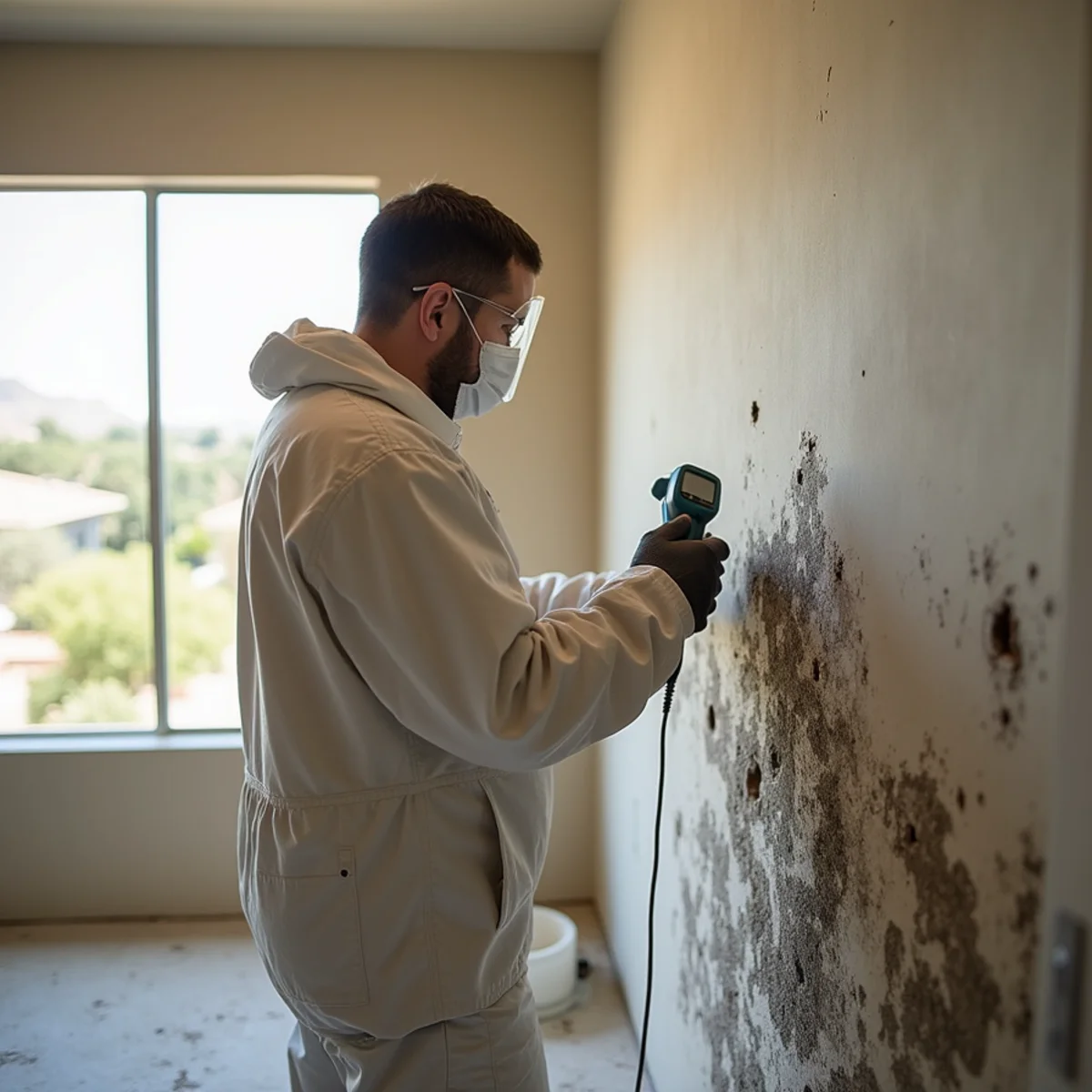
Surface mold on tile is cheap to kill. The price climbs the moment mold gets inside the structure, because reaching it means opening walls, lifting flooring, and containing the mess so spores do not ride the air into clean rooms. In Scottsdale and Tempe, we see this most after a slow leak — a supply line, a roof, an AC condensate line — that fed a hidden cavity for weeks before anyone noticed the smell.
Containment and testing: what you are paying for
The line items that surprise people are containment and testing, and both earn their keep. Containment — plastic barriers and machines that hold the work area under negative pressure — is what keeps a bedroom remediation from seeding mold through the whole house. Testing, usually by an independent hygienist, proves the job actually worked. If a company skips containment and testing to hit a low price, you are not saving money; you are buying a job you cannot verify and a spore cloud in your ductwork.
Why bleach fails on mold
The internet's favorite mold fix is a bottle of bleach, and on a porous surface it mostly fails. Here is why.
- Bleach is largely water, and water is what feeds mold. On drywall or wood, the bleach sits on top while the water soaks in and the roots drink.
- Mold on porous materials sends filaments deep; wiping the surface leaves the living network behind.
- The stain fades, so it looks solved — then it returns, and you have lost the weeks that let it spread further.
- Real remediation removes the moldy material, treats what remains, and dries the source so it cannot regrow.
Mold, water damage, and your timeline
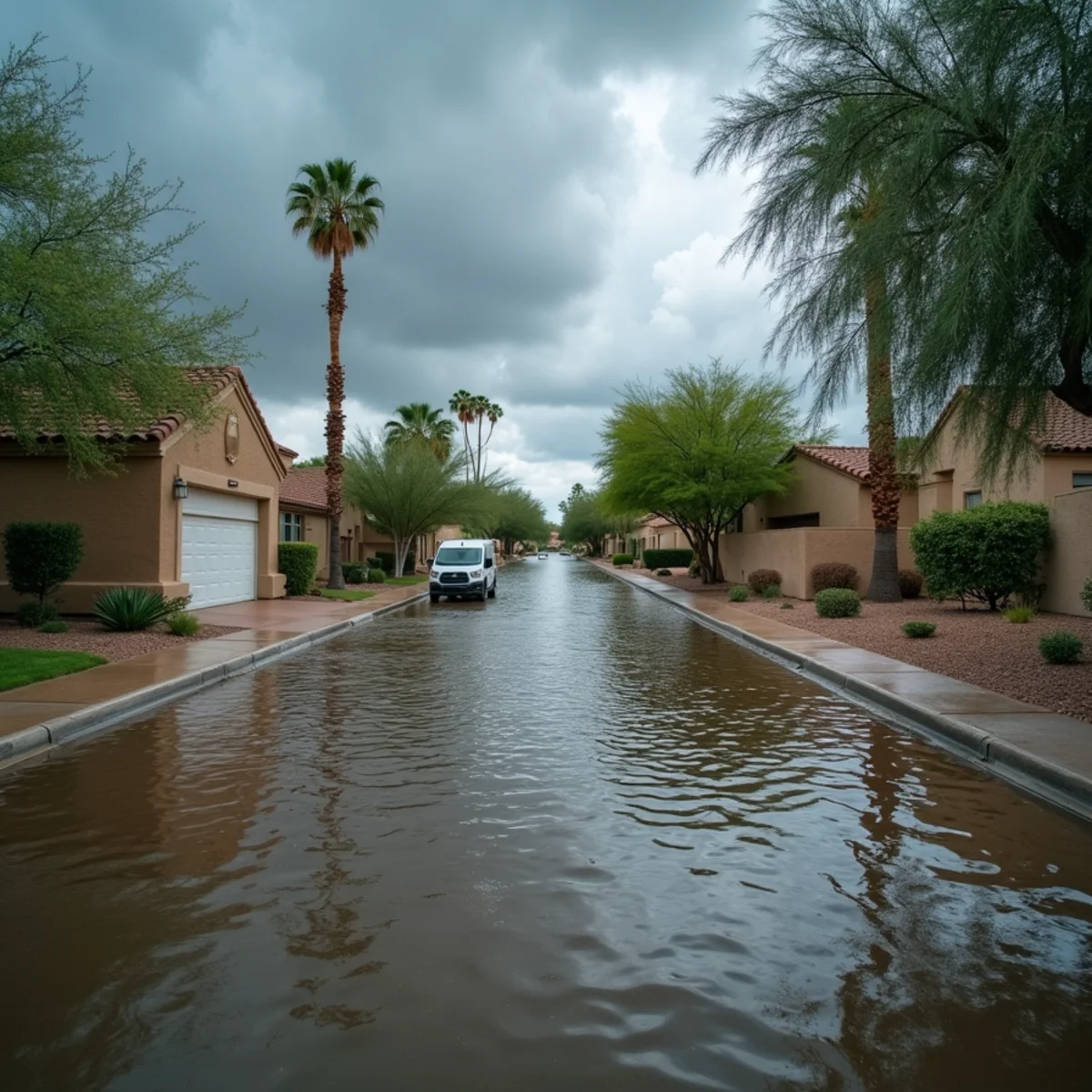
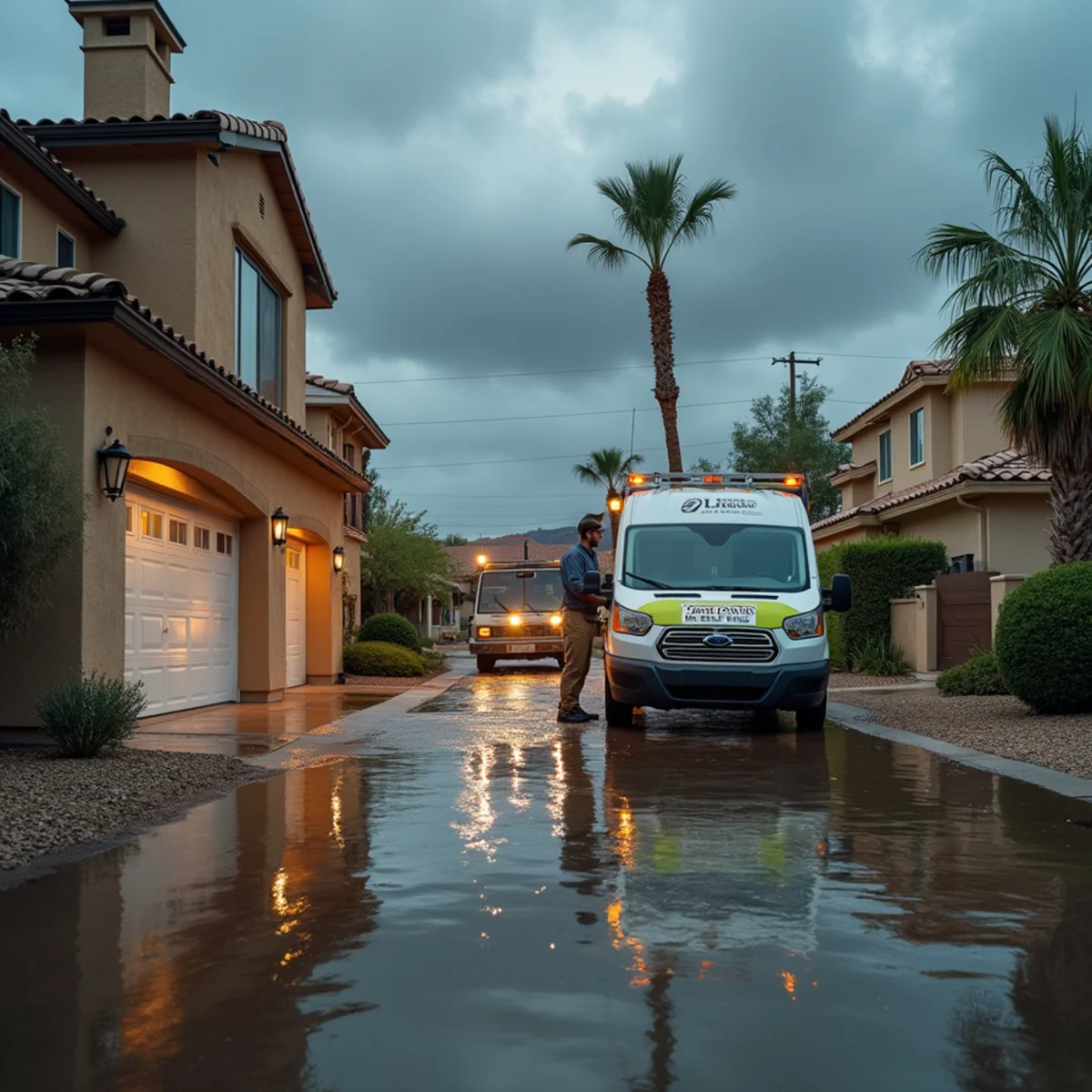
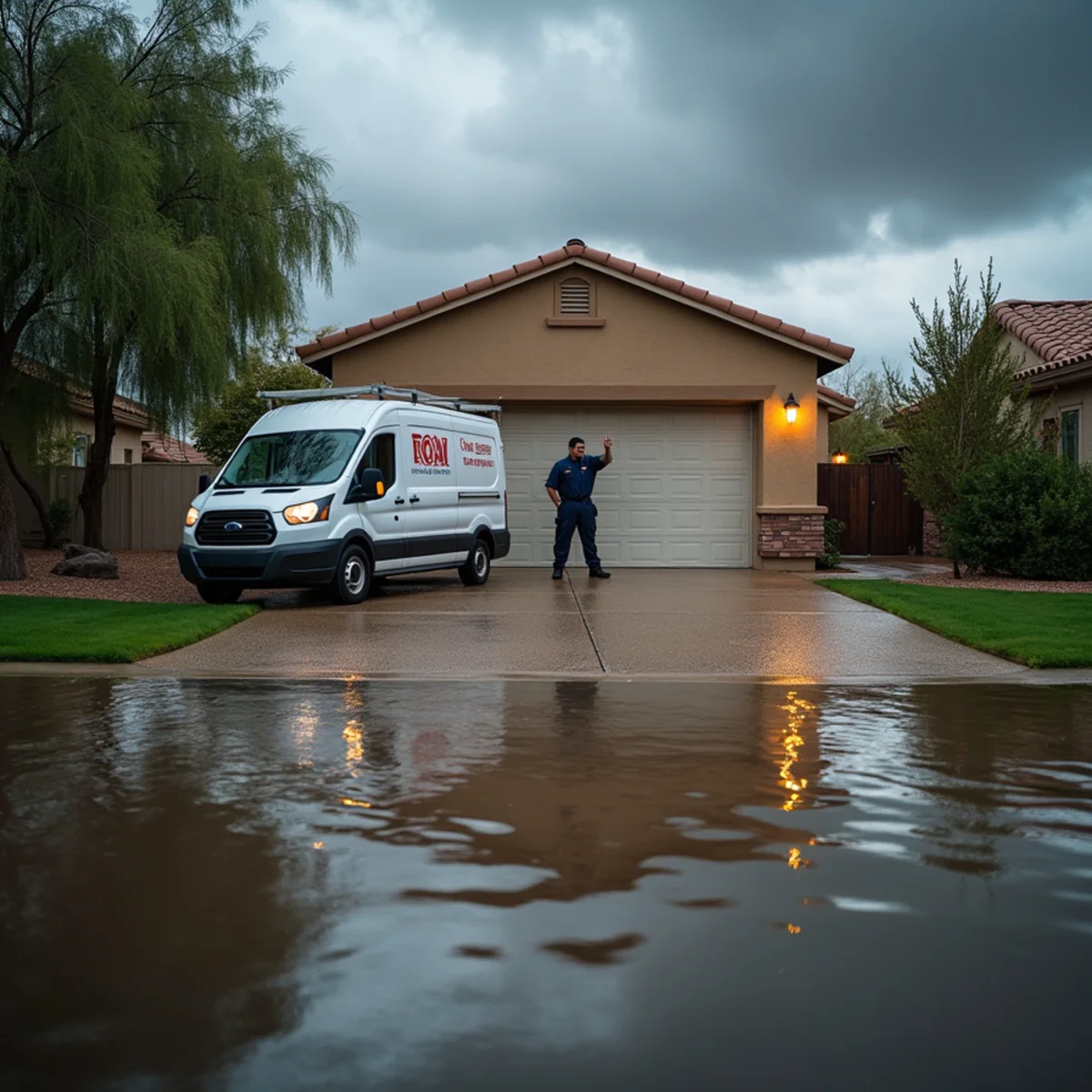
Most of the mold we treat is not a mystery invasion — it is the aftermath of water that was not dried properly. In our heat, mold can begin within 24 to 48 hours of materials staying wet, which is why fast, complete drying after any leak is the cheapest mold prevention there is. When mold shows up after a leak, our mold after water damage service handles both halves: the mold and the moisture that caused it.
Signs the mold is bigger than it looks
The visible patch is often the smallest part of the problem. A few signs the mold has spread past what you can see:
- A musty smell that lingers even when nothing looks wet.
- Warping, bubbling, or discolored drywall and paint.
- Recurring stains that come back after you clean them.
- Allergy-like symptoms that ease when you leave the house.
When those signs show up, a surface estimate will understate the job. This is exactly where testing earns its cost, because it maps how far the mold reached before anyone starts pricing the work — and it keeps you from paying twice when a wipe-down misses the hidden half.
Getting an honest mold estimate
Ask for an itemized scope, ask whether containment and testing are included, and be suspicious of any quote that promises to solve hidden mold with a quick wipe. We cover mold work across the East Valley, including greater Scottsdale, where the older ranch homes and flat roofs give mold plenty of ways in. For how fast it can take hold in our climate, read our guide on how fast mold grows in Arizona heat, then call (866) 688-0301 for a real inspection.
Frequently Asked Questions
It ranges widely with the size and location of the mold — from a few hundred dollars for a small contained patch to several thousand for a whole-room or in-wall problem, and higher for severe structural cases.
Usually because the jobs are not the same. A quote that includes containment, testing, demolition, and fixing the water source will be higher than a wipe-down that skips them — and skipping them means the mold comes back.
On porous materials like drywall and wood, bleach mostly fails. It is largely water, which feeds mold, and it does not reach the roots. The stain fades but the mold returns. Real remediation removes the material and dries the source.
Sometimes — if the mold resulted from a covered, sudden water loss and you acted promptly, it may be covered. Mold from a long-neglected leak is usually excluded, and policies often cap mold coverage, so check your specific limits.
Need Help With This in Person?
Our local crew handles it 24/7. Explore the related services and areas below, or just call (866) 688-0301.