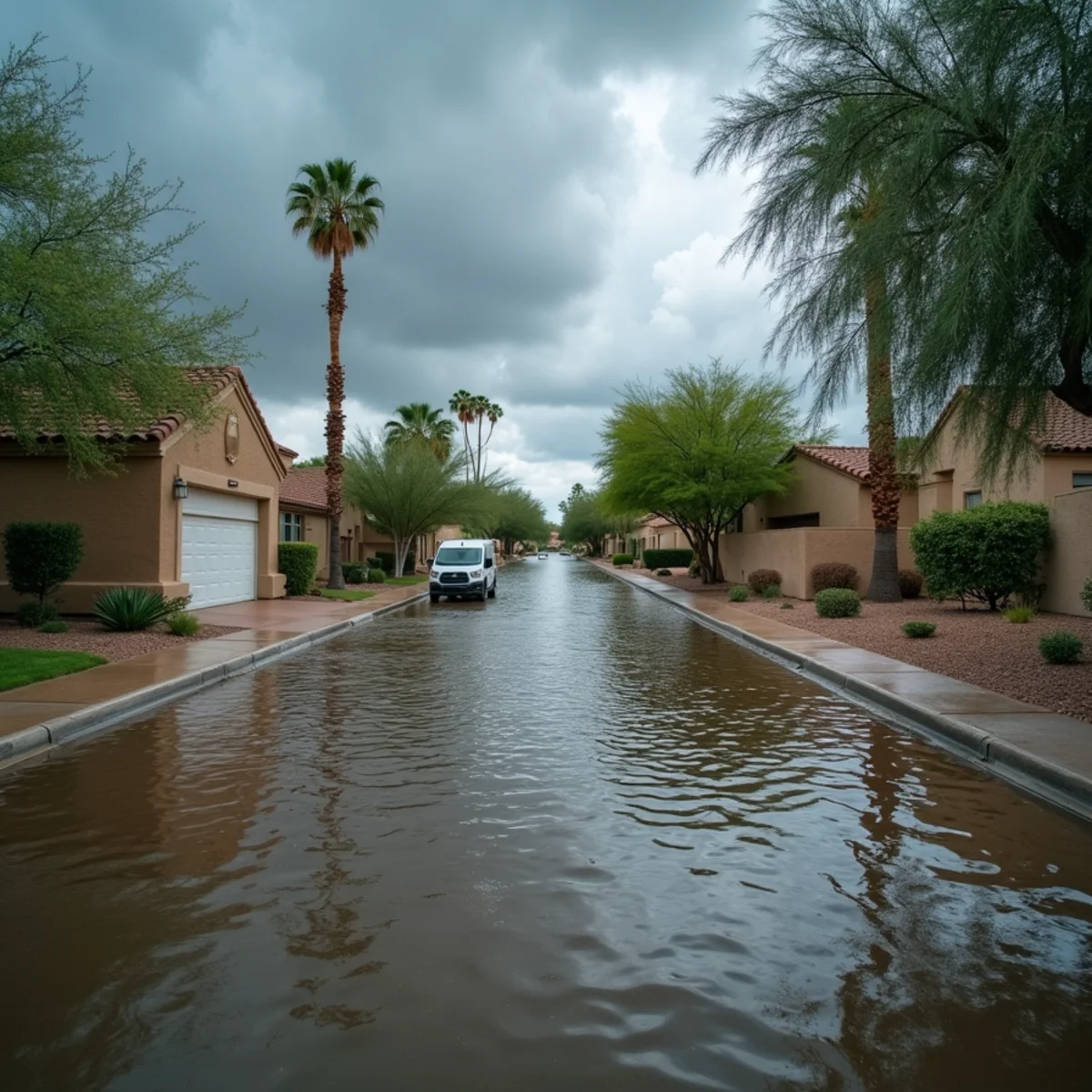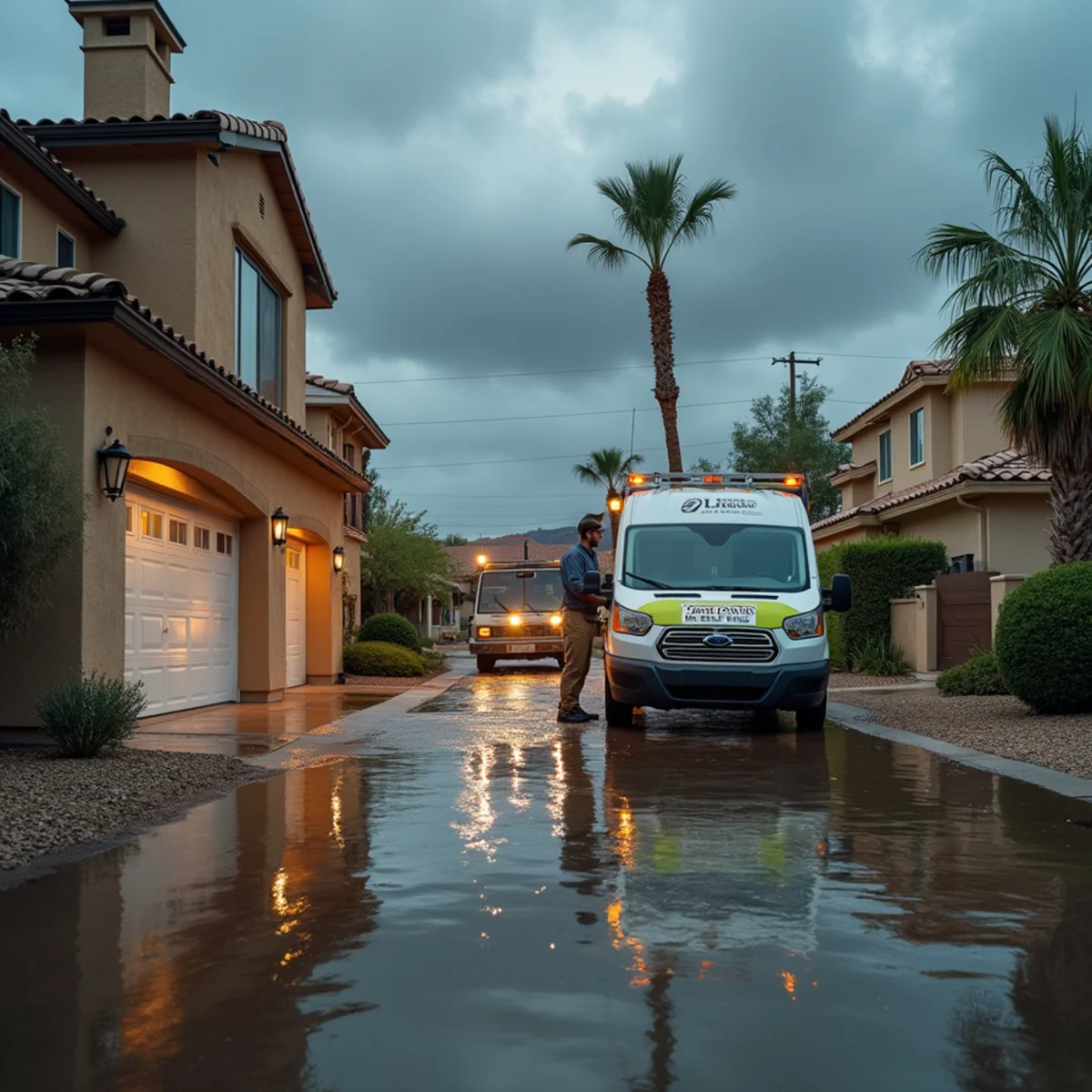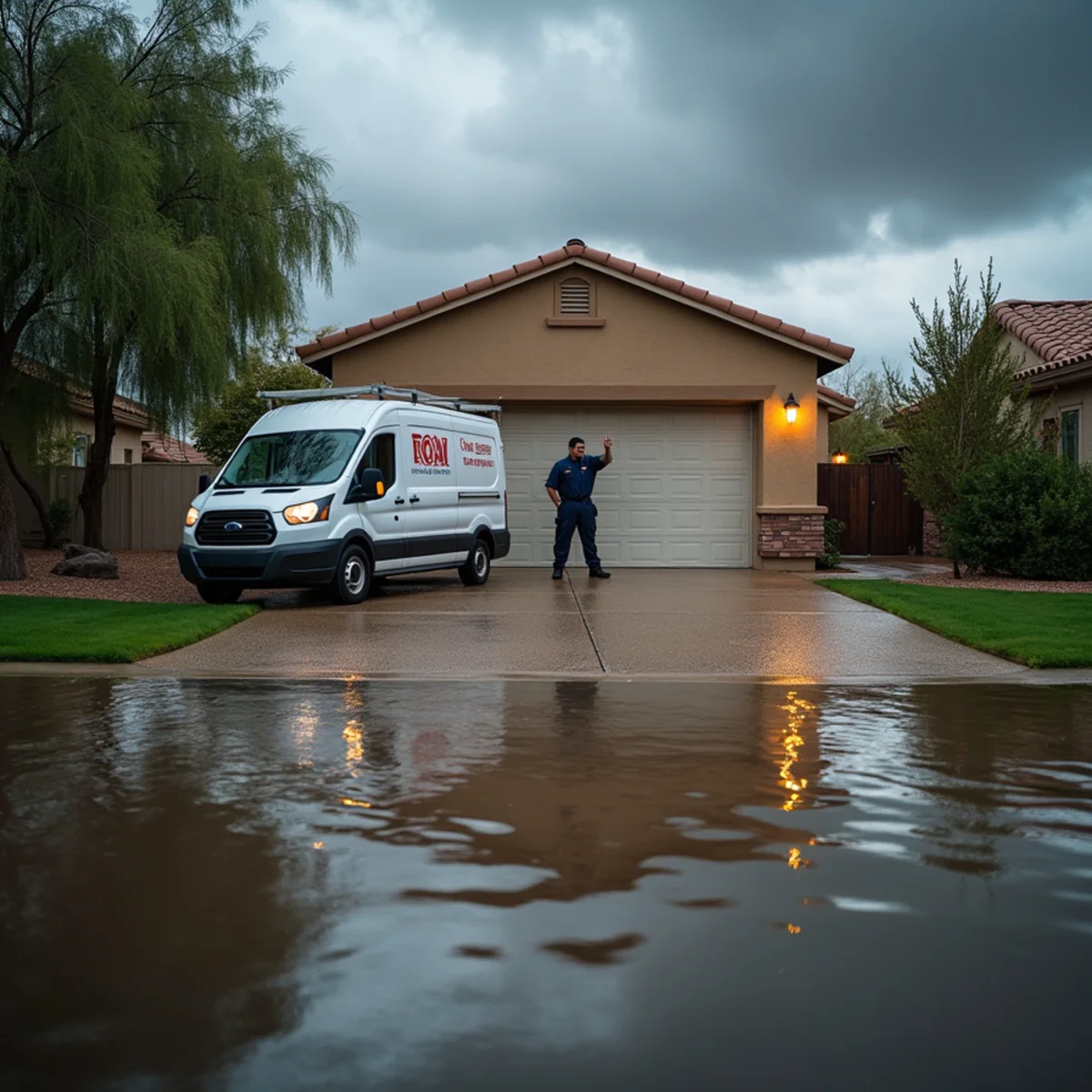
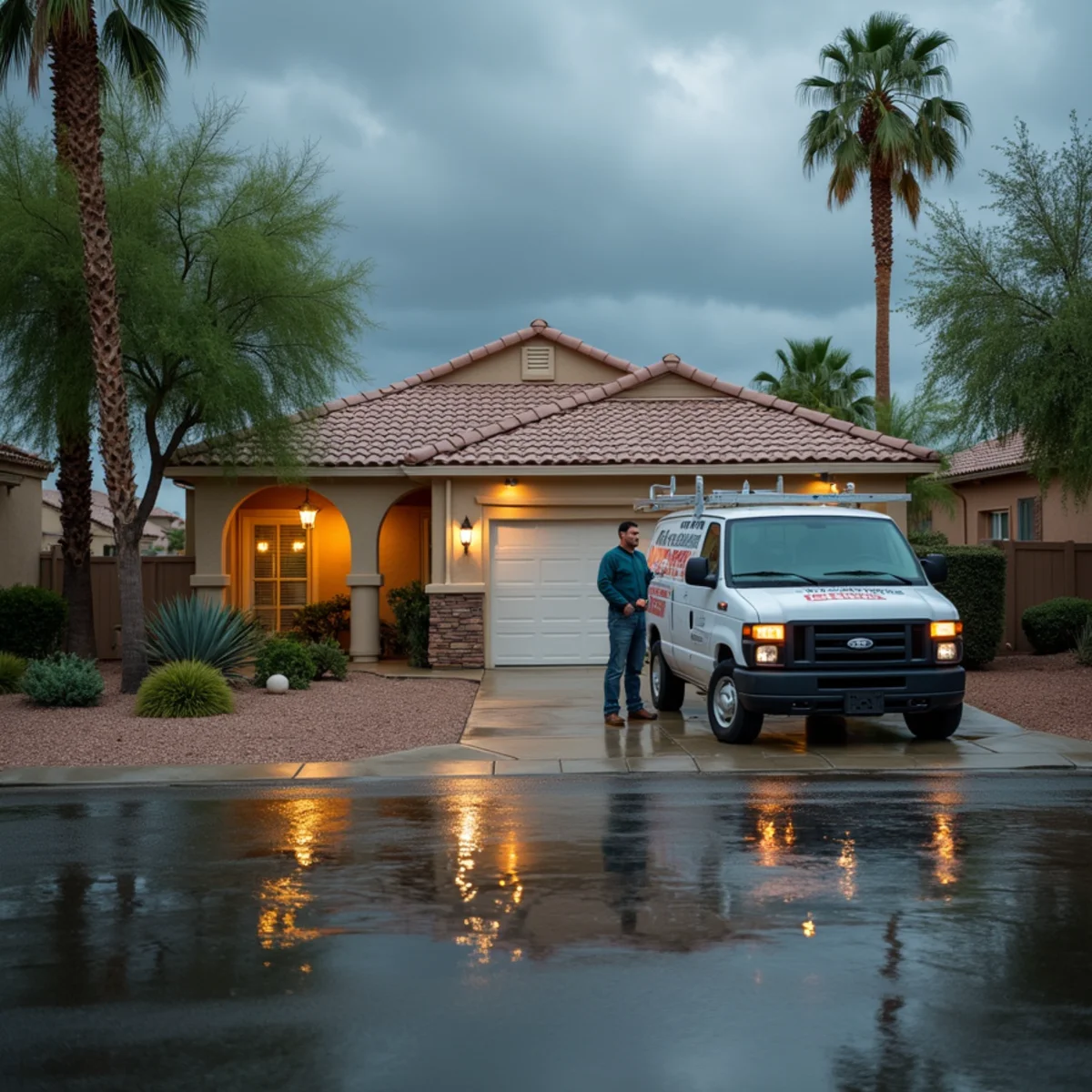
The upstairs unit flooded, your ceiling is dripping onto your bed, and your laptop is soaked. You are a renter near ASU, and the first thing out of everyone's mouth is the same: not my problem, talk to the other guy. So who actually pays — you, your roommate, the landlord, or somebody's insurance?
This trips up students and landlords alike every move-in season. The answer is not about who you blame. It is about a clean line between the building and everything inside it.
The core rule: building vs. contents
Almost every rental water-damage question sorts into two buckets. Get the buckets right and the rest follows.
So when a pipe in the wall bursts, the landlord fixes the wall and the drywall. Your ruined belongings are on you — unless a renters policy steps in.
Where renters insurance saves the day
A renters policy is cheap, often ten to twenty dollars a month, and it is the single best move a student tenant can make. It typically covers your personal property against sudden water damage, and — this is the part people miss — it can cover temporary housing if the unit becomes unlivable while it dries. Without it, a flood you did not cause can still cost you a semester's worth of belongings.
- Personal property — your furniture, tech, and clothes, up to your policy limit.
- Loss of use — a hotel or short-term rental if the unit is uninhabitable during repairs.
- Liability — if you caused water damage to the unit or a neighbor's, this can help.
When the tenant is actually on the hook
The building-vs-contents line bends when negligence enters. If the damage came from something you did or ignored, the landlord — and their insurer — can push the cost back to you.
- You left a window open during a monsoon storm and the carpet flooded.
- You overflowed a tub or let a sink run.
- You reported nothing when a small leak started, and it grew into a big one.
- Your waterbed, aquarium, or appliance failed.
This is where your liability coverage matters, and where documentation protects you. If the leak was the building's fault and you reported it promptly, keep the proof.
Arizona landlord-tenant basics
Arizona's Residential Landlord and Tenant Act sets the ground rules, and a few points matter the moment water hits:
- Landlords must keep the unit fit and habitable, including working plumbing.
- Tenants must report problems promptly and not add to the damage.
- If a major failure makes the unit unlivable, tenants have rights around repairs and, in some cases, rent — put every request in writing.
- Neither side can simply ignore the other; the law expects prompt, documented action.
None of this is legal advice — for a specific dispute, talk to a tenant-rights resource. But the pattern holds: the landlord owns the building, you own your belongings, and whoever was negligent tends to pay for what they caused.
The moment water appears: what to do first
Whatever the eventual bill, the first hour is the same for every renter. Move fast and put everything in writing.
- Notify your landlord or property manager immediately, in writing — a text or email creates a timestamp you can prove later.
- Stop the source if you safely can, or report it so someone with access to the unit can.
- Move your belongings out of the water and up off the wet floor before they soak through.
- Photograph and video everything before you clean or throw anything away.
- Open your own renters claim for your damaged property; do not wait on the landlord's insurer.
Roommates trip on this too. Each person's belongings are covered by that person's own renters policy, not a roommate's, so everyone on the lease should carry their own. A shared apartment does not mean shared coverage.
What about the security deposit?
If the water damage was not your fault, it cannot be charged against your deposit — normal building failures are the landlord's cost, not yours. If the negligence was yours, the deposit and your liability coverage may come into play. Either way, your timestamped photos are what settle the argument at move-out, which is one more reason to document the day it happens.
Get the water out fast — it protects everyone
Here is the part both sides agree on: the water has to come out now. Mold can start within 24 to 48 hours in our heat, and a slow response turns a repairable unit into a gutted one. Property managers around University Heights and the ASU rental corridor call us because a fast, documented dry-out limits the loss and the finger-pointing. We handle ASU rental water damage and after-hours apartment water damage emergencies across Tempe, and we log everything for the claim.
If you are a renter staring at a soaked apartment right now, read our flooded ASU apartment renter's guide for the first steps, then call (866) 688-0301. Get it documented, get it dried, and let the building-vs-contents line sort out the bill.
Frequently Asked Questions
The landlord repairs the building — walls, ceilings, flooring, plumbing. You are responsible for your own belongings, which are only protected if you carry renters insurance. Whoever was negligent typically pays for the damage they caused.
It is one of the best-value protections you can buy, often ten to twenty dollars a month. It covers your personal property against sudden water damage and can pay for temporary housing if the unit becomes unlivable.
The building repairs are the landlord's responsibility. Your damaged belongings are covered by your own renters policy, not the landlord's. Document everything and file with your insurer.
Under Arizona's Residential Landlord and Tenant Act, landlords must keep the unit habitable, including working plumbing, and respond to major failures. Tenants must report problems promptly and avoid adding to the damage. Put all requests in writing.
Need Help With This in Person?
Our local crew handles it 24/7. Explore the related services and areas below, or just call (866) 688-0301.